
Planting Calendar
Vegetable Planting Calendar by Season
Use this planting calendar to find the best months to sow seeds, transplant seedlings, and harvest vegetables throughout the year. This guide helps beginners plan their garden season by season.
Getting your timing right is one of the most important parts of vegetable gardening. Plant too early and a late frost can wipe out your seedlings overnight. Plant too late and your vegetables run out of growing time before the season ends. A vegetable planting calendar takes all that stress away by telling you exactly when to plant each crop based on the time of year.
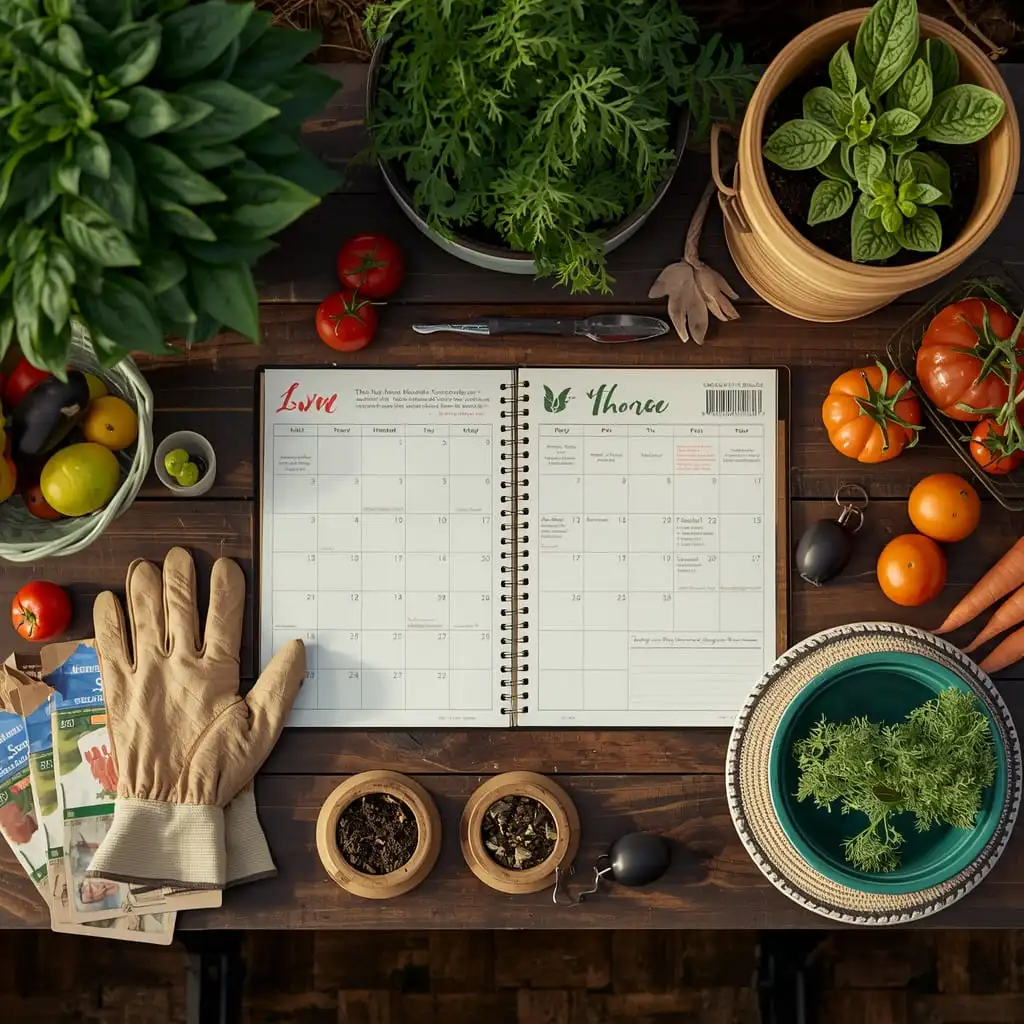
Why Seasonal Planting Makes a Big Difference
Every vegetable has a preferred growing season. Some love the cool air of spring and fall. Others need the full heat of summer to produce well. When you plant in the right season, your vegetables grow faster, stay healthier, and produce more food with less effort on your part.
Think of it this way. A tomato planted in warm summer soil will take off and grow strong. That same tomato planted in cold spring soil will sit there struggling for weeks. Getting the season right gives your plants the best possible start.
How to Use This Planting Calendar
This calendar is broken into four seasons. Each section tells you which vegetables grow best in that season, when to start seeds indoors, when to transplant outside, and when to expect your harvest.
You do not need any gardening experience to follow it. Just find your current season, pick the vegetables you want to grow, and follow the simple steps. It really is that straightforward. To accurately time your garden based on local climate patterns, you can refer to these official guidelines on plant hardiness and frost dates provided by the USDA Agricultural Research Service.
Keep in mind that planting dates can shift slightly depending on where you live in the USA. Gardeners in Texas and Florida have longer warm seasons. Gardeners in the Midwest and Northeast deal with shorter summers and harder frosts. Use your local last frost date as your main guide and adjust the calendar by a week or two if needed.
Planting by Season Saves Time and Money
When you follow a seasonal planting calendar, you stop wasting money on plants that are not suited to the current weather. You buy the right seeds at the right time. You prepare your beds once and fill them with crops that will actually thrive.
You also spread your workload across the whole year instead of trying to do everything at once. Spring has its crops. Summer has its crops. Fall has its own set of cool-weather favorites. Each season brings something new to grow and something delicious to harvest.
A Garden That Produces All Year Long
One of the best things about following a vegetable planting calendar is that your garden never has to sit empty. While you are harvesting summer tomatoes, you can already be starting your fall broccoli and kale. While winter crops are wrapping up, spring lettuce and peas are ready to go in.
With the right plan, a home garden in most parts of the USA can produce fresh food for eight to ten months of the year. This calendar will show you exactly how to make that happen, one season at a time.
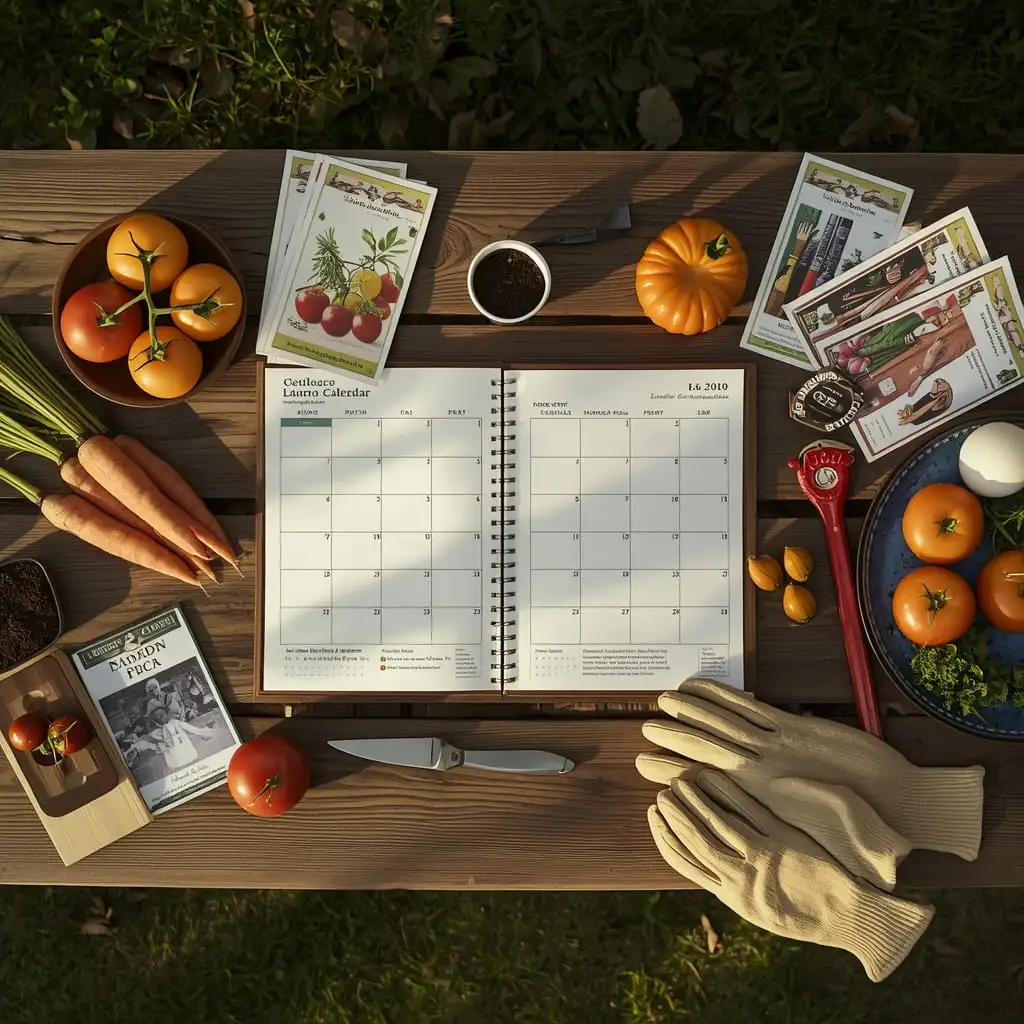
❄️ Winter Planning
- Start seeds indoors
- Plan garden layout
- Order seeds