
Free Garden Calculators
Stop the guesswork and start growing with precision using our free garden calculators. Whether you are measuring mulch, spacing out new seedlings, or calculating fertilizer needs, our tools provide instant, accurate results to help your plants thrive. Maximize your harvest and save money on garden supplies by getting the math right the first time.

How Our Garden Calculators Help You
Our free garden calculators are designed for home gardeners, backyard growers, and small scale farmers who want accurate planting and harvest planning. Whether you are calculating seed quantity, plant spacing, fertilizer, or water usage, these tools help you make accurate decisions for better garden results.
Gardening is fun, but let us be honest—sometimes it comes with a lot of guessing.
When you guess, the results can be mixed. Sometimes it works. Sometimes it doesn’t. And when it doesn’t, it can cost you time, money, and motivation.
That’s why we created this page: a simple collection of free garden calculators that helps you plan the important details in minutes. These tools are made for normal gardeners. beginners, home growers, small backyard gardeners, raised bed lovers, container gardeners, and anyone who wants clearer answers. Whether you’re growing tomatoes, peppers, cucumbers, onions, garlic, herbs, flowers, or anything else, these calculators help you make better decisions from the start. So you can grow healthier plants and enjoy a better harvest.
Our Free Garden Calculators
Open the below tools you need right now:
Benefits of Garden Calculators
Some gardeners think calculators are only for “serious” people. But calculators are most helpful for beginners, because beginners do not have years of experience to rely on. A garden calculator does one simple thing: it turns confusion into clear numbers.
Save Your Money
Soil, compost, mulch, fertilizer, and seeds all cost money. When you buy too much, you waste money. When you buy too little, you must run back to the store and lose time. Calculators help you buy the right amount the first time.
Avoid Common Mistakes
Many new gardeners make the same mistakes:
These tools reduce those mistakes.
Your Plants Grow Better
When spacing is right, plants get better airflow and sunlight. When watering is correct, roots grow stronger. When fertilizer is used properly, plants stay balanced and productive.
Healthy plants = more harvest and fewer problems.
You Feel More Confident
Gardening should not feel stressful. Planning with calculators makes you feel more sure of what you’re doing. Instead of guessing, you know you’re starting with a smarter plan.
How Our Garden Calculators Help You
These calculators are designed to be simple, fast, and practical. They help you:
You can use them for:
Seed Calculator
The Seed Calculator is one of the most useful tools for gardeners, because seeds are where everything starts.
The Seed Calculator helps you plan your seed needs based on your garden area and spacing.
What the Seed Calculator Does
This tool helps you estimate:
This is especially helpful for:
Why Seed Planning Is Important
Seeds do not all germinate. Some fail naturally. Some are eaten by insects. Some rot in wet soil. Some are weak or old. That is normal. A smart seed plan includes a buffer, so you still end up with the number of plants you want.
How to Use the Seed Calculator
You usually need:
Then the calculator gives you a number like:
Simple Example (Easy to Understand)
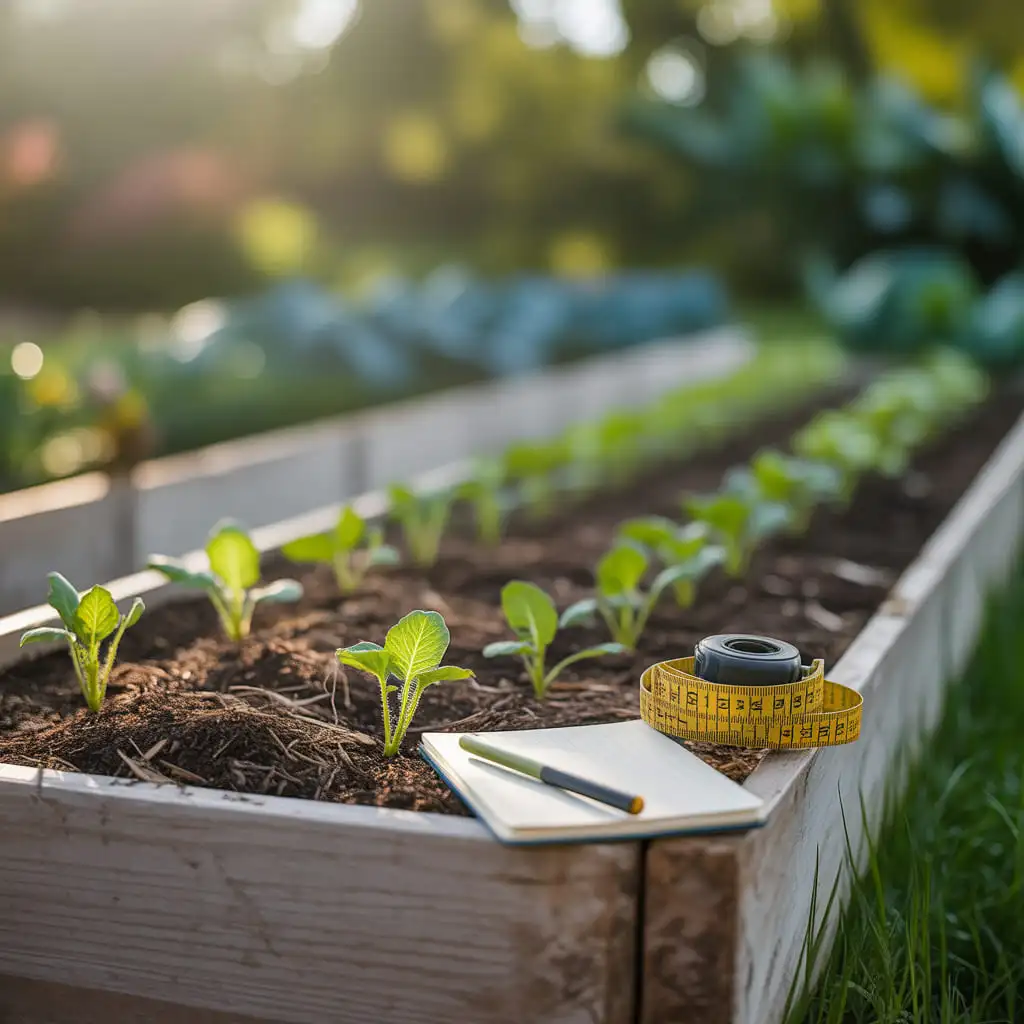
Let’s say you have a raised bed that is 4 feet by 8 feet.
You want to grow lettuce, and your spacing is 10 inches.
Instead of guessing, you enter the bed size and spacing into the calculator. The calculator estimates the number of lettuce plants you can fit and how many seeds you need.
Now you can buy the correct amount of seed and avoid wasting space.
Helpful Seed Tips
Ready to plan your seeds?
Open the Seed Calculator
Plant Spacing Calculator
Plant spacing is one of the biggest reasons gardens succeed or fail. Plant spacing calculator also called Plant calculator.
If plants are too close, they compete for:
Overcrowding causes weak plants and more disease, especially powdery mildew, fungus, and pests.
If plants are too far apart, your soil is exposed and weeds grow easily, and you may harvest less than you could.
The Plant Spacing Calculator helps you find the sweet spot.
What the Plant Spacing Calculator Does
This tool helps you calculate:
It’s useful for almost everything, but especially:
Why Spacing Matters So Much
Good spacing helps your plants:
Spacing also makes it easier for you to:
How to Use the Plant Spacing Calculator
You enter:
Then it shows:
Simple Example
You have a 4×4 bed and you want to grow peppers. Pepper spacing is often around 18 inches. Instead of guessing, enter the bed size and spacing into the calculator. You get a clear number of pepper plants that fit comfortably.
Now you can plan:
Beginner Tips for Spacing Success
Ready to plan plant spacing?
Plant Spacing Calculator
Fertilizer Calculator
Fertilizer is helpful, but it’s also one of the easiest ways to harm plants if used incorrectly.
Many beginners think:
“If I add more fertilizer, my plants will grow faster.”
But too much fertilizer can:
The Fertilizer Calculator helps you apply the right amount safely.
What the Fertilizer Calculator Does
It estimates:
This is useful for:
Why Fertilizer Planning Matters
How to Use the Fertilizer Calculator
You enter:
Fertilizer Basics in Simple English
If you see N-P-K on a bag, that means:
Organic fertilizers usually act slower but improve soil.
Beginner Friendly Fertilizer Tips
Ready to calculate fertilizer?
Open the Fertilizer Calculator
Water Calculator FOR PLANTS
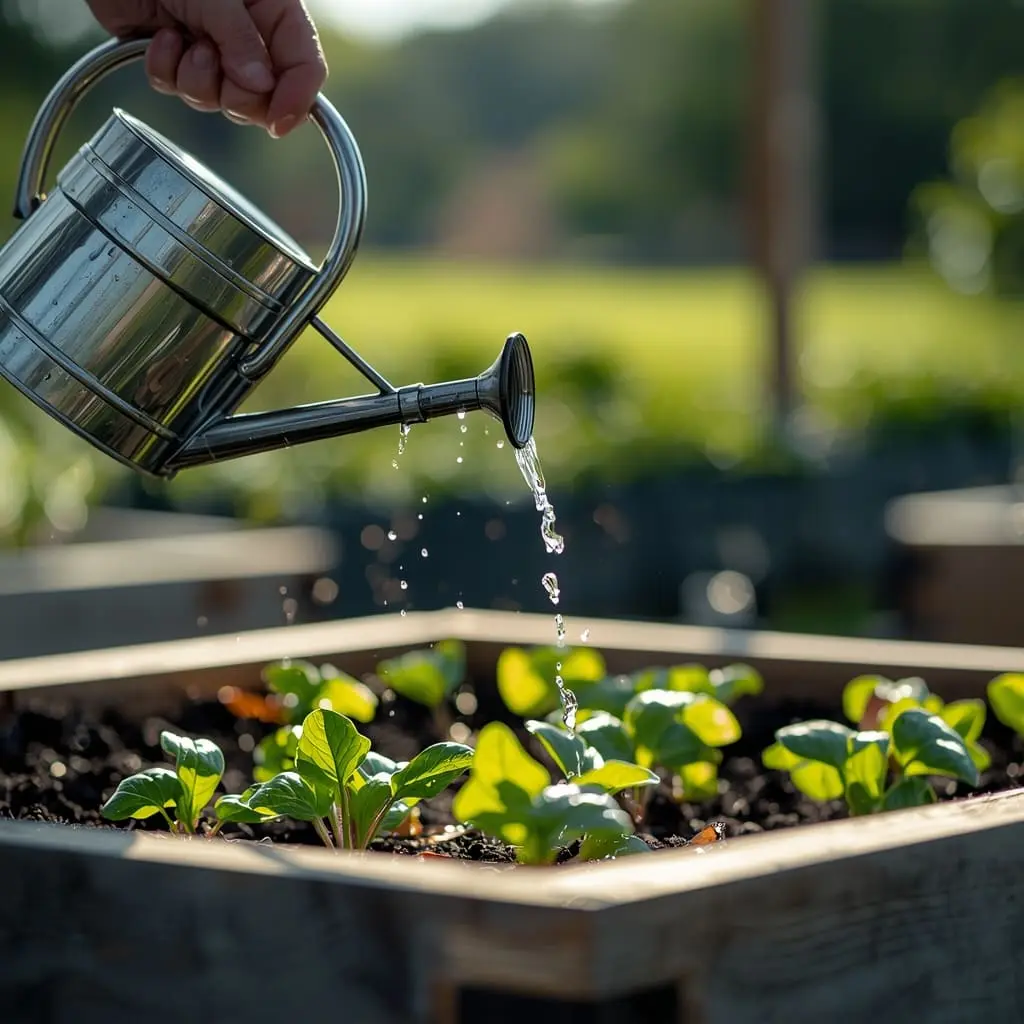
Watering is one of the most confusing parts of gardening.
Some people water every day because they worry. Others water once a week and hope it’s enough. But the truth is:
The Water Calculator gives you a strong starting point.
What the Water Calculator Does
This tool helps estimate
The Simple “1 Inch Per Week” Rule
Many gardeners use a basic rule, Most gardens need about 1 inch of water per week. But in hot weather, containers, sandy soil, and high sun areas, you may need more. In cool weather, shade, clay soil, and mulched beds, you may need less.
How to Use the Water Calculator
You enter:
Then it shows a water estimate.
Easy Watering Tips That Actually Work
Containers vs Garden Beds
Containers dry out faster, especially in sun and wind.
If you grow in pots, use the water calculator as a baseline, but expect to check moisture more often.
Ready to plan watering?
Open the Water Calculator
Harvest Yield Calculator
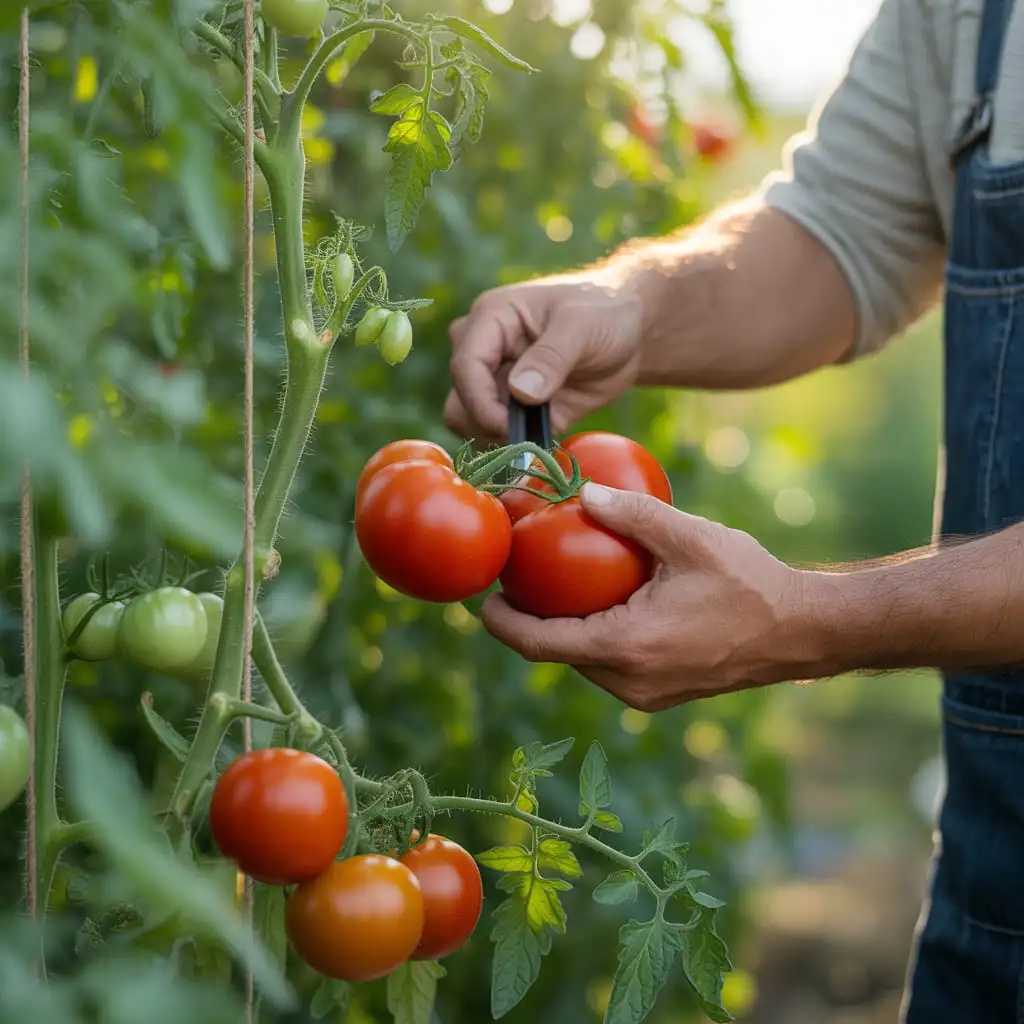
Many gardeners plant a few seeds and expect a huge harvest. Others plant too much and feel overwhelmed later. The truth is: harvest size depends on many things. That’s why a Harvest Yield Calculator is helpful. You can also use this calculator as Corn yield calculator. It gives you a realistic estimate, so you can plan:
What the Harvest Yield Calculator Does
It estimates:
This is especially helpful for:
Why Yield Planning Helps
Yield planning is not about being perfect. It’s about being realistic.
How to Use the Harvest Yield Calculator
You enter:
Tips for Better Harvest Results
Ready to estimate harvest?
Open the Harvest Yield Calculator
Mulch Calculator
Mulch is one of the best gardening tools, Also called Mulch calculator yards but many gardeners use it incorrectly. Some apply too little and weeds still grow. Some apply too much and plants struggle. The Mulch Calculator helps you calculate the right amount for your bed and depth.
What the Mulch Calculator Does
It estimates:
Why Mulch Is So Powerful
Mulch helps you:
Mulch is especially helpful in summer and in dry climates.
Best Mulch Depth for Most Gardens
A simple rule:
If mulch touches plant stems, it can cause rot. Always leave a small space around stems.
Types of Mulch
How to Use the Mulch Calculator
You enter:
Then it gives the amount you need.
Beginner Tips for Mulch Success
Ready to calculate mulch?
➡️ Open the Mulch Calculator: Mulch Calculator Link
A Simple “Start Here” Guide (Choose the Right Calculator Fast)
Not sure which calculator you need? Use this quick guide:
If you are starting a new garden bed:
Use: Plant Spacing, Seed, Mulch, Water
If you already have beds but want better growth:
Use: Fertilizer, Water, Mulch
If weeds are a big problem:
Use: Mulch Calculator (and increase depth slightly)
If you are planting for a big harvest:
Use: Plant Spacing + Harvest Yield
If you want to avoid wasting money at the store:
Use: Seed + Mulch + Fertilizer
Common Gardening Problems These Calculators Help Solve
“My plants look weak and small.”
Often caused by:
Start with:
Plant Spacing Calculator
Water Calculator
Fertilizer Calculator
I water all the time but plants still droop.
This can happen with:
Start with:
Water Calculator
Mulch Calculator
I planted too many seeds and it became messy.
This happens a lot with:
Start with:
Seed Calculator
Plant Spacing Calculator
I am getting less harvest than expected.
Possible reasons:
Tips to Get the Best Results From Any Calculator
Measure your garden correctly
Use a tape measure and write down your bed sizes. Even small mistakes can change results.
Stick to one unit system
If the calculator uses inches, use inches. If it uses feet, use feet.
Always add a small buffer
For mulch and seeds, it’s smart to add a little extra. For fertilizer, it’s smarter to start light and increase later if needed.
Use mulch as your “secret weapon”
Mulch improves watering efficiency, reduces weeds, and improves soil. It also makes gardening easier.
FAQs (Short, Clear, and Helpful)
Yes. All tools on this page are free to use. You can run them as many times as you like.
They are accurate estimates based on standard garden formulas. Real results can vary because of soil settling, bag sizes, and growing conditions. But these calculators give you a strong plan and reduce mistakes
Yes. These calculators are designed for beginners and home gardeners. You don’t need special knowledge—just basic measurements like length and width.
Yes. Raised beds and containers are included. Just measure the space and enter the numbers.
Most gardens do best with 2–3 inches of mulch. Use the mulch calculator to choose your depth and estimate how much you need.
A common starting point is 1 inch of water per week (rain + watering). Use the water calculator for your bed size, then adjust for your weather.
Not exactly. Compost improves soil and adds gentle nutrients over time. Fertilizer is stronger and targets nutrients directly. Many gardens use both: compost for soil health, and fertilizer in small amounts for extra feeding.
Harvest yield is always an estimate because weather and care affect results. But the harvest yield calculator gives a realistic range so you can plan better.
To calculate seed quantity, measure your garden area and use recommended planting density per crop. A seed calculator helps determine how many seeds you need based on spacing and total square footage or meters.
Fertilizer requirements depend on soil condition and plant type. Most vegetable gardens require balanced fertilizer measured per square foot. A fertilizer calculator estimates the correct amount based on area size.
Optimal plant spacing varies by crop. Proper spacing improves airflow, root development, and yield. A plant spacing calculator helps determine ideal row and plant distance.
Watering frequency depends on soil type, climate, and plant variety. A water calculator estimates the right watering amount based on weather conditions and garden size.
To calculate seed quantity, measure your garden area and use recommended planting density per crop. A seed calculator helps determine how many seeds you need based on spacing and total square footage or meters.
Fertilizer requirements depend on soil condition and plant type. Most vegetable gardens require balanced fertilizer measured per square foot. A fertilizer calculator estimates the correct amount based on area size.
Watering frequency depends on soil type, climate, and plant variety. A water calculator estimates the right watering amount based on weather conditions and garden size.
Final Thoughts: Plan Better, Grow Better
You don’t need a perfect garden to enjoy gardening. But a good plan makes everything easier. These free garden calculators are here to help you:
Use the calculator you need today, and come back whenever a new garden question pops into your head.