Cucumber Planting Guide for Beginners
Whether you are a seasoned gardener or a complete novice, mastering a Cucumber Planting Guide is the fastest way to turn a small patch of soil into a refreshing summer harvest. Cucumbers are among the most rewarding vegetables to grow at home because they thrive with relatively little maintenance as long as their basic needs for heat and hydration are met. By following a dedicated Cucumber Planting Guide, you can ensure your vines stay productive from the first heatwave of June through the cooling days of late August.
This Cucumber Planting Guide will walk you through everything from selecting the right variety—whether you want crunchy pickles or thin-skinned slicers—to the specific soil requirements that help these “heavy drinkers” flourish. If you are limited on space, don’t worry; a proper Cucumber Planting Guide often includes tips for vertical gardening, allowing you to grow massive yields on a simple trellis or fence.
Why Grow Cucumbers in Your Garden
The Benefits Are Hard to Ignore
Cucumbers are one of the most rewarding vegetables to grow at home. They taste so much better fresh off the vine than anything you’ll find wrapped in plastic at the supermarket. They’re refreshing, hydrating, and incredibly versatile — you can eat them raw, pickle them, toss them in salads, or blend them into drinks.
Another big bonus? Cucumber plants are productive. One healthy plant can give you cucumbers all through summer. You won’t be buying bags of cucumbers anymore.
Growing Cucumbers Is Great for Beginners
If you’re new to gardening, cucumbers are a smart choice to start with. They grow fast, so you get results quickly and don’t have to wait forever to see your work pay off. Most varieties go from seed to harvest in about 50 to 70 days.
They also don’t require a lot of experience or expensive equipment. Give them warm soil, plenty of sun, and regular water, and they’ll do most of the work themselves. This guide on how to grow cucumbers will walk you through every step, so there’s nothing to worry about.
When to Plant Cucumbers
Timing matters a lot with cucumbers. Get it right and they’ll thrive. Plant too early and cold soil will slow them down or kill them.
Climate and Temperature
Cucumbers are warm-weather plants. They love heat and really don’t like cold. The soil needs to be at least 60°F (16°C) before you plant, and ideally closer to 70°F (21°C). Air temperatures should stay consistently above 50°F (10°C) at night.
In most parts of the US, the best time to plant cucumbers outdoors is late spring — usually from late April through June, depending on where you live. If you’re in a warmer climate like the South or Southwest, you can plant earlier. If you’re in a cooler northern region, wait until you’re confident the last frost has passed.
A good rule of thumb: plant cucumbers about two weeks after your area’s last expected frost date.
Indoor vs Outdoor Planting
You have two options for getting started — planting seeds directly outside, or starting seeds indoors a few weeks early.
Starting indoors gives you a head start on the growing season. Plant seeds in small pots or seed trays about 3 to 4 weeks before you plan to move them outside. Use a warm spot in your home (cucumbers germinate best around 70–85°F). Once the seedlings are a few inches tall and the weather is warm enough, you can transplant them to your garden or containers.
Direct sowing outdoors is simpler and works perfectly well once the soil has warmed up. Many gardeners prefer this method because cucumber seedlings don’t always love being disturbed during transplanting. Either way works — it’s really about what suits your schedule and climate.
Choosing the Right Cucumber Variety
Walk into any garden center and you’ll see a surprising number of cucumber varieties. Don’t let that overwhelm you. Here’s what you need to know.
Bush vs Vining Cucumbers
Cucumber plants come in two main growth habits.
Vining cucumbers spread out along the ground or climb upward if you give them a trellis. They tend to produce more fruit over a longer season, but they take up more space. These are great if you have room to let them spread or a fence they can climb.
Bush cucumbers are more compact. They don’t spread as much and work really well in small gardens, raised beds, or even large containers. They’re especially good for beginners because they’re easier to manage.
If you’re short on space or just getting started, go with a bush variety.
Best Varieties for Beginners
Here are some tried-and-true varieties that are easy to grow and reliable:
- Bush Pickle — compact, great for pickling, perfect for containers
- Straight Eight — a classic slicing cucumber, easy to grow, produces lots of fruit
- Spacemaster — compact vines, great for small spaces
- Marketmore 76 — very popular, disease resistant, great flavor
- Muncher — thin skin, burpless, mild flavor, beginner-friendly
For your first time growing cucumbers, any of these will serve you well. Just pick one that suits how you plan to eat them — slicing for fresh eating, or pickling varieties if you want to make pickles.
Preparing Soil for Cucumbers
Good soil makes everything easier. Cucumbers aren’t too fussy, but they do have preferences.
Ideal Soil Type
The best soil for cucumbers is loose, well-draining, and rich in organic matter. Cucumbers don’t like sitting in waterlogged soil — their roots need oxygen and will rot if they stay wet for too long.
Aim for a soil pH between 6.0 and 7.0, which is slightly acidic to neutral. Most garden soils fall in this range naturally, so you probably don’t need to worry too much about testing unless your plants keep struggling.
If your soil is heavy clay, it drains poorly and needs improvement. Mix in compost or aged manure to loosen it up. If you have sandy soil, add compost to help it retain moisture. Compost is basically a fix for everything when it comes to soil.
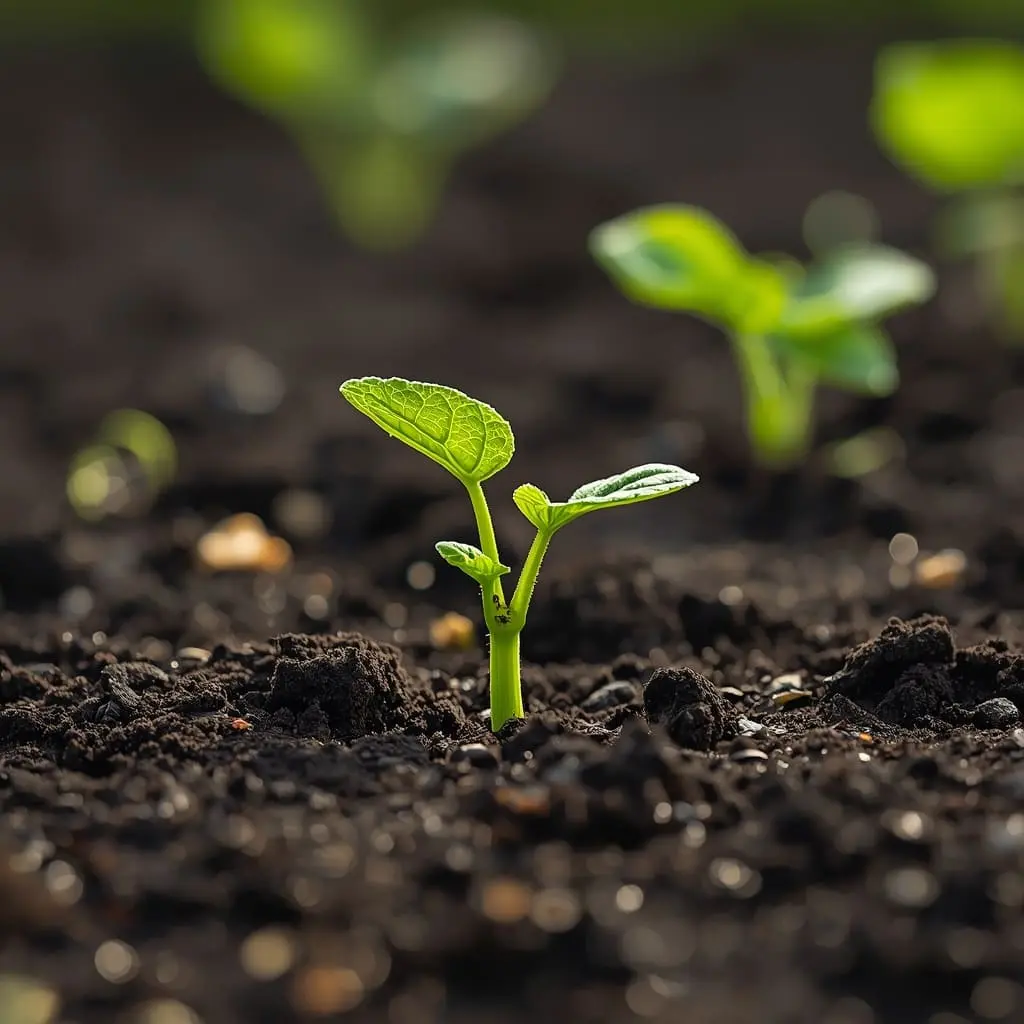
Adding Compost and Fertilizer
Before planting, work a good layer of compost into the top 6 to 8 inches of soil. This improves both drainage and moisture retention, and it feeds your plants at the same time.
You can also mix in a balanced granular fertilizer (something like a 10-10-10 formula) at planting time to give your cucumbers a strong start. Once the plants start flowering, switch to a fertilizer that’s lower in nitrogen and higher in phosphorus and potassium — this supports fruit development rather than leaf growth.
Don’t over-fertilize. It’s a common mistake and usually results in lots of lush green leaves but very few cucumbers.
How to Plant Cucumber Seeds (Step-by-Step)
Here’s exactly how to plant cucumber seeds in your garden. Follow these steps and you’ll be off to a great start.
Step 1: Wait for the right temperature. Make sure the soil is at least 60°F. If you plant in cold soil, seeds will just sit there or rot. You can use a simple soil thermometer to check.
Step 2: Choose your spot. Pick a spot that gets at least 6 to 8 hours of direct sunlight per day. Cucumbers need full sun to produce well.
Step 3: Prepare the soil. Loosen the soil with a fork or trowel to about 8 inches deep. Mix in compost and any fertilizer.
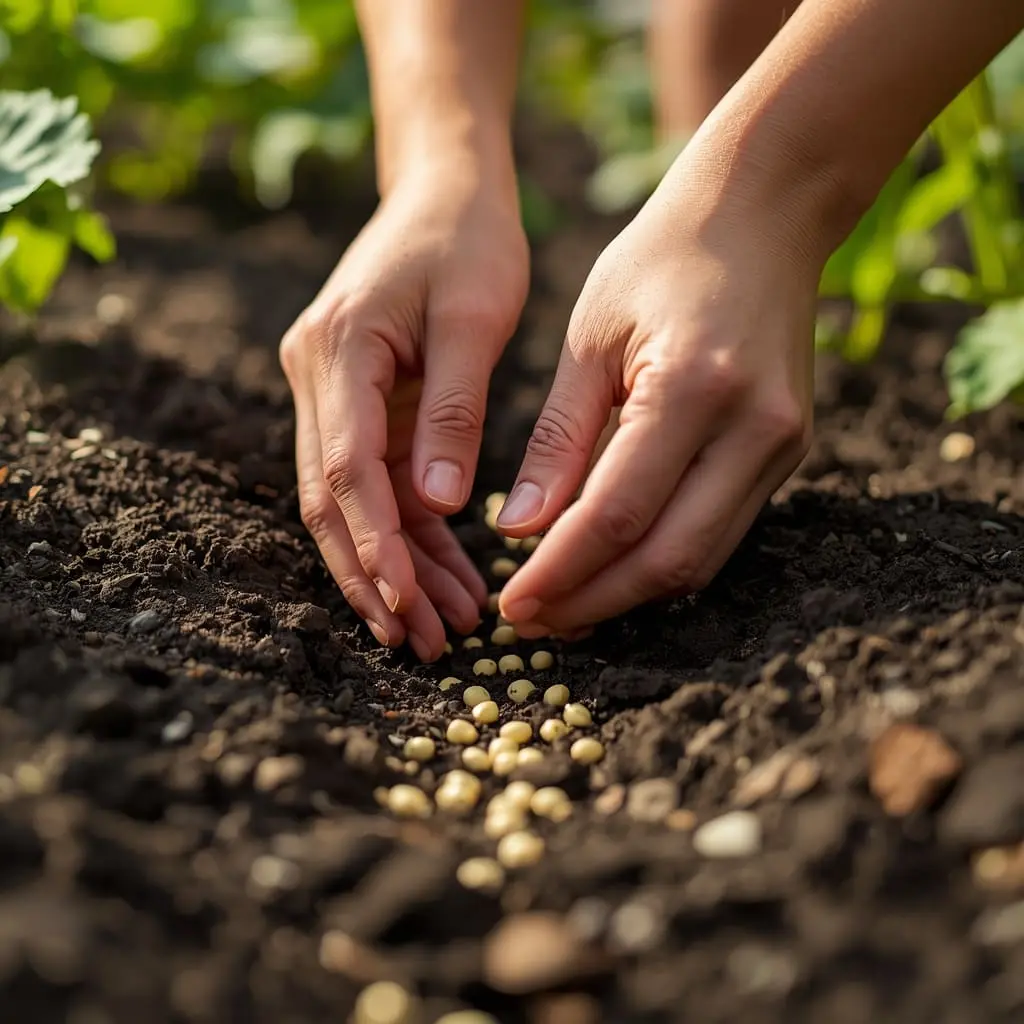
Step 4: Plant the seeds. Plant seeds about 1 inch deep. Space them about 6 inches apart if you’re planting in a row. If you’re planting in hills (small mounds), place 3 to 4 seeds per hill and space hills about 3 feet apart. Rows should be about 3 feet apart from each other.
Step 5: Water gently. Water the soil after planting. Keep it moist but not soaked. Seeds usually sprout in 7 to 10 days.
Step 6: Thin the seedlings. Once seedlings appear and have their first set of true leaves, thin them out so the strongest plants are about 12 inches apart. Thin by snipping the weaker ones at the soil level — don’t pull them out, as this can disturb the roots of nearby plants.
Step 7: Mulch around the base. Add a 2-inch layer of straw or wood chip mulch around your plants. This keeps the soil moist, regulates temperature, and suppresses weeds.
Watering and Sunlight Needs
Watering Cucumbers the Right Way
Consistent watering is one of the most important parts of cucumber plant care. Cucumbers are mostly water themselves, so it makes sense that they need a steady supply.
Water your cucumber plants deeply and regularly. They need about 1 inch of water per week — more during hot, dry stretches. It’s much better to water deeply twice a week than to give them a light splash every day. Deep watering encourages roots to grow down into the soil, which makes plants stronger and more drought-tolerant.
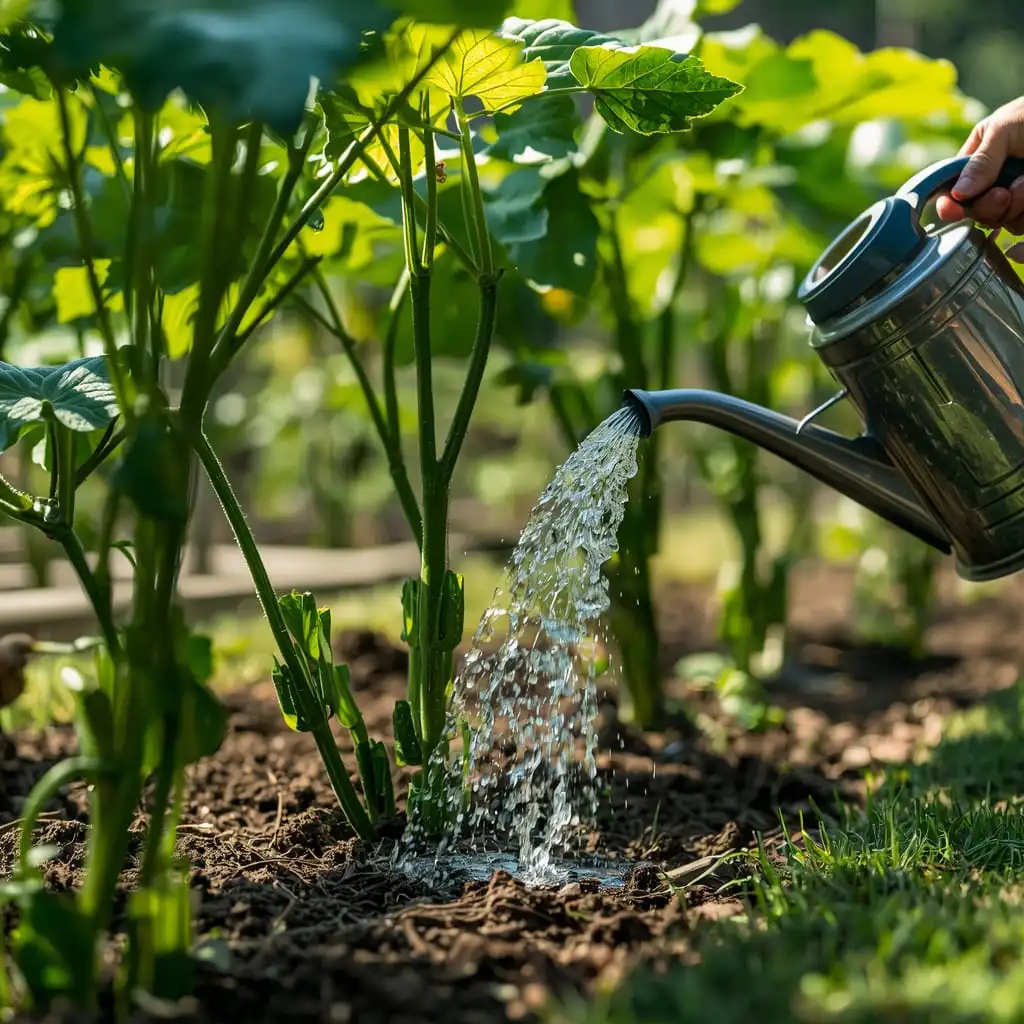
Water at the base of the plant, not overhead. Wet leaves invite fungal diseases. If you can use a drip hose or soaker hose, that’s ideal. If you’re hand watering, keep the water low and directed at the soil.
Check the soil with your finger. If it feels dry about an inch below the surface, it’s time to water. If it’s still moist, hold off another day.
How Much Sun Do Cucumbers Need?
Cucumbers are sun lovers. They need a minimum of 6 hours of direct sunlight daily, and they’ll do even better with 8 hours. More sun generally means more fruit.
If your plants are in a spot that gets shade for part of the day, they’ll still grow, but production will be lower. Try to give them the sunniest spot in your garden.
Supporting Cucumber Plants (Trellis Tips)
Vining cucumbers grow best when they have something to climb. Even compact bush varieties can benefit from a little support.
Why Use a Trellis?
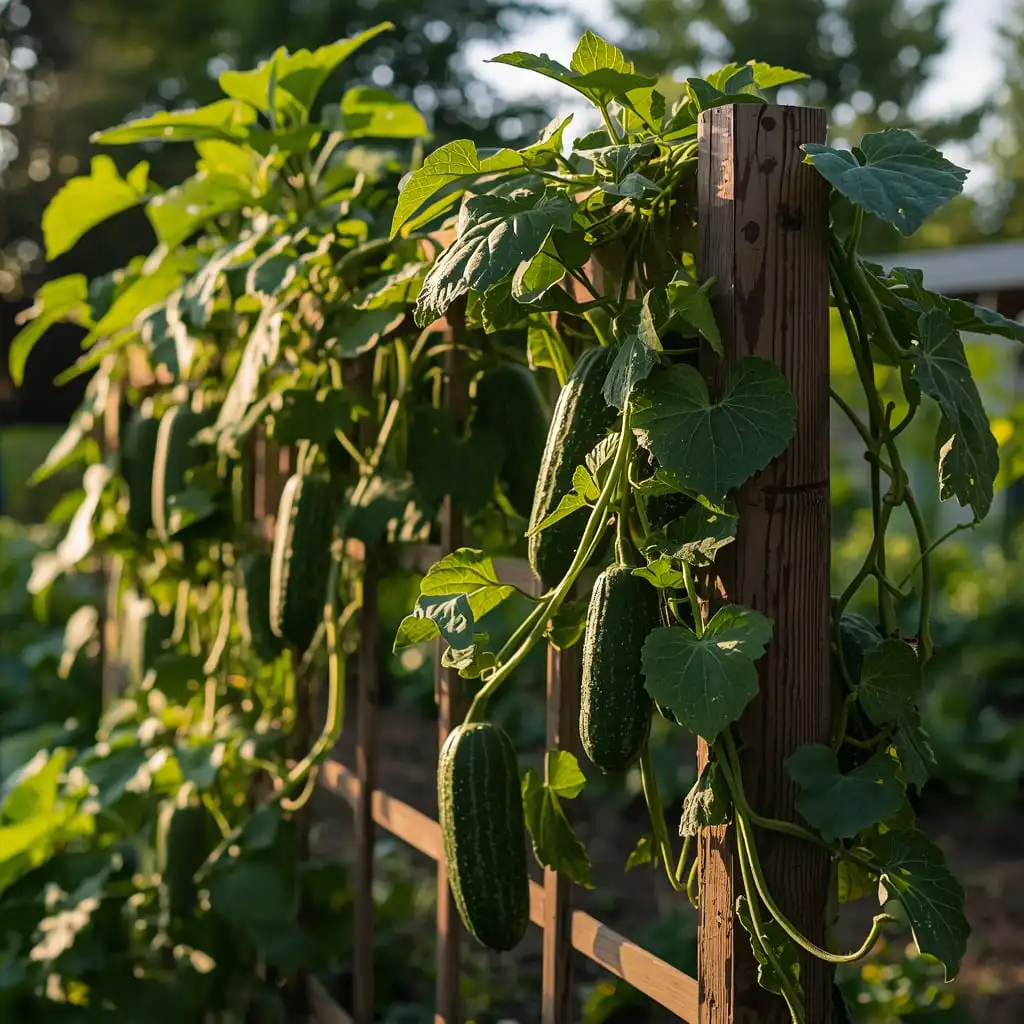
Training cucumbers to grow vertically has several advantages. It saves space, improves air circulation around the leaves (which reduces disease), makes it much easier to spot and harvest fruit, and keeps cucumbers off the soil so they stay clean and don’t rot.
What to Use
You don’t need anything fancy. Here are some simple options:
- A wooden stake — good for a single plant
- A wire cage — works well for bush types
- A simple A-frame trellis — great for rows of vining cucumbers
- A chain-link fence or garden netting stretched between two posts — very effective and inexpensive
Set up your trellis before you plant or when the seedlings are young. This way you won’t disturb established roots later.
As the vines grow, gently guide the tendrils toward the trellis. Cucumbers attach themselves naturally once they find something to grab, so you won’t have to do much. Just check every few days and redirect any wayward vines.
Common Problems and How to Fix Them
Even when you do everything right, problems can show up. Here’s how to handle the most common ones. Cucumber Planting Guide will make you pro gardner.
Yellow Leaves
Yellow leaves are usually a sign of one of three things: overwatering, underwatering, or a nutrient deficiency.
Check your watering habits first. If the soil has been consistently wet, ease up on watering and make sure drainage is good. If the soil has been dry, water more regularly.
If watering seems fine, the plant may need feeding. A dose of balanced fertilizer usually helps. Yellowing between the leaf veins (while the veins stay green) can point to a magnesium deficiency — a diluted Epsom salt solution sprayed on the leaves can fix this.
Pests
The most common cucumber pests are cucumber beetles, aphids, and spider mites.
Cucumber beetles are yellow-green with black stripes or spots. They chew leaves and spread bacterial wilt disease. Pick them off by hand, use row covers on young plants, or apply neem oil spray.
Aphids cluster on the undersides of leaves and suck sap, causing curled or yellowed leaves. Blast them off with a strong jet of water from a hose, or use insecticidal soap spray.
Spider mites thrive in hot, dry conditions and leave fine webbing on leaves. Increase humidity around plants and use neem oil spray to control them.
Poor Fruit Growth
If your plants are flowering but not producing cucumbers, the problem is usually pollination. Cucumber flowers need bees and other insects to transfer pollen. If you’re not seeing much bee activity, try hand-pollinating by using a small paintbrush to transfer pollen from male flowers (the ones on plain stems) to female flowers (the ones with a tiny cucumber shape at the base).
Planting flowers nearby like marigolds or basil can also attract more pollinators to your garden.
Bitter cucumbers are often caused by heat stress or irregular watering. Keep moisture consistent and harvest cucumbers before they get too large — overripe cucumbers tend to be bitter.
Harvesting Cucumbers the Right Way
Cucumber Planting Guide gives you knowledge when and how to harvest is just as important as everything else in this cucumber planting guide.
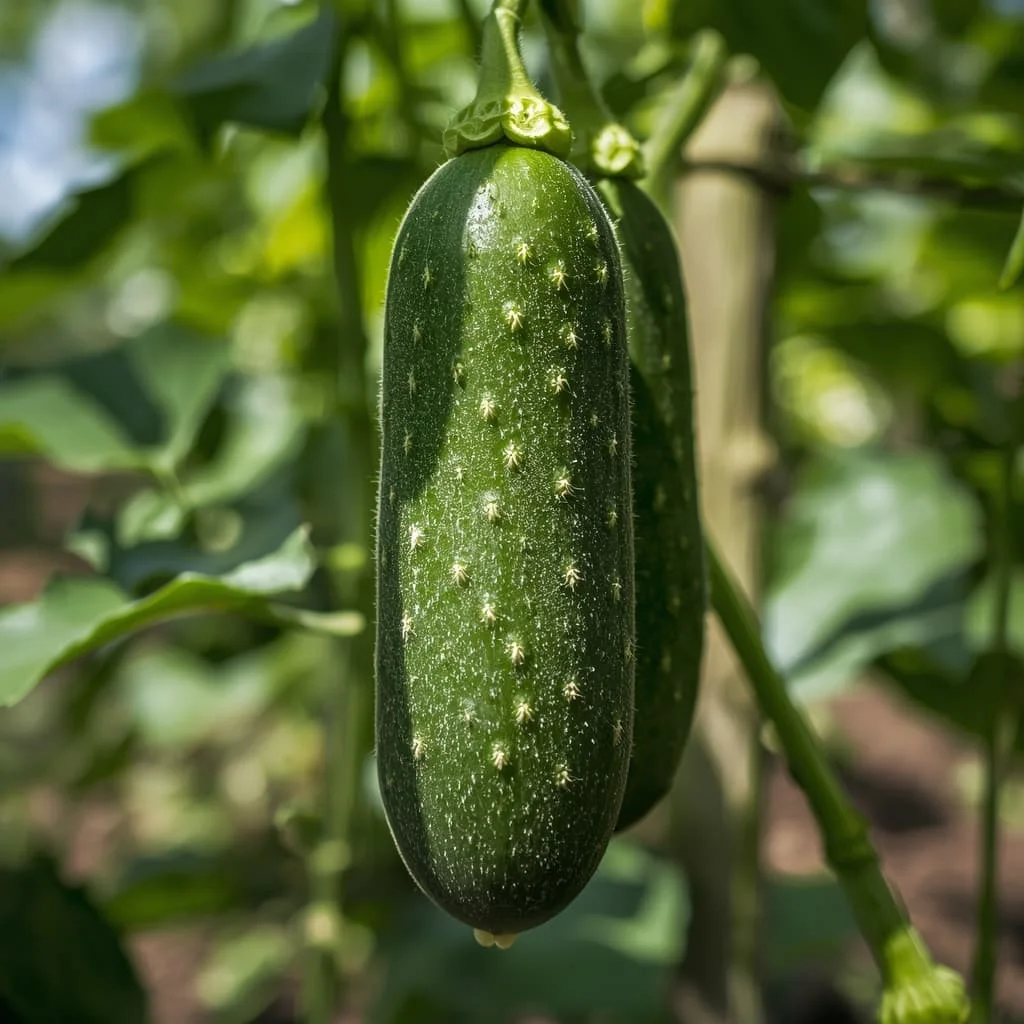
Most cucumbers are ready to pick when they’re 6 to 8 inches long and a deep, even green. Don’t let them get too big. Oversized cucumbers turn yellow, get bitter, and tell the plant to stop producing new fruit. Harvesting regularly is the secret to keeping your plants productive all season long.
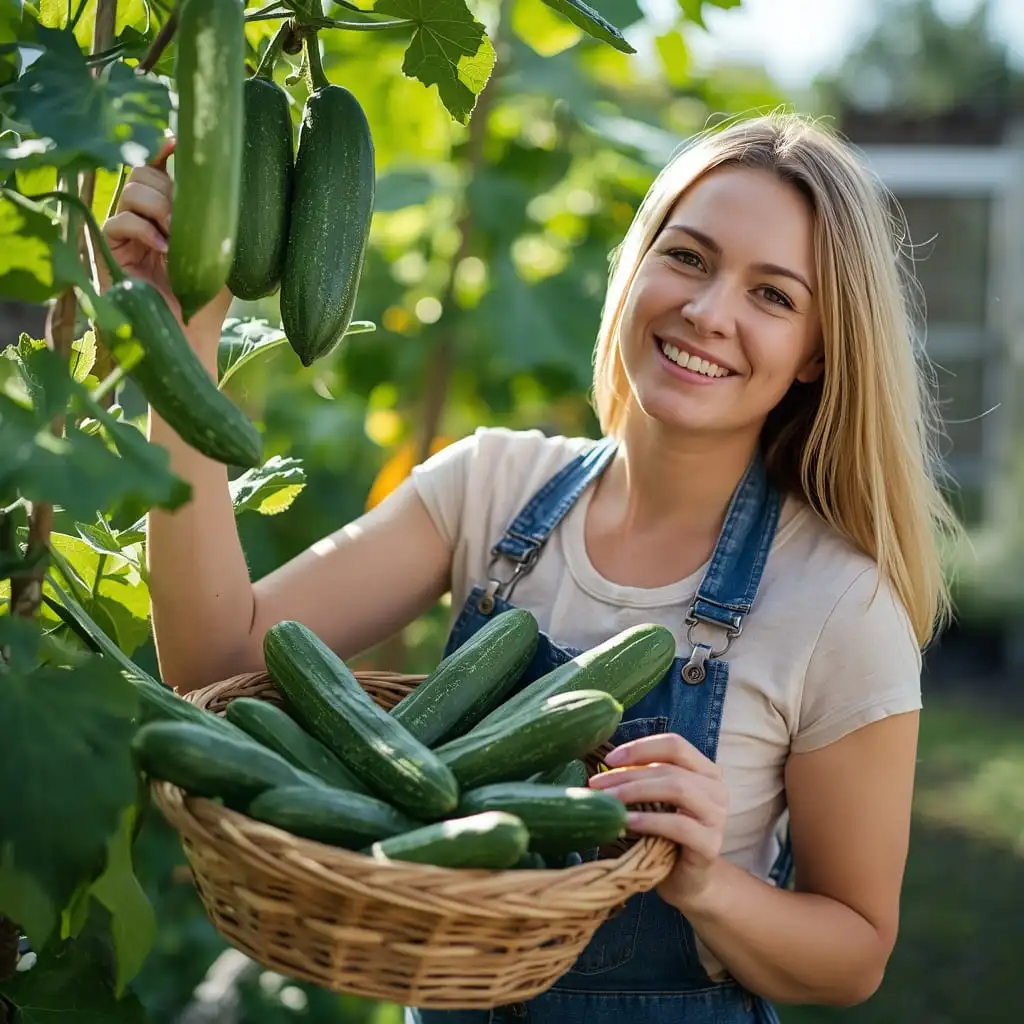
Check your plants every day or every other day once they start fruiting — cucumbers grow fast and can go from perfect to overripe quickly.
To harvest, use a sharp pair of scissors or garden pruners and cut the stem about a quarter inch above the cucumber. Don’t pull or yank the fruit — you can damage the vine and the plant.
Store harvested cucumbers in the fridge and use them within a week for the best flavor.
Free Garden Calculators for Accurate Planting & Harvest Planning
Beginner Mistakes to Avoid
Cucumber Planting Guide will tells you what not to do is just as useful as knowing what to do. Here are the most common mistakes beginners make when growing cucumbers.
Planting too early. Cold soil stunts growth and can kill seedlings. Be patient and wait until conditions are warm enough.
Overwatering. More water doesn’t mean better cucumbers. Soggy soil leads to root rot and yellow leaves. Water deeply but let the soil dry slightly between waterings.
Skipping the trellis. Vines left on the ground rot easily, attract pests, and make harvesting difficult. Set up support early.
Not harvesting regularly. This is a big one. If you leave cucumbers on the vine too long, the plant slows down fruit production. Harvest often to keep the plant working.
Planting in shade. Cucumbers need real sun. If they’re not getting enough light, they’ll produce weak plants and very little fruit.
Planting too deep. Seeds planted more than an inch deep may struggle to germinate. Keep it shallow.
Ignoring pests until it’s too late. Check the undersides of leaves regularly. Catching pests early makes them much easier to deal with.
Conclusion
Successfully wrapping up your gardening season starts with following a reliable Cucumber Planting Guide from day one. When you commit to a Cucumber Planting Guide, you aren’t just putting seeds in the dirt; you are learning the delicate balance of sun, water, and nutrient-rich soil that results in a bountiful, crisp harvest. Many beginners find that without a Cucumber Planting Guide, they struggle with common issues like bitter fruit or wilted vines, but with these expert steps, you can confidently navigate the growing season.
For more advanced technical details on managing soil nutrients and identifying specific vine diseases, I recommend the Cornell University Cooperative Extension’s Guide to Growing Cucumbers, which provides an excellent, non-competitive academic perspective for home growers
A solid Cucumber Planting Guide emphasizes that consistency is key—especially when it comes to moisture levels and harvesting frequency. The more you pick, the more the plant produces, making the Cucumber Planting Guide an essential tool for maximizing your yield. Whether you are preserving a surplus of pickles or slicing fresh cucumbers for a summer salad, referring back to a Cucumber Planting Guide ensures that your garden remains a productive and stress-free environment.
In the end, the success of your backyard garden hinges on the foundational knowledge found in a Cucumber Planting Guide. By respecting the plant’s need for warmth and providing a sturdy structure for vining varieties to climb, you transform a simple packet of seeds into a lush, green oasis. Stick to the principles of a professional Cucumber Planting Guide, and you will enjoy the unmatched crunch and flavor of home-grown cucumbers all summer long.
Frequently Asked Questions
Most cucumber varieties take between 50 and 70 days from planting to harvest. If you start seeds indoors, you can shorten the time from outdoor planting to harvest. Once plants start fruiting, you’ll be picking cucumbers regularly for several weeks.
Cucumber plants generally need about 1 inch of water per week. Water deeply two to three times a week rather than a little every day. In hot weather, you may need to water more frequently. The key is keeping the soil consistently moist — not waterlogged, but never bone dry either.
Yes, cucumbers grow really well in containers as long as the pot is large enough. Use a pot that holds at least 5 gallons — bigger is better. Choose a bush variety like Spacemaster or Bush Pickle, make sure the pot has good drainage holes, water more frequently than you would in the ground (pots dry out faster), and give the plant something to climb or place it near a railing.
Bitter cucumbers are usually caused by stress — most often heat stress, irregular watering, or leaving fruit on the vine too long. Keep your watering consistent so the soil doesn’t go through extreme wet-dry cycles. Harvest cucumbers when they’re the right size and don’t let them over-ripen. Some older or open-pollinated varieties are also naturally more prone to bitterness. Peeling the cucumber and removing the ends can reduce bitterness when eating.
Yes, cucumbers do best in full sun — at least 6 hours of direct sunlight per day, and ideally 8 hours or more. They can tolerate some light afternoon shade in very hot climates, but in most gardens, more sun equals more fruit. If you’re gardening in a spot with limited sun, cucumbers will still grow but expect lower yields.