
Water Calculator
Estimate your garden’s weekly watering needs based on size, plant type, and weather conditions for healthier growth and efficient irrigation.
Water Calculator – How to Calculate the Right Amount of Water for Your Garden
Watering your garden sounds simple. You grab the hose, spray the plants, and walk away. But most gardeners either water too much or not enough, and both can seriously hurt your plants. A water calculator takes the guesswork out of watering. It tells you exactly how much water your garden needs based on its size, plant type, and weather conditions.
In this guide, you will learn how a water calculator works, how to use one for your backyard or raised bed, and how to water smarter all season long. Whether you are just starting out or have been gardening for years, this article will help you grow healthier plants without wasting a single drop.
Why Proper Watering Matters for Healthy Plants
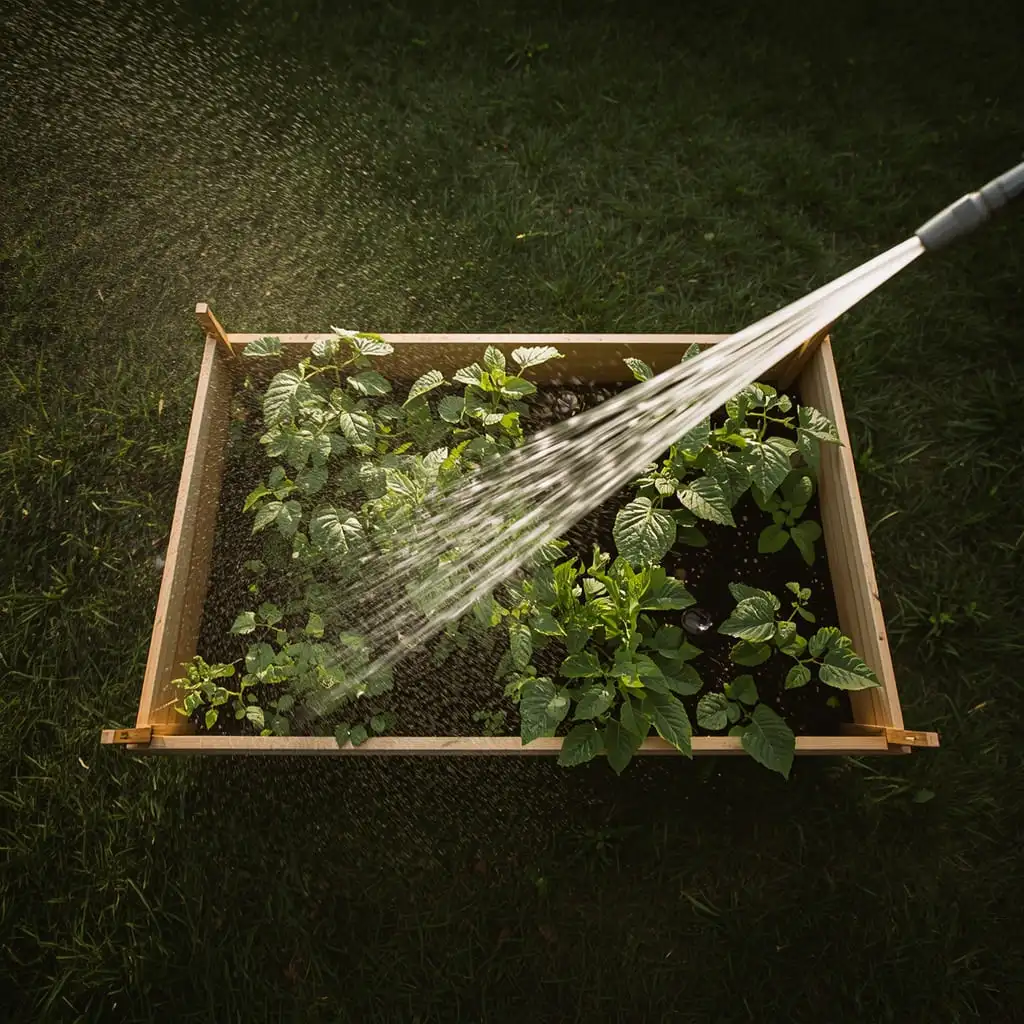
Water is the most important thing your plants need after sunlight. Get it right and your garden thrives. Get it wrong and you will be pulling out struggling, yellow, or rotting plants before the season even gets going. Water Calculator help you to maintain a healthy garden.
Most beginner gardeners do not realize how easy it is to mess up watering. It is not just about frequency. It is about how much water your plants actually get each time.
What Happens When Plants Get Too Much Water
Overwatering is actually the number one mistake home gardeners make. When the soil stays too wet for too long, the roots cannot breathe. They start to rot. The plant looks droopy and yellow even though the soil is soaking wet.
Too much water also washes nutrients right out of the soil. Your plants end up sitting in soggy ground with nothing to feed on. Fungal diseases love wet conditions too, so overwatered plants are much more likely to get sick. This water calculator will help you to reduce over watering.
What Happens When Plants Get Too Little Water
Underwatering is just as damaging. When plants do not get enough water, they dry out and wilt. Leaves curl up and turn brown at the edges. Vegetables stop producing fruit and start focusing all energy on survival instead. Water Calculator give you exact watering calculations.
Dry soil also gets hard and crusty. When that happens, water runs right off the surface instead of soaking in. Your plants end up thirsty even when you water them.
How Water Affects Roots and Growth
Roots follow water. When you water deeply and consistently, roots grow down into the soil where they find nutrients and stability. Deep roots mean stronger, healthier plants that can handle heat and dry spells better.
Shallow watering does the opposite. Roots stay near the surface, where the soil dries out fast. Those plants are fragile and the first to struggle when summer heat kicks in.
What Is a Water Calculator?
A water calculator is a simple tool that tells you how much water your garden needs. You enter your garden size, the type of plants you are growing, and sometimes your local weather conditions. The tool then gives you a weekly watering amount in gallons or inches.
Think of it like a fuel gauge for your garden. Instead of guessing when to fill up, you know exactly how much your garden needs and when.
A garden water calculator is especially helpful for beginners who are not sure where to start. Instead of trial and error, you get a real number right away. No more walking outside and wondering if you watered enough yesterday.
The big difference between guessing and using a watering calculator for plants is accuracy. Guessing might get you close sometimes, but calculating gives you consistent results every single week.
How a Water Calculator Works (Step-by-Step Guide)
Using a water calculator is much easier than it sounds. Here is how the process works from start to finish.
Step 1 – Measure Your Garden Size
Start by measuring the length and width of your garden. Use a tape measure and write it down. For example, a 4×8 raised bed is 32 square feet. A 10×10 backyard garden is 100 square feet.
If your garden has an odd shape, just break it into sections. Measure each rectangle separately, then add them together.
Step 2 – Select Units (Feet or Meters)
Most water calculators let you choose between feet and meters. In the USA, feet are the standard. Pick the unit you used when measuring and stick with it throughout.
If you are working with a mix of beds and containers, calculate each one separately. Then add up the totals at the end.
Step 3 – Choose Plant Type
Different plants need different amounts of water. Tomatoes are thirsty. Herbs like rosemary need very little. The calculator uses your plant type to adjust the water recommendation.
If you are growing multiple vegetables, pick the one that needs the most water as your guide. That way you make sure every plant gets what it needs.
Step 4 – Consider Weather Conditions
Heat, wind, and humidity all affect how fast your soil dries out. A good watering calculator for plants will ask about your local weather or let you input recent rainfall.
If you live in a hot, dry region like Texas or Arizona, your garden needs more water than a garden in the Pacific Northwest. Weather makes a huge difference in weekly watering needs.
Step 5 – Calculate Weekly Water Needs
Once you enter all the details, the calculator gives you a number. This is usually shown in gallons per week or inches of water per week. That is your watering target.
For a 4×8 raised bed growing tomatoes in summer, you might need around 16 to 20 gallons per week. For a small 4×4 bed of lettuce, you might only need 8 to 10 gallons. The numbers vary by plant and weather, which is exactly why calculating beats guessing.
How Much Water Does a Garden Really Need?
The general rule most gardeners follow is 1 to 1.5 inches of water per week. This covers most vegetables in most US climates during the growing season.
But what does an inch of water actually mean? One inch of water over one square foot equals about 0.62 gallons. So a 10×10 garden (100 square feet) needs roughly 62 gallons of water per week at one inch per week.
How to Account for Rainfall
If it rains during the week, you do not need to water as much. A simple rain gauge from any garden center will tell you how many inches of rain fell. Subtract that from your weekly target.
For example, if your garden needs 1 inch of water and it rained half an inch, you only need to add another half inch. A garden water calculator makes this adjustment easy.
How to Measure Inches of Water
Place a small flat container, like a tuna can, in your garden while you water. When the water in the can reaches one inch, you have watered enough. It is a simple old trick that works perfectly.
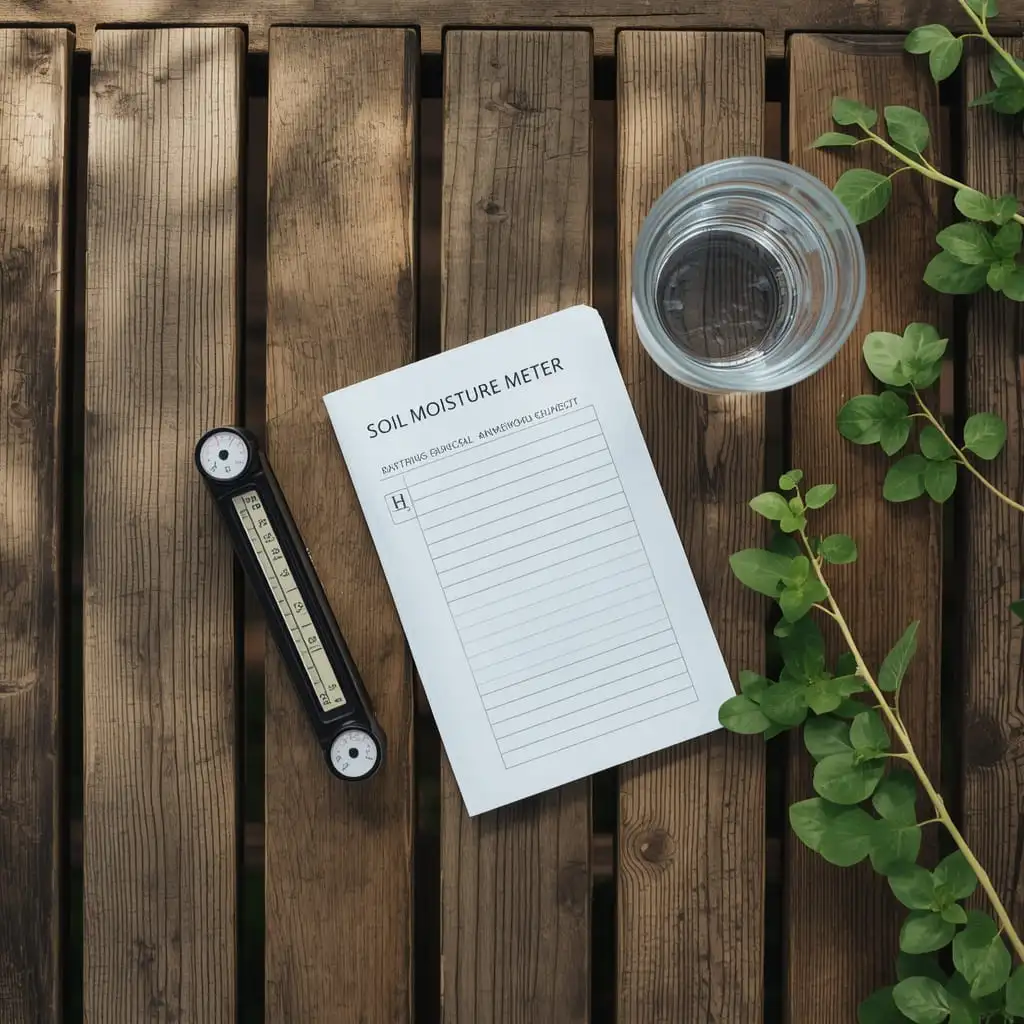
You can also use a rain gauge or a soil moisture meter for a more accurate reading. Both are affordable and available at most US garden stores.
Using a Water Calculator for Raised Beds
Raised beds behave differently from in-ground gardens. The soil drains faster, which means it dries out faster too. If you are using a raised bed watering guide, you will need to water more frequently than you would a ground-level garden.
Most raised beds need watering every 1 to 2 days in hot summer weather. In cooler spring and fall weather, every 2 to 3 days is usually fine.
Why Raised Beds Dry Out Faster
Raised beds are exposed on all sides. The sun hits not just the top but also the sides of the bed. This pulls moisture out faster than ground gardens where the soil stays cooler and retains water longer.
The mix of soil used in raised beds, usually a blend of compost, topsoil, and vermiculite, also drains quickly by design. That is great for root health but means you need to stay on top of watering.
Practical Raised Bed Watering Examples
Here are some general weekly water targets for common USA raised bed sizes:
- 4×4 bed (16 sq ft): Around 10 gallons per week in summer
- 4×8 bed (32 sq ft): Around 20 gallons per week in summer
- 4×12 bed (48 sq ft): Around 30 gallons per week in summer
- 10×10 bed (100 sq ft): Around 62 gallons per week in summer
These numbers go up in hot, dry weather and down in cool or rainy weeks. A water calculator adjusts these figures automatically based on your inputs.
Water Calculator for Different Vegetables
Every vegetable has its own watering needs. Here is a simple breakdown of the most popular ones for USA home gardeners.
Tomatoes
Tomatoes are one of the thirstiest vegetables in the garden. They need deep, consistent watering to grow well and produce fruit.
- Water needs: 1 to 2 inches per week
- Water deeply 2 to 3 times per week
- Inconsistent watering causes blossom end rot
- Water at the base, never the leaves
Lettuce
Lettuce has shallow roots and needs steady moisture to stay tender and sweet. It does not like to dry out but also does not want soggy soil.
- Water needs: About 1 inch per week
- Water every 1 to 2 days in warm weather
- Keep soil consistently moist but not soaked
- Dry soil makes lettuce bitter and bolts quickly
Carrots
Carrots need even moisture to grow straight and full. Uneven watering causes them to split or fork.
- Water needs: About 1 inch per week
- Water deeply to encourage roots to grow down
- Let the top inch of soil dry before watering again
- Avoid overwatering which causes forked roots
Peppers
Peppers like warmth and moderate moisture. They do not do well with soggy soil but need regular water to produce well.
- Water needs: 1 to 1.5 inches per week
- Water 2 to 3 times per week in summer
- Let soil dry slightly between waterings
- Drought stress causes flowers to drop before fruiting
Cucumbers
Cucumbers grow fast and need plenty of water to stay crisp and productive. They are mostly water themselves, so it makes sense that they are thirsty plants.
- Water needs: 1 to 2 inches per week
- Water deeply and consistently
- Irregular watering causes bitter cucumbers
- Mulch around plants to hold moisture longer
How Weather Affects Watering Needs
Weather is the biggest factor in how much water your garden actually needs from week to week. A good garden irrigation planning tool will always factor in local conditions.
Hot Summer Weather
When temperatures climb above 85°F, your garden loses water fast. Soil dries out quickly, especially in raised beds. You may need to water every day or increase your watering depth significantly.
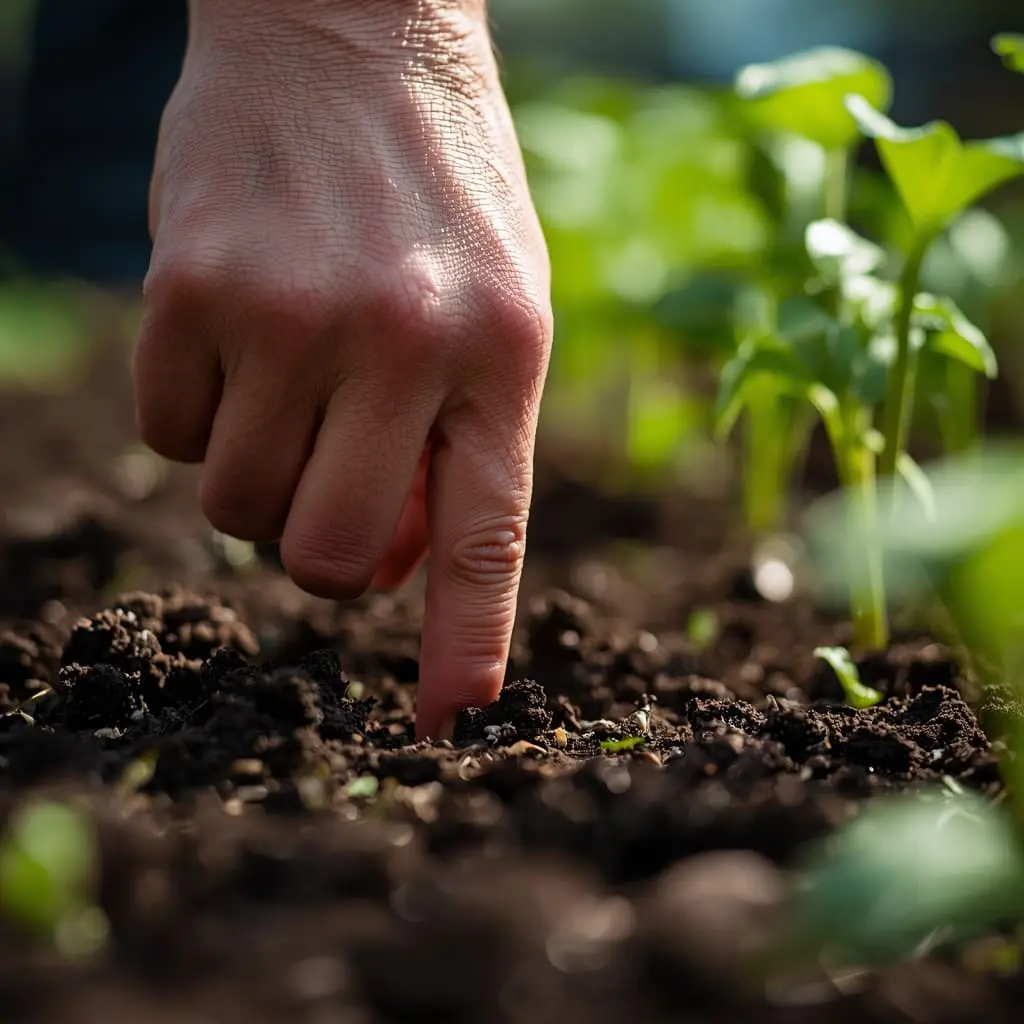
In peak summer heat, check your soil in the morning before you water. Stick your finger an inch into the soil. If it feels dry, it is time to water.
Cool Spring Weather
In spring, temperatures are lower and evaporation is slower. Your garden holds water much longer. You can cut back your watering to every 3 to 4 days or even less if it rains regularly.
Overwatering in cool weather is a common mistake. The soil stays wet for longer, which increases the risk of root rot and fungal problems.
Windy Conditions
Wind dries out soil surprisingly fast. Even on a cool day, strong wind can pull moisture from the ground and the leaves of your plants. On windy days, check your garden more often and be ready to water more.
Windbreaks like fences, trellises, or hedges can help reduce moisture loss if your garden is in an exposed spot.
Rainy Weeks
When it rains, you can often skip watering entirely. Use a rain gauge to track how much rain fell and subtract it from your weekly watering needs.
If you get a full inch of rain in a week, your garden is covered. If you only get half an inch, add another half inch with your hose or drip system to hit your weekly target.
Common Watering Mistakes to Avoid
Even experienced gardeners make these mistakes. Here is what to watch out for.
- Watering every day without checking soil – Daily watering is often too much, especially in spring or after rain. Always check the soil first.
- Ignoring rainfall – If it rained 0.75 inches this week, you do not need to add a full inch more. Count your rainfall as part of your weekly total.
- Watering leaves instead of roots – Wet leaves invite disease and do nothing for root growth. Always aim your hose or drip line at the base of the plant.
- Overwatering raised beds – Raised beds drain fast but can still be overwatered. More frequent does not always mean more water per session.
- Not adjusting for heat – What works in May will not be enough in July. Always adjust your watering schedule as temperatures rise.
- Watering at the wrong time – Watering at midday causes evaporation before water reaches roots. Evening watering leaves leaves wet overnight, encouraging disease.
- Using the same schedule all season – Your garden needs change as the weather changes. A fixed schedule is rarely the right answer all season long.
Smart Watering Tips for Bigger Harvests
Small changes in how you water can make a big difference in your harvest. Here are some easy tips any beginner can follow.
Water Early in the Morning
Morning is the best time to water. The soil soaks up moisture before the heat of the day evaporates it. Leaves that accidentally get wet have time to dry out before evening, which reduces the risk of disease.
Try to water between 6am and 10am for the best results.
Use Mulch
A 2 to 3 inch layer of mulch around your plants holds moisture in the soil for much longer. It also keeps the soil cooler in summer. Straw, wood chips, or shredded leaves all work well.
Mulch can cut your watering needs by up to 50% in hot weather. That is a big saving on time and water bills.
Check Soil Moisture Before Watering
Do not water on a schedule alone. Stick your finger one inch into the soil. If it feels damp, wait. If it feels dry, water. A simple soil moisture meter takes the guesswork out completely and costs very little.
Use Drip Irrigation
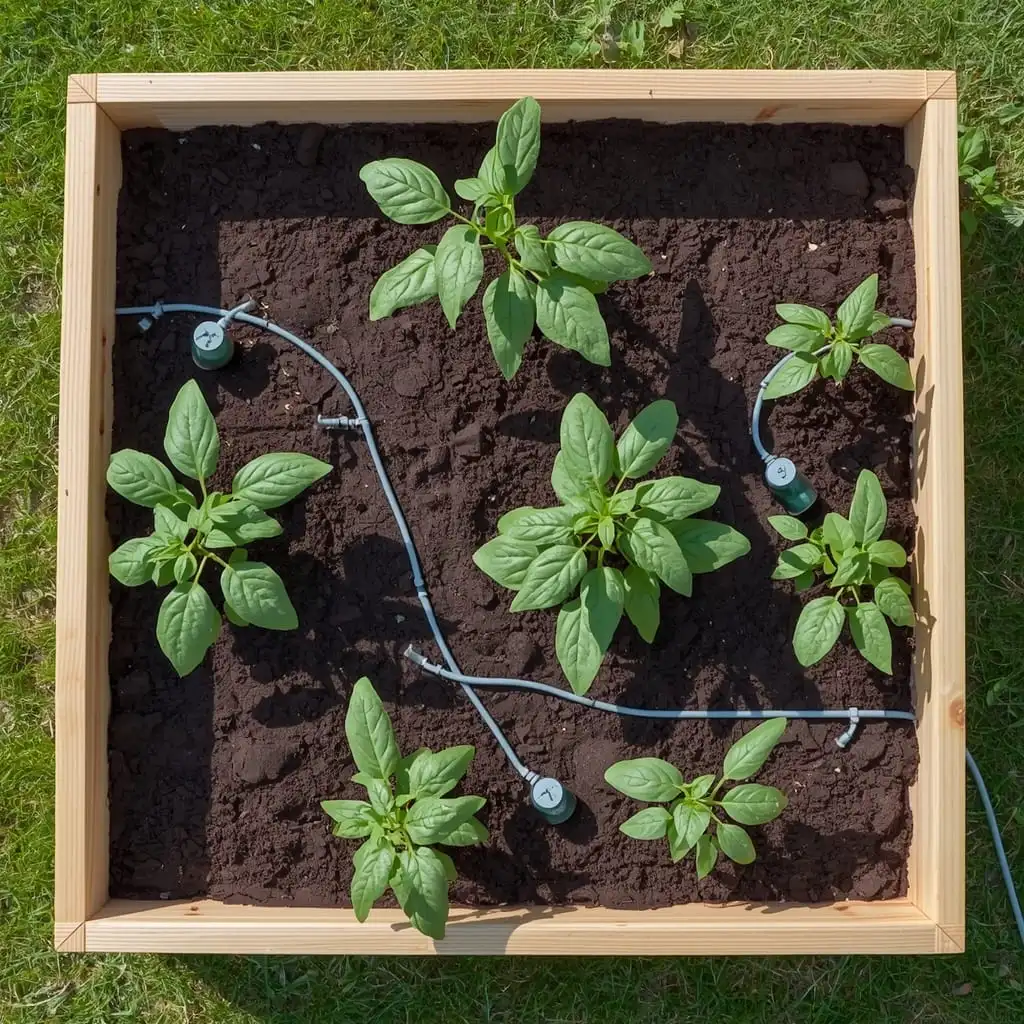
Drip irrigation delivers water slowly and directly to the root zone. It is one of the most efficient ways to water a garden. It reduces evaporation, keeps leaves dry, and can be connected to a timer for hands-free watering.
Drip kits for raised beds are available at most USA garden centers for under fifty dollars and are easy to set up.
Plan Your Watering Weekly
Check the weather forecast at the start of each week. If rain is expected, plan to water less. If a heat wave is coming, plan to water more. Using a garden irrigation planning approach each week keeps your plants consistently happy.
Signs Your Garden Needs More or Less Water
Your plants will tell you when something is wrong. Here are the signs to watch for.
Signs your garden needs more water:
- Leaves wilting in the morning (not just midday heat wilt)
- Dry, cracked soil surface
- Leaves turning brown and crispy at the edges
- Slow or stunted plant growth
- Vegetables that are small, tough, or bitter
Signs your garden is getting too much water:
- Yellow leaves despite healthy-looking soil
- Soft, mushy stems near the base
- Soil that stays wet for days after watering
- Mold or fungus on soil surface
- Plants wilting even though the soil is wet
If you spot any of these signs, adjust your watering right away. The sooner you catch it, the faster your plants recover.
Free Garden Calculators for Accurate Planting & Harvest Planning
Benefits of Using a Water Calculator Every Season
If you are not already using a water calculator, here is why it is worth adding to your routine.
- Saves water – You only use what your garden actually needs, which is better for the environment and your water bill.
- Prevents root rot – By knowing the right amount, you avoid the soggy soil conditions that destroy roots.
- Reduces plant stress – Consistent, correct watering keeps plants healthy and productive all season.
- Improves harvest – Well-watered plants produce more fruit and vegetables than stressed ones.
- Saves money on water bills – Overwatering wastes money. A calculator helps you use just the right amount.
- Builds good habits – Once you start calculating, you naturally become a more observant and effective gardener.
Final Thoughts on Using a Water Calculator
Watering your garden well is one of the simplest things you can do to get a better harvest. But simple does not mean easy when you are guessing every time.
A water calculator gives you confidence. You know how much your garden needs, you know when to adjust for rain or heat, and you stop worrying about whether you are doing it right. That peace of mind is worth a lot when you have put real effort into growing your own food.
Whether you have a small container on a patio or a full 10×10 backyard garden, a water calculator works for any space and any experience level. Start with your current garden size, plug in your plant type, and let the numbers guide you. To maintain a healthy garden without wasting resources, you can follow these expert guidelines on efficient vegetable garden irrigation provided by the University of Minnesota Extension.
You will notice a difference in your plants quickly. Healthier leaves, stronger stems, and a fuller harvest are all signs that your watering is on track. Give it a try this season and see for yourself.
Happy growing!
Frequently Asked Questions (FAQs)
A water calculator is a simple online tool that figures out how much water your garden needs each week. You enter your garden size, plant type, and weather conditions, and it gives you a target in gallons or inches. It takes the guesswork out of watering so your plants always get the right amount, not too much and not too little.
Most vegetable gardens need about 1 to 1.5 inches of water per week during the growing season. This includes rainfall. In hot summer weather, some water-hungry plants like tomatoes and cucumbers may need closer to 2 inches. Check your soil regularly to fine-tune the amount for your specific garden.
Subtract the rainfall from your weekly watering target. Use a simple rain gauge to measure how much rain fell. If your garden needs 1 inch of water and it rained 0.5 inches, you only need to add another 0.5 inches with your hose or irrigation system. A good garden water calculator will let you factor in rainfall directly.
The easiest way is to place a shallow flat container like a tuna can in your garden while you water. When the water inside reaches 1 inch deep, you have applied 1 inch of water. You can also buy an inexpensive rain gauge or soil moisture meter from any US garden center to get more precise readings.