
Tree Removal Cost Calculator
Use our Tree Removal Cost Calculator to instantly estimate tree cutting and removal costs based on tree size, location, risk level, and optional services.
Tree Removal Cost Calculator
Get a realistic tree removal price range based on tree size, type, access, risk, location, urgency, and add-on services.
Cost Breakdown
Risk Warnings
Money-Saving Tips
This calculator gives an estimated cost range only. Final pricing depends on site inspection, local labor rates, permits, equipment, disposal fees, and safety conditions.
Tree Cutting Estimate
Figuring out what tree removal will cost you is not always simple. Prices can jump from a few hundred dollars to several thousand depending on the tree size, where it is on your property, and what kind of job it turns into. That is exactly why a tree removal cost calculator is so useful. Instead of guessing or waiting on multiple phone calls, you can plug in a few details and get a realistic number in seconds.
This page will walk you through how our tree removal cost calculator works, what affects pricing, what to expect from contractors, and how to avoid paying more than you should. Whether you are removing a small yard tree or a massive oak near your house, this guide and the tree removal cost calculator below will help you plan with confidence.
How to Use the Tree Removal Cost Calculator
Using the tree removal cost calculator on this page is quick and easy. You do not need any special knowledge. Just follow these steps:
Step 1: Select your tree size Choose whether the tree is small, medium, large, or very large. If you are not sure, use the height as a guide. Under 30 feet is small, 30 to 60 feet is medium, 60 to 80 feet is large, and anything above 80 feet is very large.
Step 2: Choose your tree type Different trees cost different amounts to remove. An oak tree is harder to cut than a palm tree. The tree removal cost calculator factors in the common tree types to give you a better range.
Step 3: Answer a few location questions Is the tree near your house? Near power lines? In a tight backyard with limited access? These things affect how the job gets done and how much it costs.
Step 4: Add optional services Do you want the stump removed too? Do you need debris hauled away? Add those to get a full picture.
Step 5: Get your estimate The tree removal cost calculator will give you an instant price range based on national averages and regional data. Use this number to compare quotes from local tree service companies before you commit to anyone.
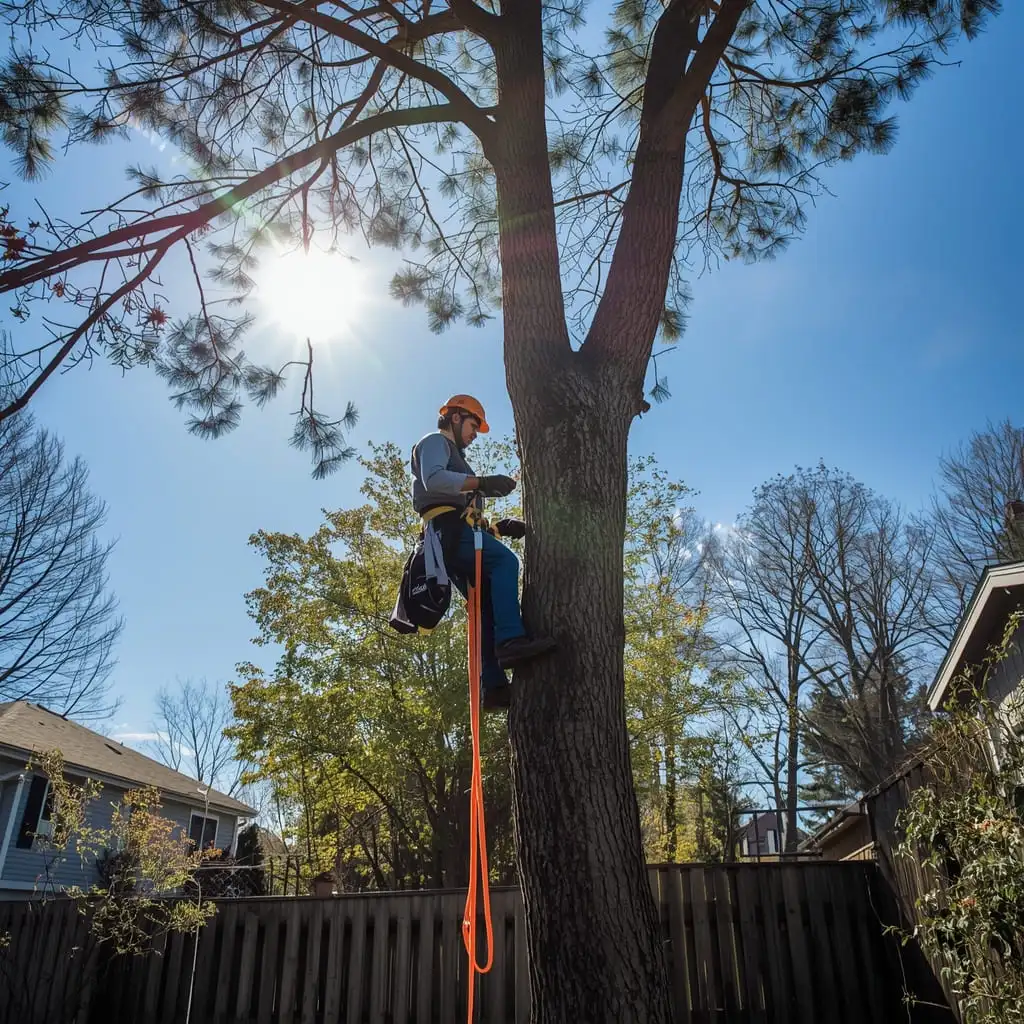
Tree Removal Cost Calculator by Tree Size
One of the biggest factors in tree removal pricing is how tall and wide the tree is. Bigger trees take more time, more equipment, and more labor. Here is a general breakdown you can use alongside the tree removal cost calculator:
| Tree Size | Height | Average Cost Range |
|---|---|---|
| Small tree | Under 30 ft | $150 – $500 |
| Medium tree | 30 – 60 ft | $450 – $1,200 |
| Large tree | 60 – 80 ft | $1,000 – $2,500 |
| Very large tree | 80+ ft | $2,000 – $6,000+ |
These are national averages. Your actual cost may be higher or lower depending on your area, the tree’s condition, and how accessible it is. Run it through the tree removal cost calculator to narrow it down for your specific situation.
Average Tree Removal Cost in 2026
Across the United States, homeowners spend anywhere from $300 to $5,000 on tree removal. The most common projects land between $700 and $1,500. Here is a quick overview of what most people actually pay:
| Scenario | Typical Cost |
|---|---|
| Small tree, easy access | $150 – $400 |
| Medium tree, standard backyard | $500 – $1,100 |
| Large tree near home | $1,200 – $2,800 |
| Emergency removal, same day | $1,500 – $5,000+ |
| Full removal + stump grinding | Add $100 – $500 extra |
| Debris hauling and cleanup | Add $50 – $300 extra |
Labor rates vary a lot by region. Urban areas tend to cost more than rural ones because of overhead, demand, and access challenges. Use the tree removal cost calculator to see what your zip code range might look like.
Use our Raised Bed Soil Calculator to quickly find the exact soil quantity, bag count, and best soil mix for any raised garden bed. Click on the following link.
Raised Bed Soil Calculator
What Affects Tree Removal Cost
This is where things get interesting. A lot of homeowners get surprised by quotes because they did not know how many variables go into tree removal pricing. The tree removal cost calculator accounts for all of these.
Tree Height
Height is probably the single biggest cost driver. A 20-foot ornamental tree is a half-day job for two people with a chainsaw. An 80-foot pine tree requires rigging, a bucket truck or crane, and a full crew. The taller the tree, the more equipment is needed and the longer it takes.
Trunk Diameter
A tree with a wide trunk takes much longer to cut through and produces much more wood to haul away. Arborists often price jobs partly by trunk diameter at chest height. A trunk over 24 inches wide adds cost even on a shorter tree.
Tree Type
Hardwood trees like oak, maple, and elm are dense and heavy. They are harder to cut and harder to move. Softwood trees like pine are lighter and easier to section. Palm trees are tall but have no real branches, which makes them faster to remove despite their height. The tree removal cost calculator uses tree type as a pricing variable because it genuinely changes the cost.
Dead Tree Condition
A dead tree sounds like it should be easier to remove. In some ways it is. But dead trees are also unpredictable. Limbs can snap without warning. The wood may be rotted and unstable. Crews have to work more carefully, which means it can actually cost more than removing a healthy tree of the same size.
Storm Damage
Storm damaged trees are urgent and dangerous. They may be partially fallen, leaning on a structure, or wedged against power lines. Emergency service crews charge a premium for speed and risk. The tree removal cost calculator has a storm damage option that reflects this reality.
Backyard Access
If an arborist can park a bucket truck right next to your tree, the job is fast and efficient. If the tree is behind a fence, on a slope, or surrounded by landscaping that could be damaged, the crew has to work differently. Hand climbing, rigging, and aerial lift equipment all cost more. Limited access can add 25 to 50 percent to your total.
Near House
Trees close to your home need careful sectional removal. Crews cannot just push the tree over. They cut it in pieces from the top down. This protects your roof and walls but takes longer and adds cost.
Near Power Lines
Trees touching or near power lines are serious safety hazards. In many areas, the utility company handles the section directly touching the lines. But you still pay for everything else. Some crews will not touch trees near active power lines at all without utility coordination. This adds time and sometimes extra permit requirements.
Emergency Service
Same-day tree removal almost always costs more. After a storm, demand spikes and crew availability drops. Expect to pay 1.5 to 2 times the normal rate for true emergency jobs. If the situation is not urgent, scheduling removal during the off-season can save you real money.
Cleanup and Hauling
Most quotes you see are for cutting the tree down. Getting all that wood and debris off your property is a separate line item for many companies. Ask upfront if cleanup is included. Hauling a large tree can add $100 to $400 to your bill.
Stump Removal
Cutting a tree down leaves a stump. Stump grinding or stump removal is almost always quoted separately. A stump grinder mulches the stump down to a few inches below ground. Full stump removal pulls the root ball out entirely, which is more invasive and costs more. The tree removal cost calculator lets you add stump removal to your estimate.
Permit Fees
Some cities and counties require a permit before you remove a tree, especially large or protected species. Permit fees typically range from $25 to $200. Some companies pull the permit for you and include it in the quote. Others leave it to you. Always ask.
Region and City Labor Rates
The same job costs less in rural Mississippi than it does in San Francisco or New York City. Local wages, overhead, insurance costs, and competition all factor in. The tree removal cost calculator uses regional data to reflect this.
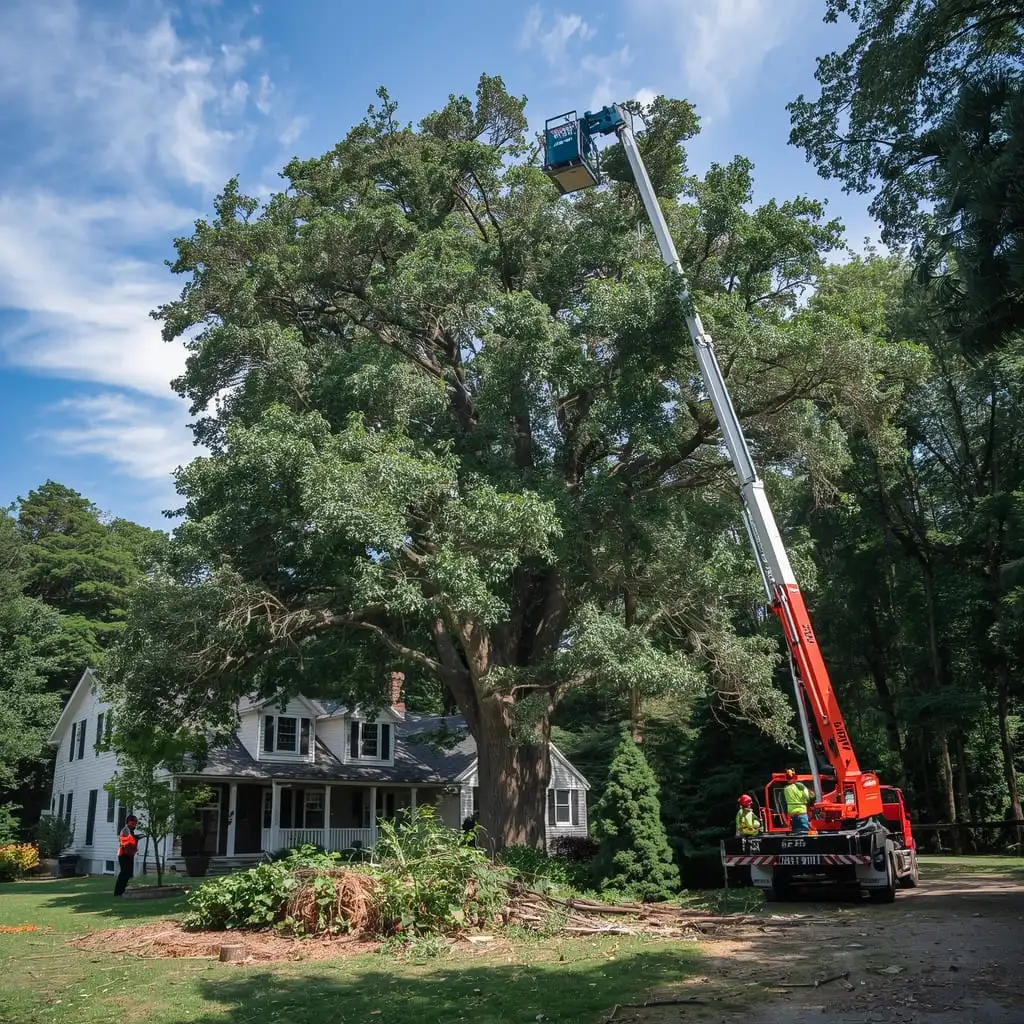
Tree Removal Cost Calculator by Tree Type
Different trees come with different challenges and different price tags. Here is what you can expect for common tree types:
| Tree Type | Size Range | Typical Removal Cost |
|---|---|---|
| Oak tree | Large to very large | $850 – $3,500 |
| Pine tree | Medium to very large | $500 – $2,500 |
| Palm tree | Medium to large | $400 – $1,500 |
| Maple tree | Medium to large | $600 – $2,200 |
| Eucalyptus tree | Large to very large | $1,500 – $4,500 |
| Small hardwood | Small to medium | $300 – $1,000 |
Oak tree removal cost tends to be higher because oaks are heavy, dense, and often very old and wide. Pine tree removal cost varies a lot because pines can range from 30 feet to 100+ feet. Eucalyptus trees are fast-growing but can reach enormous heights with weak wood, which makes them both common removal targets and expensive ones.
Use the tree removal cost calculator to get a range specific to your tree type and local labor rates.
Benefits of Using a Tree Removal Cost Calculator
Why bother with a tree removal cost calculator before calling contractors? Here are real reasons it helps:
Save time. You get a ballpark number in under two minutes instead of waiting on three or four phone calls and site visits.
Budget planning. Knowing what to expect lets you set money aside before you commit to anything. No surprise invoices.
Avoid overpaying. When you already know that a medium oak in a standard yard should cost around $800 to $1,500, you know right away if a quote of $3,000 seems off.
Compare quotes intelligently. A tree removal cost calculator gives you a baseline. When you get actual quotes, you can see which ones are reasonable and which ones are padding.
Understand what you are paying for. The calculator breaks down costs by service, so you understand why stump removal or emergency service adds cost.
Prepare better questions. When you call a tree service, you can ask smart questions about what is and is not included. That leads to better quotes and fewer surprises.
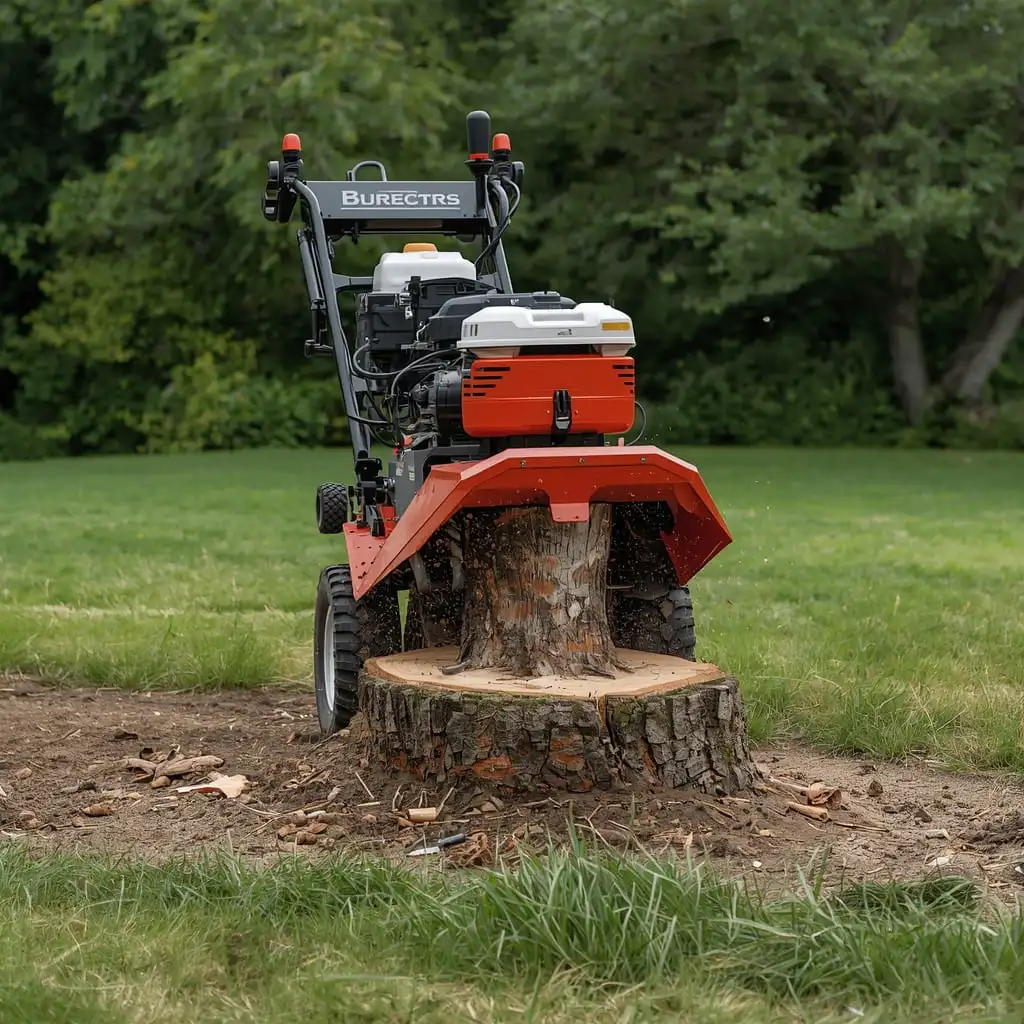
Common Uses of a Tree Removal Cost Calculator
People use the tree removal cost calculator in more situations than you might expect:
Homeowners use it before calling a tree company so they know if they are getting a fair quote.
Landscapers use it to estimate project budgets when tree removal is part of a larger job.
Property managers use it for maintenance planning across multiple properties.
Real estate sellers use it to budget for tree work that makes a property more attractive before listing.
Storm damage planning is a big one. After a major storm, homeowners use the tree removal cost calculator to get a rough idea of costs before insurance adjusters arrive.
Insurance budgeting is another use case. If you are submitting a claim, knowing the typical range helps you verify that your settlement is fair.
Tree Removal Cost Calculator for Backyard Trees
Backyard tree removal often costs more than front yard removal, and here is why. Crews need to get equipment to the tree. That usually means going through or around your house. If there is no gate wide enough for a skid steer or a wood chipper, workers may have to carry debris out by hand or use ropes and cranes to lift sections over your roof.
Tight yards with fences, landscaping, pools, or sheds all add complications. A tree that would cost $700 in an open yard might cost $1,100 or more in a restricted backyard. The tree removal cost calculator accounts for access difficulty, so make sure you answer the access question honestly to get a realistic number.
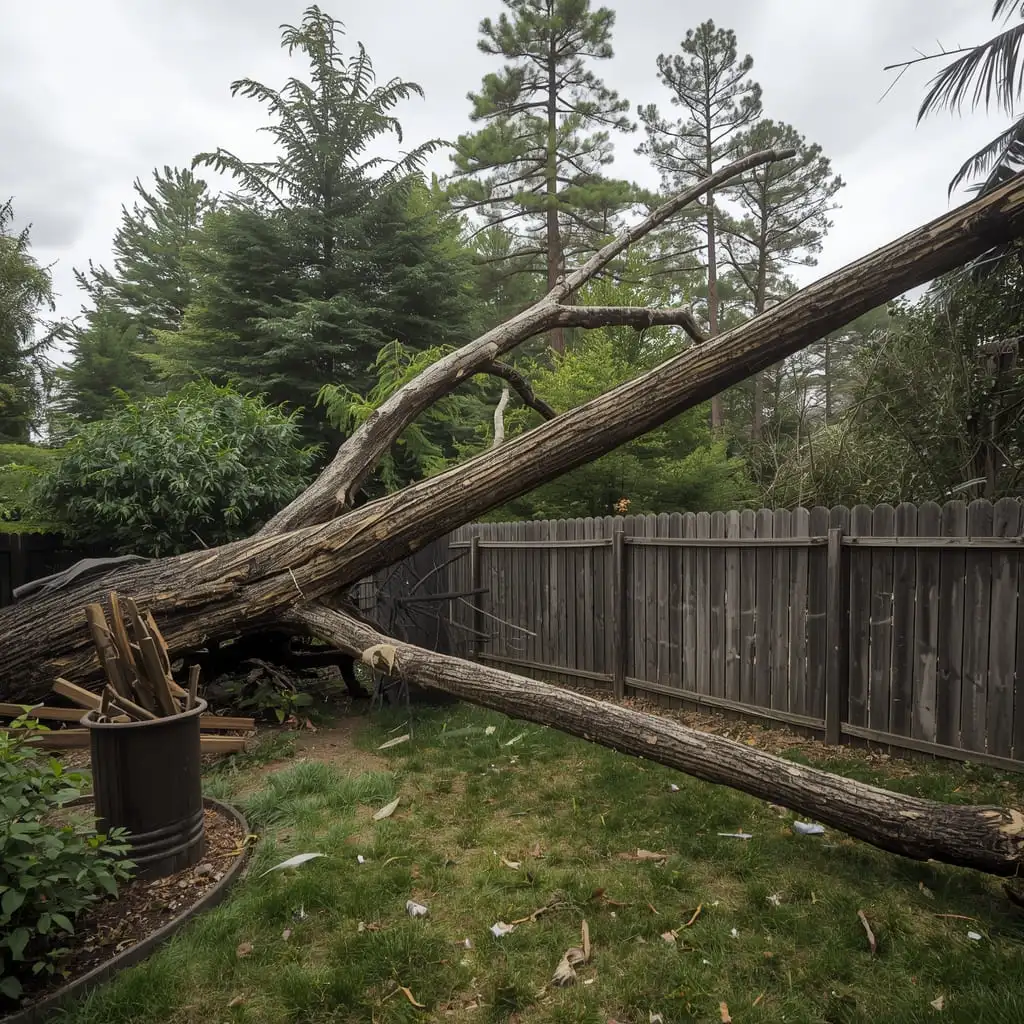
Tree Removal Cost Calculator for Emergency Jobs
After a storm, everything costs more. That is just the reality of emergency tree removal. Crews are in high demand, working long hours, and taking on high-risk jobs. The tree removal cost calculator includes an emergency or storm damage option so you can see what surge pricing looks like.
A tree that would normally cost $900 to remove might run $1,800 to $2,500 as an emergency job. If the tree has fallen on your car or roof, that urgency premium is worth it. If the tree is just leaning but not an immediate danger, you can schedule a standard removal within a few days and save significantly.
Tree Removal Cost Calculator With Stump Removal
Removing the tree is only half the job if you also want the stump gone. Most tree removal quotes do not include stump grinding or stump removal by default. You have to add it.
Stump grinding is the most common option. A stump grinder chews the stump down several inches below ground level. The remaining wood chips can be used as mulch. This typically costs $100 to $400 depending on stump diameter.
Full stump removal pulls out the entire root system. This is more disruptive but necessary if you want to plant something in that spot or do significant landscaping. Full removal can cost $300 to $700 or more for large stumps.
Per inch pricing is also common. Some companies charge $2 to $5 per inch of stump diameter. A 20-inch stump would run $40 to $100 at that rate, though most charge a minimum fee regardless.
Use the tree removal cost calculator to see total cost including stump removal before you call anyone.
How to Save Money on Tree Removal
Tree removal does not have to break the bank. Here are practical ways to keep costs down:
Get at least three quotes. Prices can vary by hundreds of dollars for the same job. Three quotes give you a real market rate for your area.
Schedule during the off-season. Winter is slower for tree companies in most regions. You may get a better rate from November through February when demand is lower.
Bundle multiple trees. If you have two or three trees to remove, doing them all at once is cheaper per tree than separate trips.
Keep the wood. Many companies will discount the job if you keep the logs. They save on hauling costs and pass some of that back to you.
Handle cleanup yourself. If you can haul brush and debris yourself, tell the company upfront. Removing cleanup from the quote can save $100 to $300.
Avoid emergency timing. If the situation allows it, waiting a few days instead of requesting same-day service can save you a lot of money.
Check for city programs. Some municipalities offer low-cost or free removal for trees in rights of way or that pose a public hazard. Call your city before spending money.
Always run the numbers through the tree removal cost calculator before calling, so you know what a fair price looks like in your area.
When You Should Remove a Tree
Not every tree needs to come down. But some definitely do. Here are the signs that it is time to call a professional:
Leaning tree. A tree that has started leaning significantly is a structural problem. If it is leaning toward your house, car, or a neighbor’s property, get it assessed immediately.
Dead branches dropping. If large branches are falling on their own, the tree is in decline. Dead wood is unpredictable and dangerous.
Visible rot. Rot in the trunk, especially at the base, can hollow out a tree’s structure entirely. A tree can look healthy on the outside and be dangerously weak inside.
Root damage. Construction, drought, disease, or soil compaction can kill a tree’s root system. If a tree stops producing leaves on part of its canopy or looks generally stressed year after year, the roots may be failing.
Power line risk. A tree growing into power lines is a fire and safety hazard. This is not a wait-and-see situation.
Disease or pest infestation. Some tree diseases and pest infestations are treatable. Others are fatal and can spread to neighboring trees. An arborist can tell you which situation you are in.
When any of these signs show up, use the tree removal cost calculator to understand your budget, then call a licensed arborist for an in-person evaluation.
DIY vs Professional Tree Removal
You can find plenty of videos online showing people cutting down trees with a chainsaw. What those videos do not show is how many things can go wrong.
Why DIY tree removal is risky:
For trees under 15 feet with no obstacles nearby, DIY may be reasonable if you have some experience and proper safety equipment.
For anything larger, please hire a licensed tree removal company. The tree removal cost calculator will show you that professional removal is often more affordable than people assume, especially when you factor in the risk of doing it yourself.
How to Choose a Tree Removal Company
Not all tree services are created equal. Here is what to look for before you hire anyone:
Licensed and insured. This is non-negotiable. Ask for proof of general liability insurance and workers compensation. If a worker gets hurt on your property and the company is not insured, you could be liable.
ISA certified arborist on staff. The International Society of Arboriculture certifies professionals who know trees, not just chainsaws. A certified arborist is a sign the company takes the work seriously.
Written quote. Get everything in writing. Scope of work, price, what is included, and when they will clean up. Do not accept verbal agreements.
References and reviews. Check Google reviews and ask for references from recent jobs. A company that does good work will have no problem providing them.
Cleanup included. Confirm what happens to the wood and debris. Is it hauled away? Left in a pile? Are you responsible for grinding the stump?
Proper equipment. A professional crew will have a wood chipper, proper climbing gear, safety equipment, and in many cases a bucket truck or crane for large trees.
Use the tree removal cost calculator to establish your budget, then use this checklist when evaluating companies.
Why Tree Removal Quotes Can Be Different
You call three companies. You get quotes of $600, $950, and $1,500. Why are they so different?
Different cost structures. Some companies have lower overhead because they operate with smaller crews or older equipment. Others invest in insurance, training, and better gear.
Different scope. Read each quote carefully. The $600 quote might not include stump removal or cleanup. The $1,500 quote might include everything plus a second visit.
Experience level. Newer or less experienced companies sometimes underbid to get jobs. That can mean slower work, shortcuts, or less accountability if something goes wrong.
Demand and scheduling. Busy companies charge more because they can. A company with a three-week backlog is in a different position than one with open slots this week.
Risk assessment. A tree near your home or near power lines will be priced differently by different crews based on their equipment and comfort level with complex jobs.
This is exactly why using the tree removal cost calculator before calling anyone gives you such an advantage. You know what the fair range is.
Final Thoughts
Tree removal is one of those things that seems straightforward until you are standing in your yard looking at a quote that feels way too high or weirdly too low. Prices vary for real reasons, and understanding those reasons gives you control.
Before you call anyone, before you agree to anything, use the tree removal cost calculator on this page. It takes about two minutes, it costs you nothing, and it gives you an honest estimate based on your tree’s actual size, type, and location. That number becomes your anchor. Every quote you get from a local pro gets measured against it.
Then when you do hire someone, you are not guessing. You are hiring from a position of knowledge, and that almost always leads to a better deal and a smoother job. Before hiring anyone, it is a good idea to verify their credentials. The International Society of Arboriculture (ISA) is the global authority on tree care standards and lets you check whether a contractor holds a legitimate certified arborist credential.
The tree removal cost calculator is here to help you do exactly that. Use it today.
Frequently Asked Questions
Most homeowners pay between $300 and $3,000 depending on tree size, location, and services included. The national average lands around $700 to $1,200. Use the tree removal cost calculator on this page to get a range specific to your situation.
Usually not. Most tree removal quotes cover cutting the tree down and hauling the debris. Stump grinding or stump removal is typically a separate add-on. Always ask before you sign.
It depends on your city or county. Some areas require permits for trees over a certain size or for protected species. Your tree removal company should know local rules. Permit fees generally run $25 to $200.
A small tree can be done in an hour or two. A large, complex removal can take a full day or more with a full crew. Very large trees near structures may take multiple days.
For very small trees with no obstacles nearby, it is possible. For anything over 20 to 25 feet or near a structure, power line, or fence, the risk is not worth it. Hire a licensed professional and use the tree removal cost calculator to see that it is often more affordable than expected.
A 50-foot tree falls in the medium to large range. Expect to pay $700 to $1,800 depending on tree type, access, and your region. Oak trees on the taller end of that range will cost more than a pine or palm.
Contact your utility company first. They may handle the section directly touching the lines at no charge. A licensed tree service can remove the rest. Do not attempt any DIY work near active power lines.