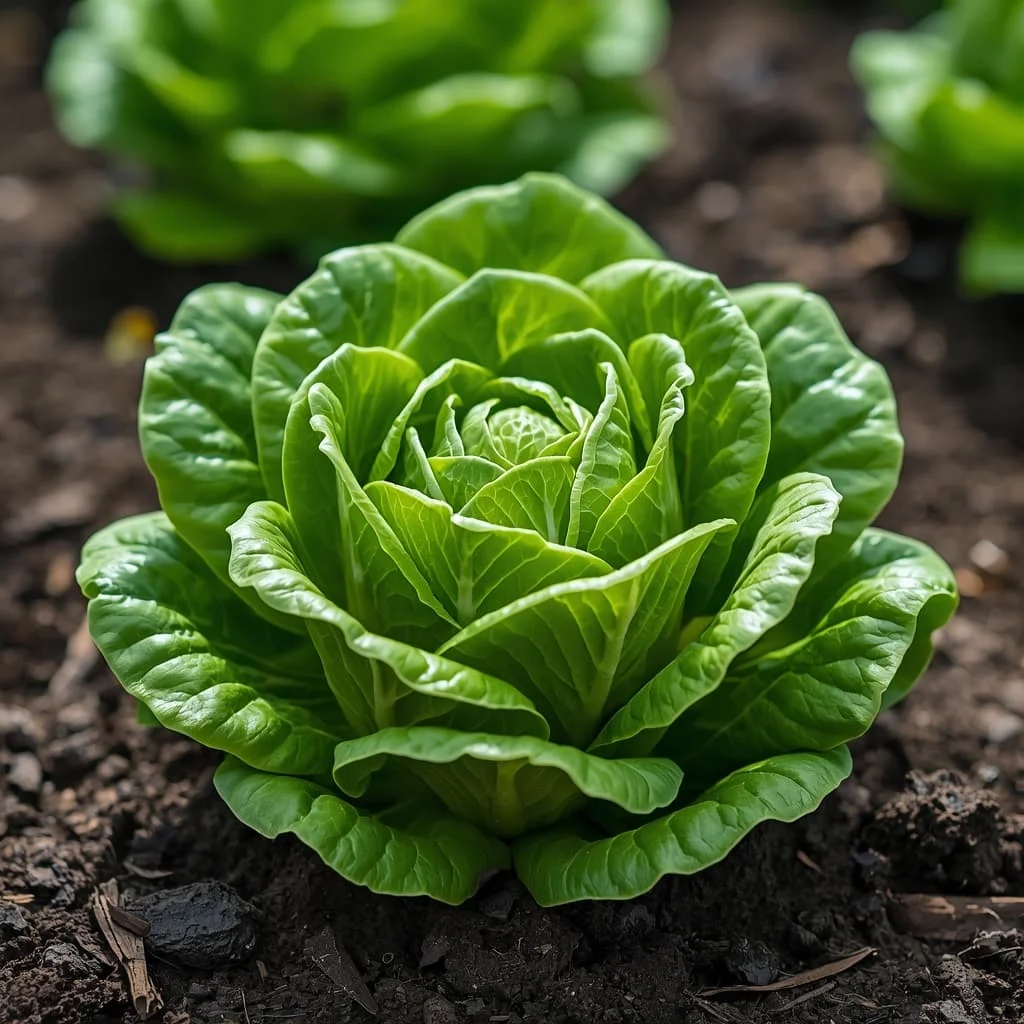
Lettuce Planting Guide
If you want to enjoy the freshest salads possible, following a professional Lettuce Planting Guide is the most effective way to transition from store-bought greens to a thriving backyard harvest. Lettuce is famously easy to grow, but a well-researched Lettuce Planting Guide will show you that timing and temperature are the real secrets to preventing bitter leaves.
By using a Lettuce Planting Guide, even a total beginner can master the art of “cut-and-come-again” harvesting, ensuring that a single row of seeds provides a continuous supply of tender greens for months.This Lettuce Planting Guide will help you navigate the diverse world of varieties, from crisp Romaine to buttery Loose-leaf types, each requiring slightly different care.
A high-quality Lettuce Planting Guide also highlights the importance of light and moisture; since lettuce has shallow roots, a Lettuce Planting Guide is essential for learning how to keep the soil consistently damp without drowning the delicate seedlings.
Whether you are planting in a large garden bed or a small balcony pot, this Lettuce Planting Guide provides the foundational steps to ensure your leaves stay sweet, crunchy, and bolt-free.Beyond the initial sowing, a comprehensive Lettuce Planting Guide offers advanced tips on succession planting—the practice of sowing new seeds every two weeks.
Every reliable Lettuce Planting Guide identifies this as the best strategy for avoiding a “harvest glut” and keeping your kitchen stocked all season long. By the time you finish this Lettuce Planting Guide, you’ll have the expertise to manage pests like slugs and aphids, ensuring that your Lettuce Planting Guide results in a beautiful, edible landscape that is as ornamental as it is delicious.
Types of Lettuce
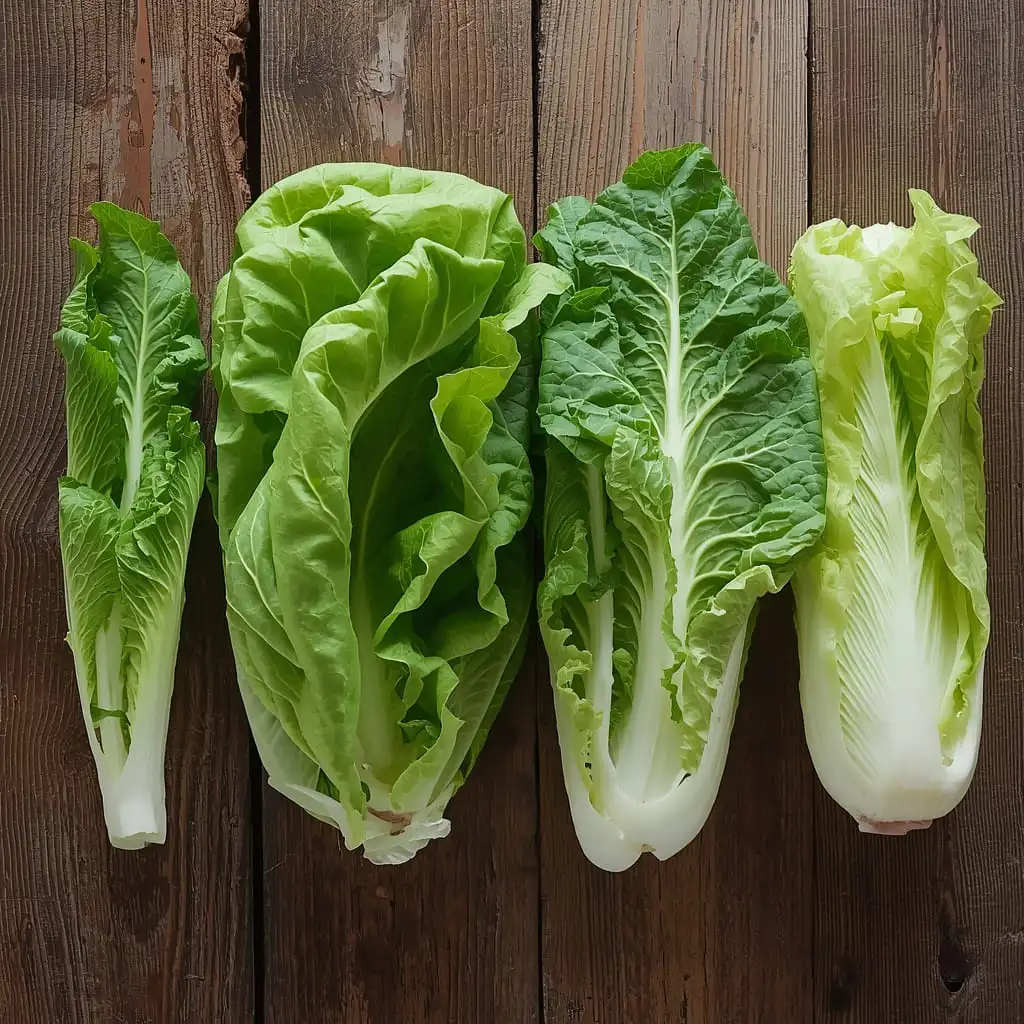
Before you start planting lettuce seeds, it helps to know the different types. Each one has its own taste, texture, and growing style. Picking the right type for your needs makes a big difference.
Leaf Lettuce
Leaf lettuce is the most common type for home gardens. It grows in loose, open leaves instead of forming a tight head. You can pick leaves as you need them, and the plant keeps growing back. This makes it great for beginners who want a steady harvest over a long time. Colors range from bright green to deep red.
Romaine Lettuce
Romaine is the tall, upright lettuce you often see in Caesar salads. It forms a long, narrow head with thick, crunchy leaves. Romaine takes a bit longer to grow than leaf lettuce, but the flavor is worth the wait. It also holds up well in heat compared to other types, which is helpful in warmer climates.
Butterhead Lettuce
Butterhead lettuce, sometimes called Boston or Bibb lettuce, forms soft, round heads with tender leaves. The leaves have a mild, slightly sweet taste and a buttery texture — which is how it got its name. It is a favorite for people who prefer a gentle flavor. It grows well in cooler weather and does not handle heat as well as romaine.
Crisphead (Iceberg)
Iceberg lettuce is the firm, round head you find in most grocery stores. It has a crunchy texture and a mild flavor. Iceberg takes the longest to grow and needs more care than the other types. It prefers cooler temperatures and needs consistent watering to form a good head. For beginners, it is often better to start with leaf or butterhead lettuce first.
Best Time to Plant Lettuce
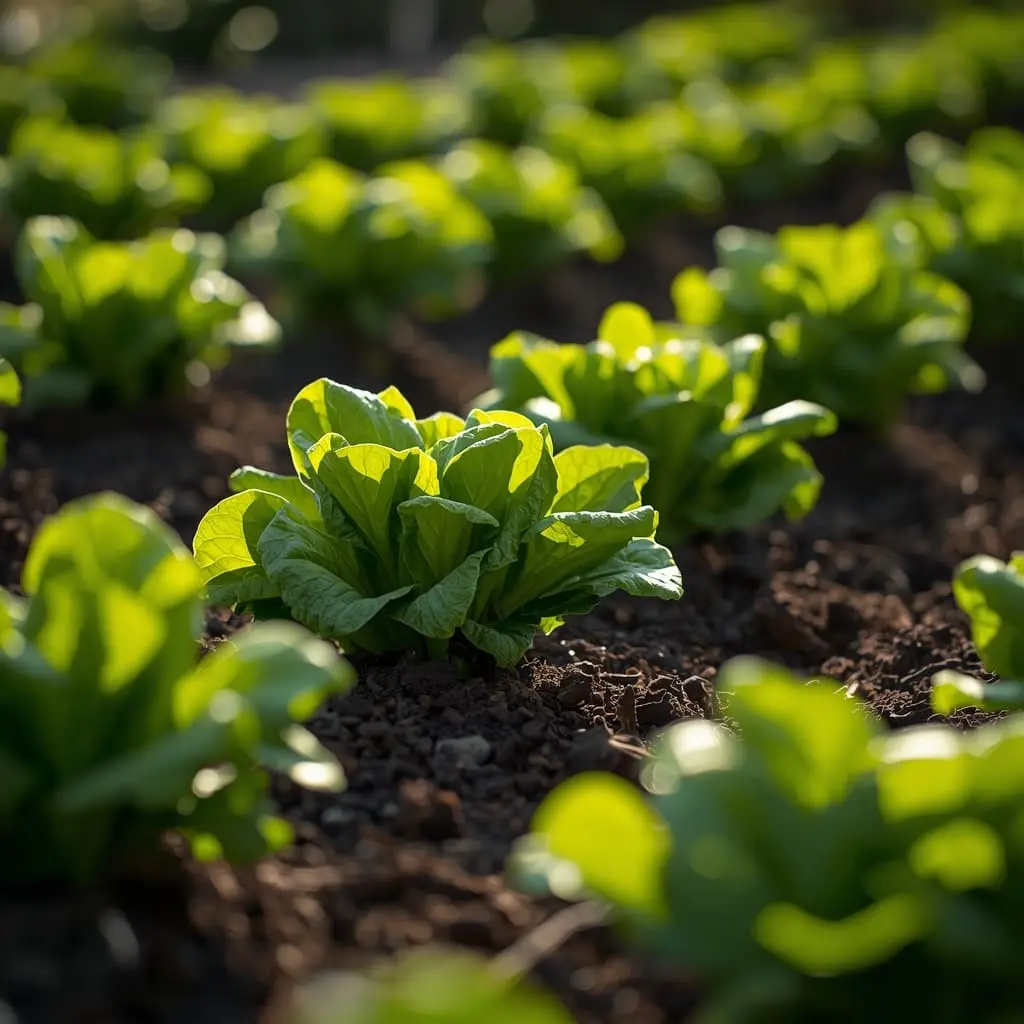
Knowing when to plant is just as important as knowing how to plant. Lettuce is a cool-season crop, which means it grows best when the weather is mild — not too hot, not too cold.
Seasons
The best times to plant lettuce are spring and fall. In spring, start planting a few weeks before the last frost date in your area. In fall, plant about 6 to 8 weeks before the first expected frost. This gives the plants enough time to mature before cold weather sets in.
You can also grow lettuce in winter in mild climates or indoors under grow lights. In hot climates, summer growing is difficult because lettuce tends to bolt (more on that later).
Temperature Needs
Lettuce grows best when temperatures stay between 45°F and 75°F (7°C to 24°C). It can handle a light frost, which actually makes the leaves taste slightly sweeter. But once temperatures climb above 80°F (27°C) consistently, the plant starts to struggle. High heat causes bitterness and bolting.
If you live somewhere with a short cool season, look for “heat-tolerant” varieties that can handle warmer conditions a little better.
Choosing the Right Location
Lettuce is flexible, but giving it the right spot to grow makes a noticeable difference in how well it does.
Sunlight Needs
Lettuce needs about 4 to 6 hours of sunlight per day. Unlike many vegetables, it does not need full sun all day. In fact, some afternoon shade is helpful in warmer months because it keeps the soil cool and slows down bolting. A spot that gets morning sun and afternoon shade is often ideal.
If you are growing lettuce indoors or in a space with low light, a grow light set to run for 12 to 14 hours a day can work well.
Soil Type
Lettuce likes loose, well-draining soil that holds some moisture without staying soggy. Heavy clay soil can cause roots to rot, while very sandy soil dries out too fast. A loamy soil with good organic matter is the sweet spot. Aim for a soil pH between 6.0 and 7.0 — slightly acidic to neutral.
Preparing the Soil
Good soil preparation is one of the most important lettuce growing tips you can follow. Healthy soil means healthy plants.
Soil Mix
Loosen the soil to about 8 to 10 inches deep before planting. This lets roots spread easily and improves drainage. If your soil is hard or compacted, break it up with a garden fork or tiller. Remove any rocks, weeds, or large clumps.
A good all-purpose mix is two parts garden soil, one part compost, and one part perlite or coarse sand for drainage.
Compost
Adding compost to your soil is one of the best things you can do for lettuce. Compost feeds the plants naturally, improves soil texture, and helps hold the right amount of moisture. Mix 2 to 3 inches of compost into the top layer of soil before planting. If you do not have homemade compost, bagged compost from a garden store works just as well.
Drainage
Poor drainage is one of the main reasons lettuce fails. Roots that sit in waterlogged soil will rot quickly. Make sure your garden bed is raised slightly or that water flows away naturally. If you are using containers, always use pots with drainage holes at the bottom.
How to Plant Lettuce Seeds
Planting lettuce seeds is simple. The key is not to overthink it. Here is a clear, step-by-step approach.
Spacing
- Leaf lettuce: Space seeds or seedlings about 6 inches apart
- Romaine and butterhead: Space them 8 to 10 inches apart
- Iceberg: Needs at least 12 inches between plants
- Between rows, leave 12 to 18 inches so you can walk between them easily
If you want a continuous harvest, try “succession planting” — sow a small batch of seeds every 2 weeks. This way, you always have fresh lettuce ready to pick.
Depth
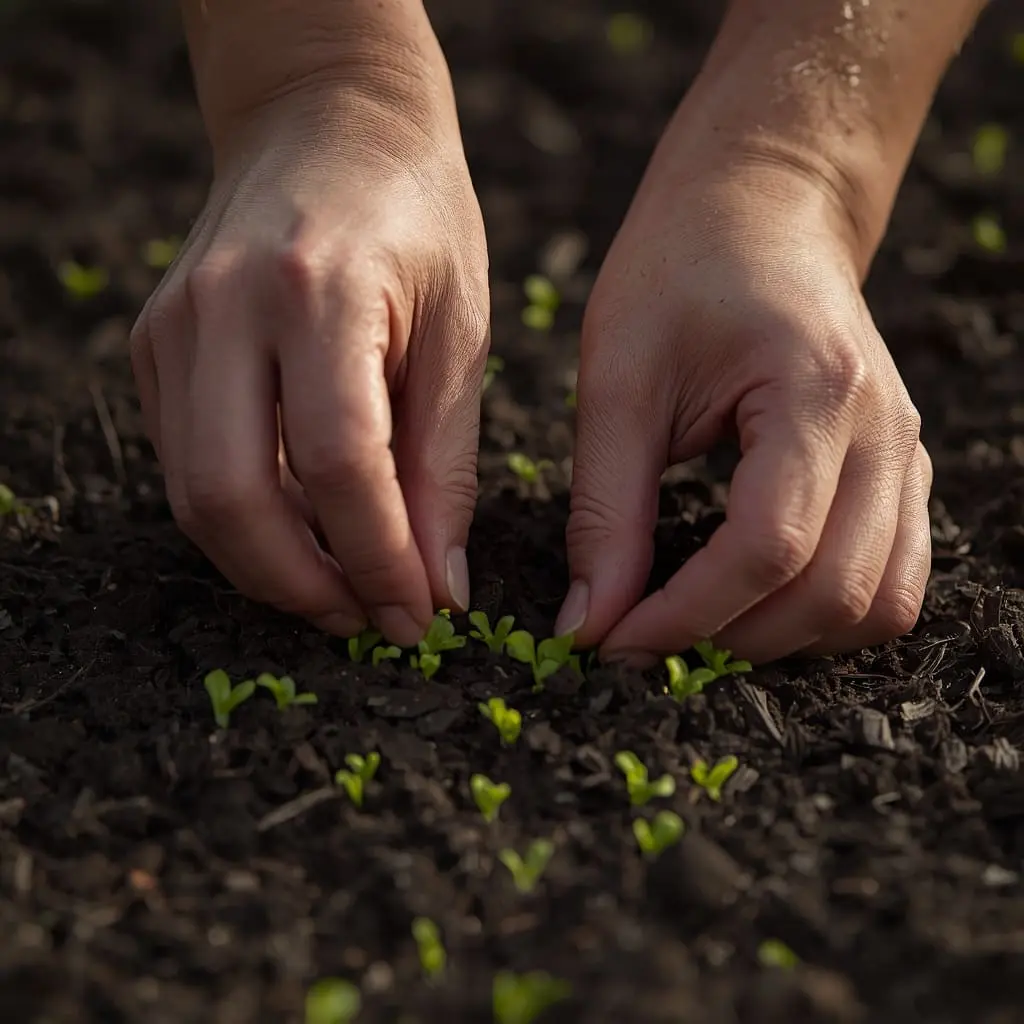
Lettuce seeds are tiny, and they need light to germinate. Plant seeds no more than ¼ inch deep — just barely cover them with a thin layer of soil. Press the soil gently over the seeds so there is good contact. If you plant too deep, the seeds may not sprout.
When starting seedlings indoors, press seeds gently onto the surface of a seed-starting mix and mist with water. Keep the tray in a warm, bright spot.
Watering After Planting
After planting lettuce seeds, water the area gently. Use a watering can with a gentle spray head or a mister to avoid washing the tiny seeds away. Keep the soil consistently moist until you see sprouts, which usually takes 5 to 10 days. Do not let the surface dry out completely during germination.
Free Garden Calculators for Accurate Planting & Harvest Planning
Growing Lettuce in Pots or Containers
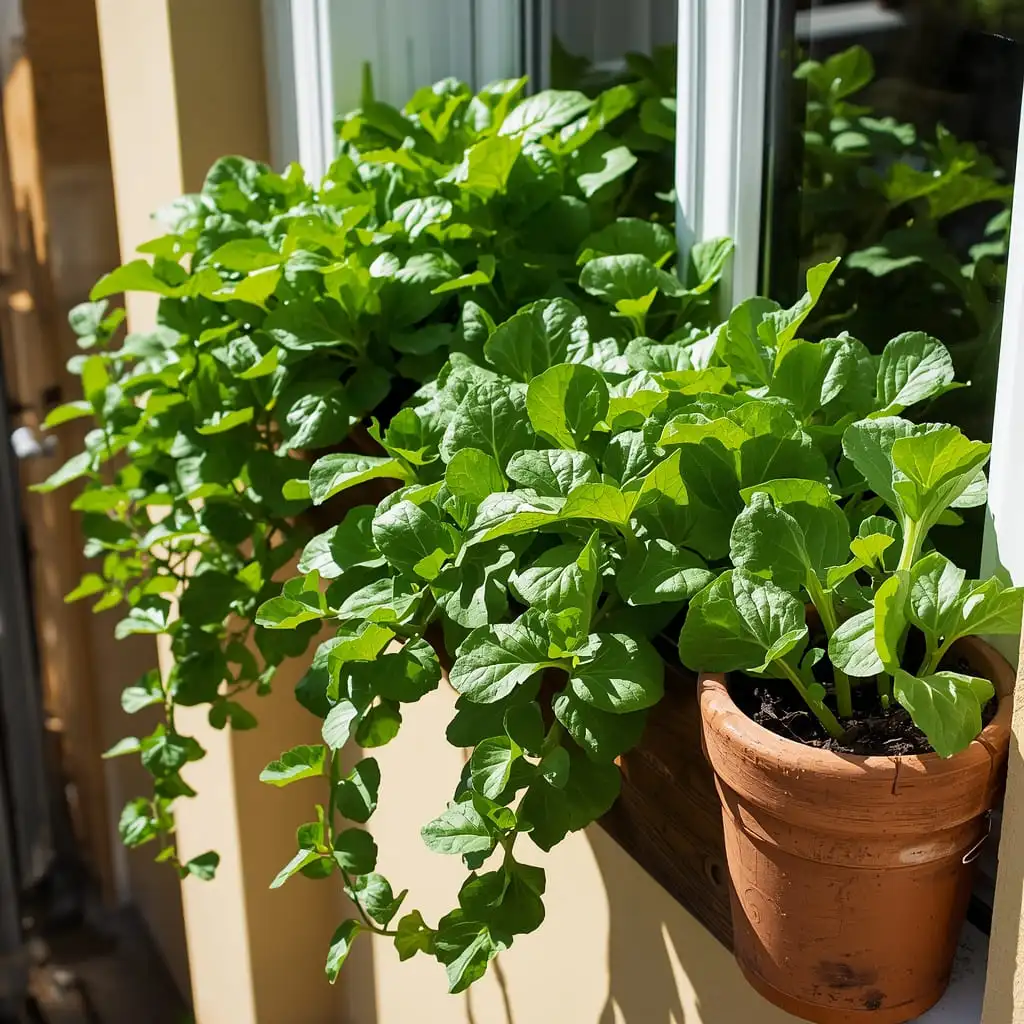
One of the great things about lettuce is that it grows really well in containers. This makes it a perfect choice for balconies, patios, small yards, or even windowsills.
Choose a container that is at least 6 to 8 inches deep. Lettuce has shallow roots, so it does not need a super deep pot. A wide, shallow pot or window box works perfectly for leaf lettuce. Make sure the container has drainage holes.
Use a good-quality potting mix — garden soil from the ground tends to compact too much in containers. Fill the pot, scatter seeds across the surface, press lightly, and water gently.
Container lettuce dries out faster than garden-grown lettuce, so check the soil daily and water whenever the top inch feels dry. You can also grow several different types in one large container for a colorful, mixed salad garden.
Watering Guide
Water is critical for lettuce. Since lettuce leaves are mostly water, the plant needs a steady supply to grow well and stay crisp.
Aim to give your lettuce about 1 inch of water per week, either from rainfall or manual watering. In hot or dry weather, you may need to water more often. In cool, rainy weather, you may need to water less.
The best time to water is in the morning. This gives the leaves time to dry out during the day, which reduces the risk of disease. Try to water at the base of the plant rather than from above to keep the leaves dry.
Avoid letting the soil dry out completely between waterings. Dry spells stress the plants and can trigger bolting or bitter-tasting leaves. But also avoid overwatering — soggy soil causes root rot.
Mulching around your plants with straw or shredded leaves helps hold moisture in the soil and keeps roots cool, which is especially useful in warm weather.
Fertilizing Tips
Lettuce is a fast grower, and it benefits from a bit of extra nutrition to keep up that growth.
Start with compost worked into the soil before planting — this gives the plant a good foundation. About two to three weeks after planting, apply a balanced liquid fertilizer (like a 10-10-10 or similar) or one that is slightly higher in nitrogen. Nitrogen helps leafy greens grow big, lush leaves.
Do not over-fertilize. Too much fertilizer — especially too much nitrogen — can make the leaves taste bitter. Follow the instructions on the fertilizer package and do not apply more than recommended.
If you prefer an organic approach, fish emulsion or liquid seaweed fertilizer both work well for lettuce and are gentle on the plants.
Common Problems and Solutions
Even with the best care, lettuce can run into a few issues. Here is what to watch for and how to handle it.
Pests
The most common pests on lettuce include:
- Slugs and snails – These chew ragged holes in the leaves, usually overnight. Set out beer traps, use diatomaceous earth around the plants, or handpick them in the evening.
- Aphids – Tiny insects that cluster on the undersides of leaves. Spray them off with a strong jet of water or use insecticidal soap.
- Caterpillars and cutworms – These chew through stems and leaves. Pick them off by hand or use a natural Bt (Bacillus thuringiensis) spray.
- Leaf miners – These leave winding trails inside the leaves. Remove affected leaves and use row covers to prevent future damage.
Diseases
- Downy mildew – Shows up as yellow patches on top of leaves with gray fuzz underneath. Improve air circulation and avoid overhead watering. Remove infected leaves right away.
- Bottom rot – A bacterial problem that causes the bottom leaves to turn slimy. It is usually caused by overwatering or poor drainage. Fix drainage and let the soil dry slightly between waterings.
- Tip burn – Brown, crispy edges on the inner leaves. This is usually caused by calcium deficiency or inconsistent watering. Water more evenly and make sure soil drainage is good.
Bolting
Bolting is when lettuce sends up a tall flower stalk. Once a plant bolts, the leaves turn bitter and the plant is basically done producing. Bolting is triggered by high heat and long days.
To prevent bolting:
- Plant during cooler seasons (spring or fall)
- Choose bolt-resistant varieties
- Give plants afternoon shade in warm weather
- Harvest regularly to delay the process
Once you see a plant starting to bolt, harvest everything you can from it right away before the flavor turns.
When and How to Harvest Lettuce
Harvesting at the right time gives you the best flavor and texture. The good news is that lettuce is very forgiving — you can start picking leaves early or wait for the full head to form.
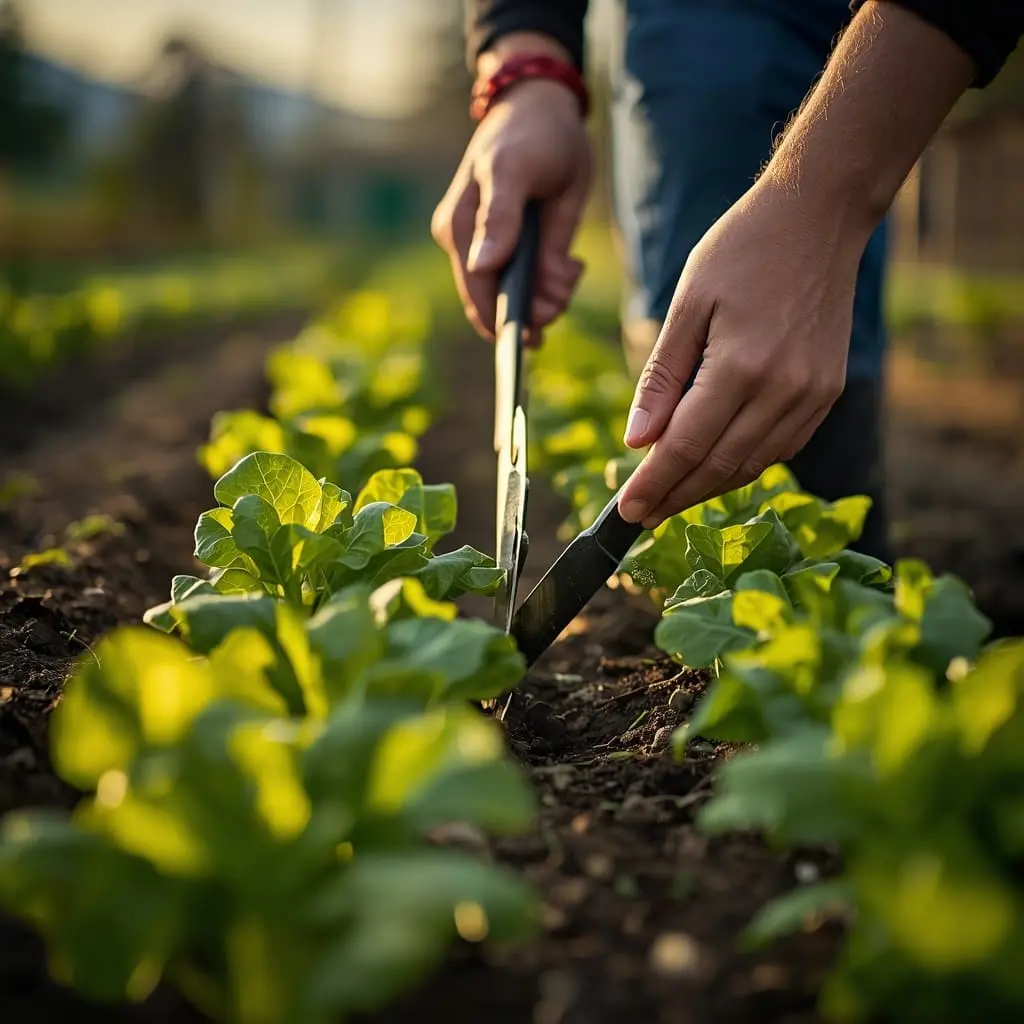
For leaf lettuce, you can start harvesting once the leaves are about 4 to 6 inches tall. Use scissors or a sharp knife and cut the outer leaves first, leaving the center to keep growing. This “cut-and-come-again” method lets you harvest from the same plant many times.
For head lettuce (romaine, butterhead, iceberg), wait until the head feels firm when you squeeze it gently. Cut the whole head at the base with a sharp knife. You can sometimes get a second, smaller head to regrow from the base after cutting.
Always harvest in the morning when leaves are full of moisture and taste the best. Avoid harvesting in the heat of the day — leaves will be limp and dry out faster.
Storage Tips After Harvest
Fresh lettuce does not last long at room temperature. Follow these tips to keep it crisp and fresh as long as possible.
- Rinse and dry – Wash the leaves in cold water and spin them dry in a salad spinner or gently pat dry with a clean towel.
- Wrap in a paper towel – Place the dry leaves in a container or zip-lock bag with a dry paper towel inside. The towel absorbs excess moisture and prevents wilting.
- Store in the fridge – Keep lettuce in the crisper drawer of your refrigerator. Most types will stay fresh for 5 to 7 days.
- Do not freeze – Lettuce does not freeze well. It turns mushy and loses all texture when thawed.
- Keep away from fruits – Store lettuce away from apples, pears, and bananas. These fruits release ethylene gas, which causes lettuce to brown and wilt faster.
If your lettuce has gone a bit limp, you can revive it by soaking the leaves in ice water for 15 to 20 minutes. They will often crisp right back up.
Conclusion
Wrapping up your journey toward a greener lifestyle starts with a reliable Lettuce Planting Guide that simplifies the transition from seed to salad bowl. When you commit to a Lettuce Planting Guide, you aren’t just growing food; you are mastering the art of timing and temperature to ensure your harvest remains sweet and crisp.
Many beginners struggle with bitterness or bolting, but by following a Lettuce Planting Guide, you can avoid these common pitfalls and enjoy a continuous supply of fresh greens. A high-quality Lettuce Planting Guide emphasizes that consistency is the secret to success—especially when it comes to moisture and thinning your rows.
For a deeper dive into the technical side of soil preparation and pest management, I recommend exploring the Oregon State University Extension’s Guide to Growing Lettuce and Greens. This academic resource provides professional insights into moisture requirements and organic slug control methods, helping you maintain a healthy garden without the bias of commercial retailers.
The more you refer back to a Lettuce Planting Guide, the more confident you will become in practicing succession planting for a never-ending harvest. Whether you are growing in a large backyard plot or a compact balcony container, a proper Lettuce Planting Guide ensures that every square inch of your garden is productive and healthy.
In the end, the success of your edible garden hinges on the foundational steps found in a Lettuce Planting Guide. By respecting the plant’s need for cool weather and providing light shade during the heat of the day, you transform a tiny seed into a lush, vibrant crop. Stick to the principles of a professional Lettuce Planting Guide, and you will experience the unmatched flavor and nutrition of homegrown lettuce all season long.
Frequently Asked Questions
Most leaf lettuce varieties are ready to harvest in about 30 to 45 days from planting. Head lettuce types like romaine and iceberg take longer — usually 60 to 80 days. Warmer temperatures can speed things up or cause bolting, while cooler weather slows growth slightly.
Yes, absolutely. Lettuce grows well indoors near a sunny window or under a grow light. Use a wide, shallow container with good drainage, a quality potting mix, and make sure it gets at least 12 hours of light per day if using artificial lighting. Indoor lettuce may grow a little slower but works great year-round.
Bitterness in lettuce is almost always caused by heat or stress. When temperatures rise above 75–80°F (24–27°C), the plant starts producing compounds that make the leaves taste bitter. Bolting also causes bitterness. To prevent it, grow lettuce in cooler seasons, provide afternoon shade, and harvest regularly.
Lettuce prefers consistently moist soil — not wet, not dry. In average conditions, watering every 2 to 3 days is usually enough. In hot or dry weather, you may need to water daily. Always check the top inch of soil — if it feels dry, it is time to water. Mulching around the base of plants helps the soil hold moisture longer.
Once a lettuce plant bolts, it is done and the leaves become too bitter to eat. Pull up the bolted plant and compost it. You can then replant with fresh seeds or seedlings. To avoid gaps in your harvest, practice succession planting — sow small batches of seeds every couple of weeks so you always have young plants coming along.