How to Start a Vegetable Garden: The Complete Beginner’s Guide
So you want to know how to start a vegetable garden. Maybe you’ve been thinking about it for a while, or maybe you just decided today. Either way, you’re in the right place.
A lot of beginners feel overwhelmed when they first try to figure out how to start a vegetable garden. There’s so much advice out there — and most of it is confusing, contradictory, or written for people who already know what they’re doing.
This guide is different. It’s written for complete beginners, step by step, in plain language. Whether you have a big backyard, a small patio, or just a few containers on a balcony — learning how to start a vegetable garden doesn’t have to be complicated.
By the end of this guide, you’ll know exactly how to start a vegetable garden the right way — what to do, when to do it, and how to avoid the most common beginner mistakes.
How to Start a Vegetable Garden — Quick Answer
If you’re short on time, here are the 6 core steps to start a vegetable garden:
- Pick the right location — choose a spot with at least 6–8 hours of direct sunlight per day.
- Decide your garden type — raised bed, in-ground, or containers.
- Prepare your soil — add compost and mix well before planting.
- Plan your garden layout — decide what vegetables to grow and where.
- Plant seeds or seedlings — follow spacing and depth guides.
- Water, maintain, and harvest — water consistently, control weeds, and pick at peak ripeness.
Now let’s go through each step in depth so you understand exactly how to start a vegetable garden the right way.
Why Start a Vegetable Garden?
Before diving into the how-to, it’s worth spending a moment on the why. Most people who learn how to start a vegetable garden and stick with it long-term do so because the rewards are real and personal — not just theoretical.
1. Fresh, Healthier Food
Store-bought vegetables travel hundreds of miles before reaching your plate. By the time they arrive, many nutrients are already depleted. When you grow your own food at home, you pick it fresh and eat it the same day. The taste difference is remarkable.
2. Save Real Money
A single tomato plant can produce 10–20 pounds of fruit in one season. That’s a massive return on just a few dollars of seeds. Many families who learn how to start a vegetable garden find it saves them $500–$1,200 per year on grocery bills.
3. Full Control Over What You Eat
When you start a vegetable garden, you decide everything. No mystery pesticides, no hidden chemicals. You control the soil, the seeds, and the process from start to finish.
4. Mental Health Benefits
Gardening has been scientifically linked to lower stress and anxiety. Getting your hands in the soil, watching things grow — it has a calming, grounding effect that many gardeners describe as therapeutic.
5. Great for the Whole Family
A vegetable garden at home is a powerful teaching tool for kids. They learn where food comes from, how to care for living things, and the satisfaction of patience and hard work.
Step-by-Step Guide: How to Start a Vegetable Garden
Here is everything you need to know about how to start a vegetable garden, broken into clear and manageable steps. Follow these in order and your vegetable garden will have the best possible start.
Step 1 — Choose the Right Location
This is the single most important decision when you learn how to start a vegetable garden. The wrong location will cause your plants to struggle no matter how good your soil is.
Sunlight: Vegetables need at least 6–8 hours of direct sunlight each day. Most fruiting crops — tomatoes, peppers, cucumbers — need 8 hours or more. Leafy greens like spinach and lettuce can handle 4–6 hours.
Spend one full day watching where the sun hits your yard. Track it from morning to evening. The sunniest, most open spot is where your vegetable garden should go.
Water Access: You’ll be watering your vegetable garden regularly, especially in summer. Pick a spot close to a hose or water source. Carrying water across the yard every day will burn you out fast.
Flat, Open Ground: Flat ground is easier to work with and keeps water from running off. Avoid planting too close to large trees — their roots compete for nutrients and their canopy blocks sunlight.
Real-Life Example: If you have a small backyard in the USA with a fence on the south side, don’t plant right against it. The fence will shade your vegetable garden in the afternoon. Move your beds 6–8 feet away from the fence.
Step 2 — Decide Your Garden Type
Choosing your garden type is one of the first decisions you’ll make when figuring out how to start a vegetable garden. There are three main options for beginners.
Raised Bed Gardening: The most beginner-friendly option. You fill the bed with fresh, high-quality soil. Drainage is excellent, weeds are easier to manage, and the soil warms up faster in spring for earlier planting. A 4×8 foot raised bed is the ideal starter size — you can reach the center from either side without stepping inside.
In-Ground Gardening: The traditional method — digging directly into your existing ground. It’s the lowest-cost option but requires more soil preparation. Best suited for people with a larger yard and decent natural soil.
Container Gardening: Perfect if you live in an apartment or have a small patio. You can start a vegetable garden in pots and still grow tomatoes, peppers, lettuce, herbs, and more. Use containers at least 12 inches deep for most vegetables.
Real-Life Example: If you live in a Chicago apartment, start a vegetable garden on your balcony using 5-gallon buckets. Cherry tomatoes, basil, and lettuce all thrive this way.
Here’s a quick comparison of each garden type:
| Garden Type | Cost | Difficulty | Best For | Space Needed |
| In-Ground | Low | Medium | Large yards | Lots |
| Raised Bed | Medium | Easy | Most beginners | Small-Medium |
| Container | Low-Medium | Very Easy | Apartments/Patios | Minimal |
| Square Foot | Medium | Easy | Small spaces | 4×4 ft minimum |
| Vertical Garden | Medium-High | Easy | Tiny spaces | Wall/Fence space |
Step 3 — Prepare Your Soil
One thing every expert agrees on when teaching how to start a vegetable garden: healthy soil is the foundation of everything. No matter how well you water and care for your plants, poor soil will limit your results.
What Good Soil Looks Like: Ideal vegetable garden soil is loose, dark, crumbly, and earthy-smelling. It drains water well but also holds moisture long enough for roots to absorb it. This texture is called loamy soil.
Soil pH: Most vegetables prefer a pH of 6.0–7.0. Test your soil with an inexpensive pH kit from any garden center. If it’s too acidic, add garden lime. If too alkaline, add sulfur.
Add Compost: Compost is the single best amendment you can add to a vegetable garden. It improves soil fertility, drainage, and structure all at once. Mix 2–4 inches of compost into the top 12 inches of soil before planting.
For Raised Beds: Fill with 60% topsoil, 30% compost, and 10% perlite or coarse sand. This blend drains perfectly and feeds plants consistently throughout the season.
Fertilizer: Compost gives a great nutritional base, but your vegetable garden will still benefit from supplemental feeding. Use a balanced fertilizer like 10-10-10 every 3–4 weeks during the growing season. Organic options like fish emulsion or bone meal also work well.
For trusted soil health guidance from the USDA:
Step 4 — Plan Your Vegetable Garden Layout
A little planning before you plant is a key part of knowing how to start a vegetable garden properly. A well-planned layout produces more food, has fewer pest problems, and is much easier to maintain.
Place Tall Plants Wisely: Tall crops like tomatoes and corn should go on the north side of your garden (in the Northern Hemisphere). This stops them casting shade over shorter plants that need full sun.
Spacing Matters: Every vegetable needs room to grow. Crowded plants compete for nutrients and airflow, which leads to disease. Always follow the spacing recommendations on seed packets or plant labels.
Try Companion Planting: Some vegetables grow better together. Basil planted near tomatoes helps repel pests. Carrots and onions are good neighbors. Beans fix nitrogen in the soil, which benefits nearby plants.
Use a Planting Calendar: To start a vegetable garden at the right time, you need to know your USDA planting zone and local frost dates. Cool-season crops like lettuce and broccoli go in early spring or fall. Warm-season crops like tomatoes and peppers go in after the last frost date. You can find your frost dates free at the Old Farmer’s Almanac website.
Step 5 — Choose the Right Vegetables to Grow
When people ask how to start a vegetable garden, one of the most common follow-up questions is: which vegetables should I grow? The answer for beginners is always the same — start simple.
Pick 3–5 beginner-friendly crops, learn them well, then expand next season. Here are the best vegetables for anyone starting a vegetable garden for the first time:
| Vegetable | Difficulty | Time to Grow | Yield | Best For |
| Tomatoes | Easy | 60–80 days | High | All climates |
| Lettuce | Very Easy | 30–45 days | Medium | Cool weather |
| Zucchini | Very Easy | 50–65 days | Very High | Warm summer |
| Green Beans | Easy | 50–60 days | High | Warm climates |
| Radishes | Very Easy | 22–30 days | Low-Medium | Any garden |
| Cucumbers | Easy | 50–70 days | High | Warm season |
| Kale | Easy | 55–75 days | Medium | Cool weather |
| Spinach | Easy | 40–50 days | Medium | Spring/Fall |
Start with whatever your family actually eats. There’s no point growing a vegetable garden full of kale if nobody in your house likes kale. Grow what you’ll enjoy harvesting and eating.
Step 6 — Planting: Seeds vs. Seedlings
One question beginners always have when learning how to start a vegetable garden is: do I use seeds or seedlings? Both work — here’s how to choose.
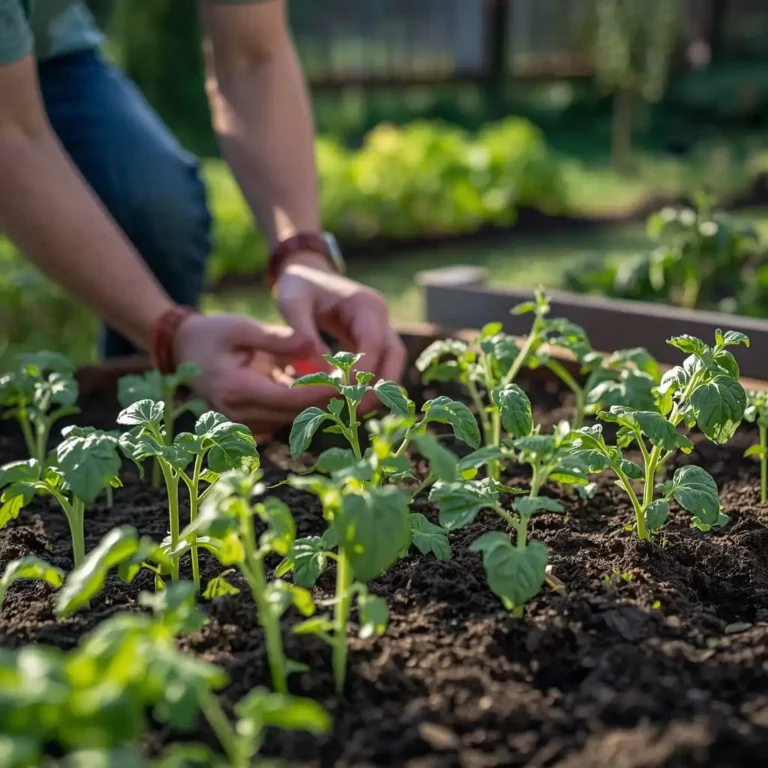
Seeds: Cheaper and offer more variety. Some vegetables must be sown directly — carrots, radishes, beans, and peas dislike being transplanted. For these, direct sow into your vegetable garden bed.
Seedlings: Young plants purchased from a garden center. More expensive, but they give you a 4–6 week head start. Tomatoes, peppers, and broccoli are typically bought as seedlings or started indoors 6–8 weeks before the last frost.
Planting Depth: A simple rule — plant seeds at twice their diameter. Tiny seeds like lettuce barely need covering. Large seeds like beans go about 1 inch deep.
Hardening Off: If you grew seedlings indoors, don’t move them straight into your vegetable garden. Give them 7–10 days to adjust by placing them outdoors for a few hours each day, gradually increasing their exposure. This prevents transplant shock.
Step 7 — Watering and Ongoing Maintenance
Watering is where knowing how to start a vegetable garden properly really pays off. More vegetable gardens fail from poor watering habits than any other cause.
How Much to Water: Most vegetable gardens need about 1 inch of water per week, including rainfall. In hot weather, you may need more.
How to Check Moisture: Push your finger 1 inch into the soil. If it’s dry at that depth, water. If it still feels moist, wait another day. This simple check saves plants from both overwatering and underwatering.
Best Time to Water: Water in the early morning. Leaves dry quickly in the sun, reducing the risk of fungal disease. Avoid watering in the afternoon heat — most water evaporates before the roots absorb it.
Drip Irrigation: A drip irrigation line delivers water directly to plant roots, dramatically cutting water waste. It also keeps foliage dry, which reduces disease. An excellent investment for any vegetable garden.
Mulch: Apply 2–3 inches of mulch — straw, wood chips, or shredded leaves — around your plants. Mulch retains moisture, suppresses weeds, and moderates soil temperature. It can cut watering frequency in half.
Weeding: Weeds steal nutrients, water, and light from your vegetable garden. Pull them young before they get established. Ten minutes of weeding twice a week is far easier than tackling a month’s worth at once.
Step 8 — Harvesting Basics
This is the reward for all your hard work. Knowing when and how to harvest keeps your plants productive all season.
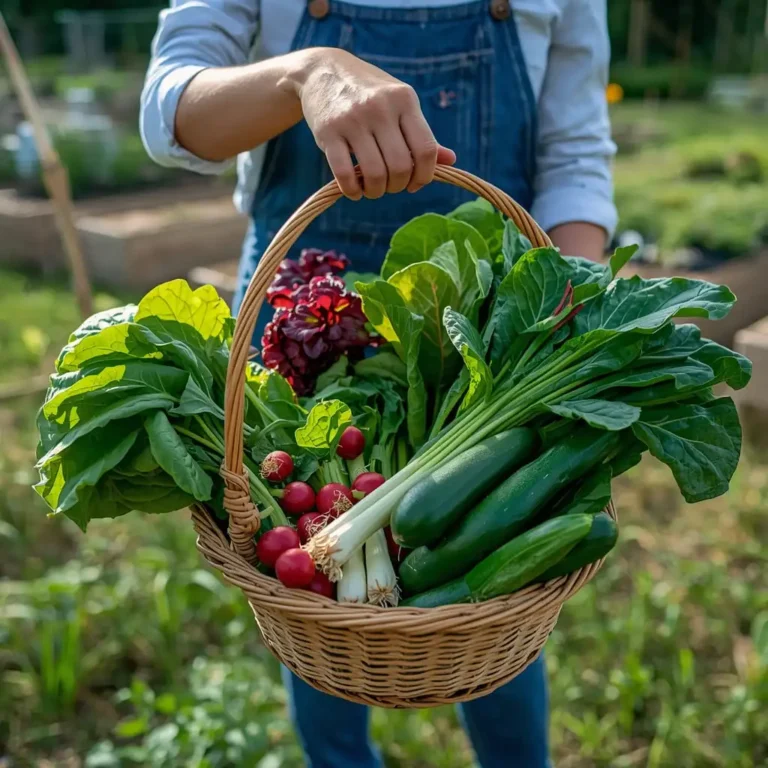
Harvest Frequently: Vegetables like zucchini, beans, and cucumbers must be picked regularly. Leaving them on the plant too long signals it to slow down production. The more you harvest, the more the plant produces.
Harvest in the Morning: Morning-picked vegetables are cooler, crisper, and last longer in storage. Flavor is also at its peak.
Signs of Readiness:
- Tomatoes — Fully colored, slightly soft when gently squeezed
- Zucchini — 6–8 inches long (overgrown zucchini becomes tough and seedy)
- Lettuce — Pick outer leaves at 4–6 inches; the center keeps growing
- Beans — Pods snap cleanly in half with no stringiness
- Cucumbers — Harvest before they turn yellow or oversized
Pro Tips for a Better Vegetable Garden
Once you start a vegetable garden and get the basics down, these practical tips will help you level up your results quickly. These aren’t generic advice — they’re the things experienced gardeners wish they’d known from day one.
Keep a Garden Journal: Write down what you plant, when you plant it, how much you harvest, and any problems you notice. This becomes your most valuable gardening tool. Next season, you’ll know exactly what to repeat and what to skip.
Test Your Soil First: Don’t guess. A basic soil test kit costs $10–$15 and tells you pH and nutrient levels. Many county extension offices offer free testing. Knowing your soil is the fastest way to stop wasting money on the wrong amendments.
Grow Vertically: Use trellises, cages, and fences to grow upward. Cucumbers, pole beans, and small squash all thrive on a trellis. Vertical growing saves space, improves airflow, and makes harvesting far easier in a small vegetable garden.
Rotate Crops Every Year: Don’t plant the same vegetable family in the same spot two years in a row. Crop rotation prevents soil diseases and pest buildup. A simple rule: move each crop family to a different bed each season.
Plant Flowers Nearby: Marigolds, nasturtiums, and zinnias attract bees and predatory insects that eat pests like aphids. This is free, natural pest control that also makes your vegetable garden look beautiful.
Succession Planting: Instead of planting all your lettuce at once, sow a small batch every 2–3 weeks. This simple strategy transforms how to start a vegetable garden from a one-time event into a continuous harvest system all season long.
Common Mistakes Beginners Make When Starting a Vegetable Garden
Mistake 1: Starting Too Big
This is the most common mistake people make when they first learn how to start a vegetable garden. Excitement leads to planting too much, then summer arrives and the maintenance becomes overwhelming.
Solution: Start with a 4×8 raised bed or 3–5 containers. Master the basics first, then expand your vegetable garden the following year.
Mistake 2: Overwatering
More plants die from overwatering than underwatering. Roots need oxygen as much as water. Waterlogged soil suffocates roots and causes rot.
Solution: Always check soil moisture before watering. Water deeply but less frequently — this trains roots to grow deeper and become more drought-tolerant.
Mistake 3: Skipping Soil Preparation
Planting directly into hard, compacted, or nutrient-poor soil is the fastest way to fail. No amount of watering or fertilizing will fix fundamentally bad soil.
Solution: Invest time in your soil before planting. Add compost, loosen the ground, and test pH. When you start a vegetable garden with great soil, the plants practically grow themselves.
Mistake 4: Planting at the Wrong Time
Putting tomatoes in the ground before the last frost date — a very common mistake — can destroy weeks of work in a single cold night.
Solution: Know your USDA planting zone and frost dates before you learn how to start a vegetable garden each season. Plant cool-season crops in spring and fall, warm-season crops after all frost risk has passed.
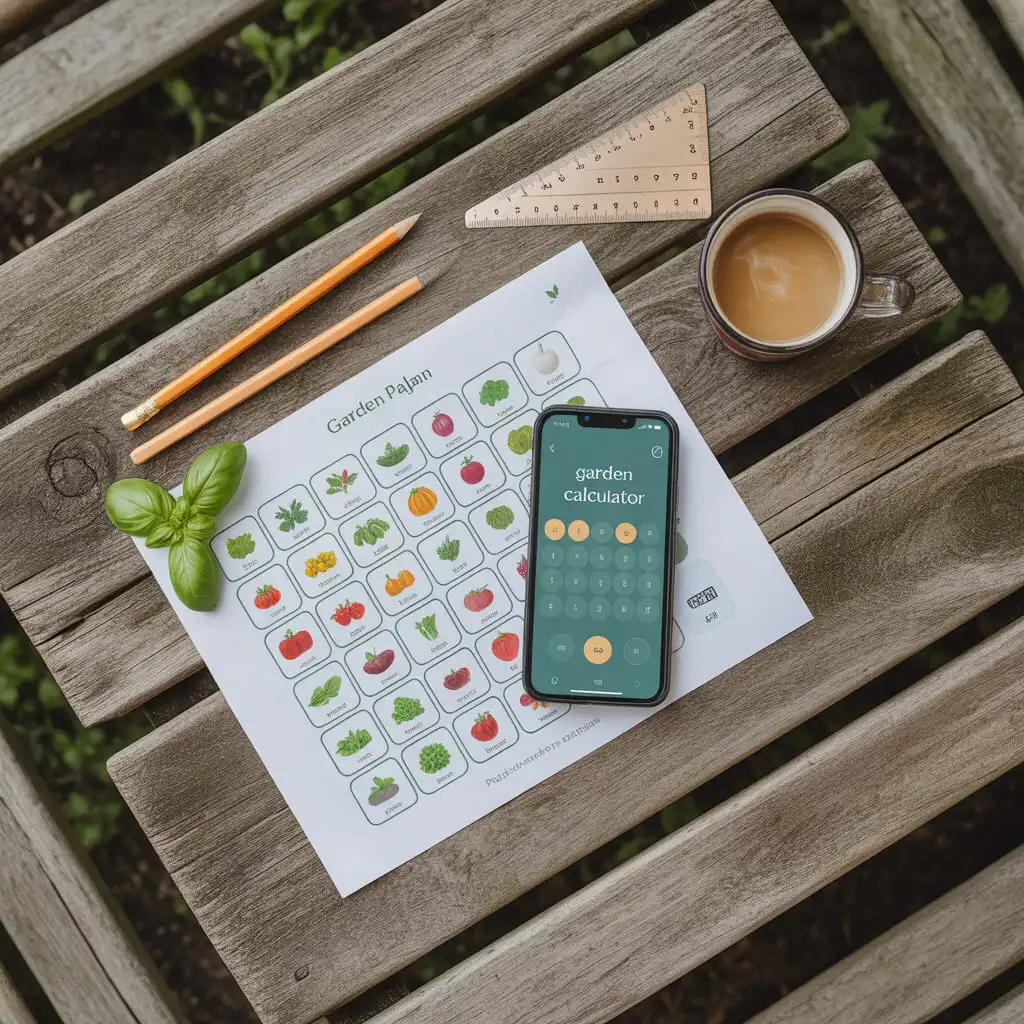
Try Our Free Calculators to improve your Gardening
Mistake 5: Ignoring Pests Until It’s Too Late
Pests can devastate a vegetable garden with surprising speed. Waiting until the damage is severe makes recovery much harder.
Solution: Walk through your vegetable garden every day. Check the undersides of leaves for eggs and insects. Early detection means simple solutions — a blast of water or hand-picking — rather than chemical treatments.
Mistake 6: Skipping Mulch
Many beginners skip this step thinking it’s unnecessary. Then they spend twice the time weeding and watering.
Solution: Mulch every bed right after planting. It’s one of the highest-impact things you can do for your vegetable garden and takes just a few minutes.
You’re Ready to Start a Vegetable Garden
Now you know exactly how to start a vegetable garden — from picking the right location and choosing your garden type, to preparing soil, planting, watering, and harvesting.
The most important thing is to actually get started. A small, imperfect vegetable garden that you plant today will teach you more than any article ever could. Every single person who knows how to start a vegetable garden well got there by doing it — not by reading about it.
Start small. Build good soil. Choose easy crops. Water consistently. And take notes — your future self will thank you.
Millions of people start a vegetable garden every year and discover one of the most rewarding hobbies of their lives. This season, you can be one of them. Now you have everything you need to know about how to start a vegetable garden — go make it happen.
Frequently Asked Questions About Starting a Vegetable Garden
Start seeds indoors 6–8 weeks before your last frost date. Check the USDA Plant Hardiness Zone Map for your area.
Radishes, lettuce, and zucchini are the easiest. They grow fast and need very little care.
Even a 4×4 ft raised bed is enough to start. A 10×10 ft in-ground garden can feed a small family.
Yes! Tomatoes, lettuce, herbs, and peppers all grow well in pots. Use containers at least 12 inches deep.
Water deeply 2–3 times per week. Stick your finger 1 inch into the soil — if it’s dry, water it.
Loamy soil rich in organic matter. Mix in compost for the best results. Aim for pH 6.0–7.0.
Fast crops like radishes take 3 weeks. Slower crops like tomatoes take 60–90 days. Plan accordingly.
Yes. Add compost before planting. Then feed with balanced fertilizer every 3–4 weeks during the growing season.