15 Best Soil for Vegetable Gardens Tips for Bigger and Healthier Harvests
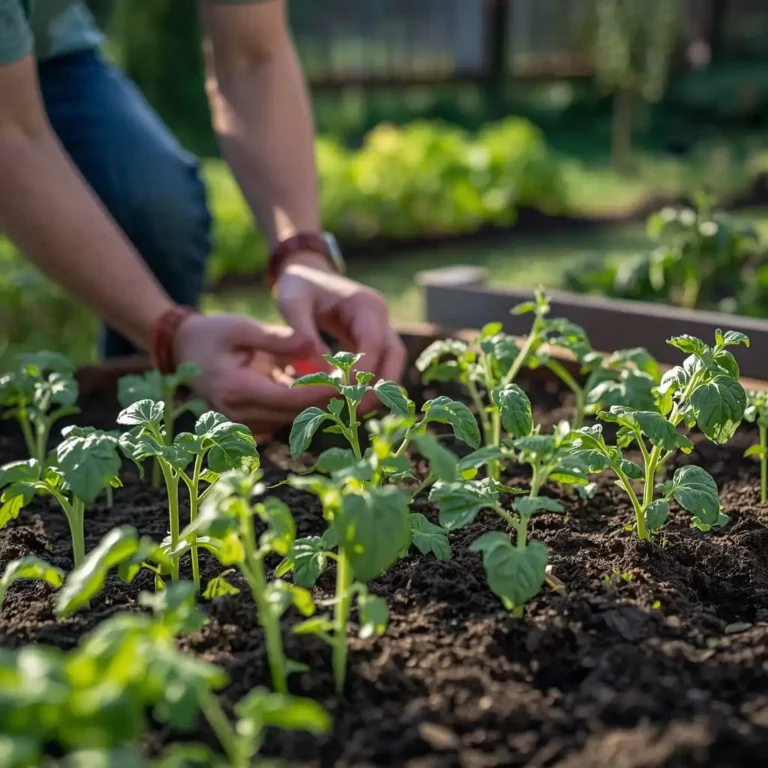
If you have ever planted a vegetable garden and watched your plants struggle to grow, you are not alone. Most gardeners spend money on seeds, tools, and fertilizer, but they overlook the most important thing of all. The soil for vegetable gardens is what makes or breaks your entire harvest.
Think about it this way. You can water your plants every single day and buy the most expensive fertilizer at the store, but if the soil for vegetable gardens is hard, compacted, or lacking nutrients, your vegetables will never reach their full potential.
Good soil for vegetable gardens is alive. It is full of microorganisms, organic matter, and nutrients that feed your plants naturally. When you get the soil right, growing vegetables becomes so much easier and more rewarding.
In this guide, you will learn everything you need to know about choosing, improving, and maintaining the best soil for vegetable gardens. Whether you are a complete beginner or you have been gardening for years, these tips will help you grow healthier plants and enjoy bigger harvests than ever before.
What Is the Best Soil for Vegetable Gardens
The best soil for vegetable gardens is what gardeners call loamy soil. This is a balanced mix of sand, silt, and clay particles that gives roots everything they need to grow strong and healthy.
Loamy soil for vegetable gardens drains well so roots never sit in puddles, but it also holds enough moisture that plants stay hydrated between waterings. It is rich in organic matter and nutrients, and it has a loose, crumbly texture that roots can easily push through.
Quick Answer: What Makes the Best Soil for Vegetable Gardens?
- Loose and crumbly texture for easy root growth
- Good drainage so water flows through but does not drain too fast
- Rich in organic matter like compost and worm castings
- Correct pH level, usually between 6.0 and 7.0
- Full of beneficial microorganisms and natural nutrients
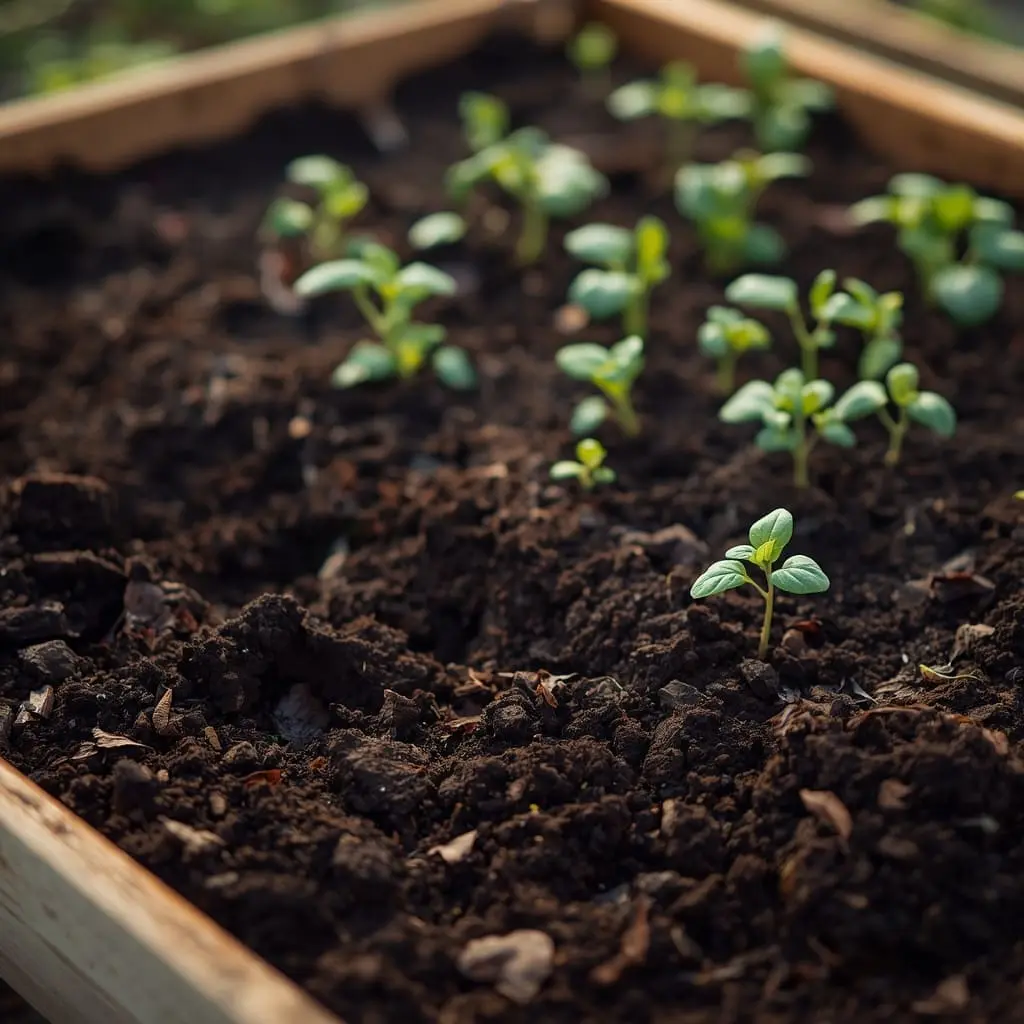
Why Soil for Vegetable Gardens Matters More Than Fertilizer
A lot of new gardeners think that adding fertilizer will fix everything. But fertilizer can only do so much. If the soil for vegetable gardens has poor structure, bad drainage, or the wrong pH, even the best fertilizer will not help much.
Healthy soil for vegetable gardens works like a support system. It holds moisture, delivers nutrients steadily, and gives roots the space and air they need. When you build great soil, your vegetables become naturally stronger and more resistant to pests and disease.
Sarah, a home gardener from Ohio, had this problem for years. She kept buying bag after bag of fertilizer, but her tomatoes were always disappointing. Finally, she added a thick layer of compost and amended her soil for vegetable gardens. That same season, she grew the biggest tomato harvest of her life.
Expert Tip: Improving the soil for vegetable gardens is a long-term investment. Spend time building your soil and it will reward you for years to come.
Use Our Free Raised Bed Soil Calculator
Best Soil Types for Vegetable Gardens
Not all soil for vegetable gardens is the same. Understanding the different soil types helps you make better decisions for your garden.
Loamy Soil for Vegetable Gardens
Loamy soil is the gold standard for vegetable gardens. It has the perfect balance of sand, silt, and clay. It drains well, holds moisture, and contains plenty of natural nutrients. If you have naturally loamy soil, you are very lucky. Keep feeding it with compost every year and it will stay productive for a long time.
Sandy Soil for Vegetable Gardens
Sandy soil drains very quickly. Water and nutrients pass through fast, which can leave plants hungry and thirsty. If you have sandy soil for vegetable gardens, you need to add lots of organic matter like compost, peat moss, and worm castings to help it hold moisture and nutrients better.
Clay Soil for Vegetable Gardens
Clay soil holds moisture well, but it can become compacted and waterlogged. Roots struggle to grow through heavy clay. Improve clay soil for vegetable gardens by working in compost, perlite, and coarse sand to open it up and improve drainage.
Soil Type Comparison Table
| Soil Type | Drainage | Moisture Retention | Fertility | Best Fix |
| Loamy Soil | Excellent | Good | High | Add compost yearly |
| Sandy Soil | Too Fast | Poor | Low | Add compost and peat moss |
| Clay Soil | Too Slow | Too High | Medium | Add compost and perlite |
| Silty Soil | Good | Good | Medium | Add organic matter |
| Chalky Soil | Fast | Low | Low | Add compost and lower pH |
Raised Bed Soil for Vegetable Gardens
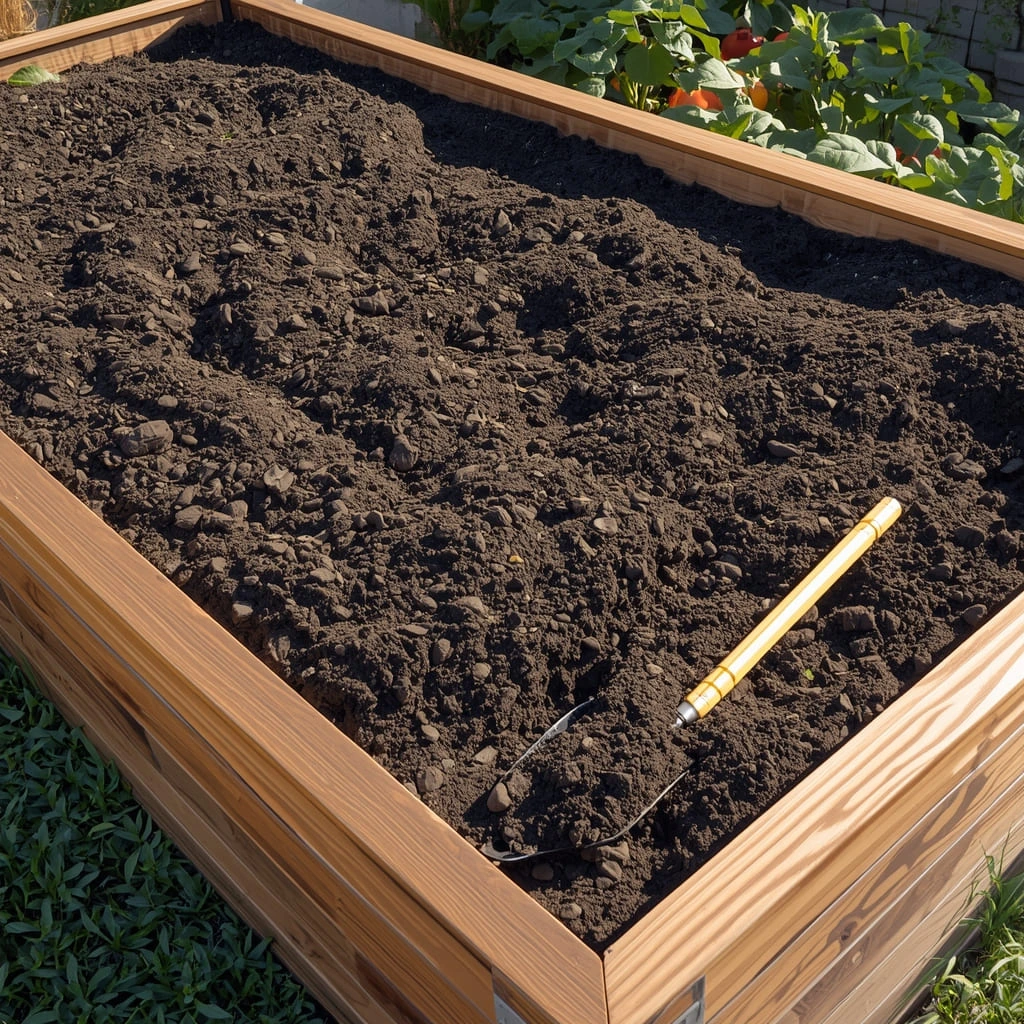
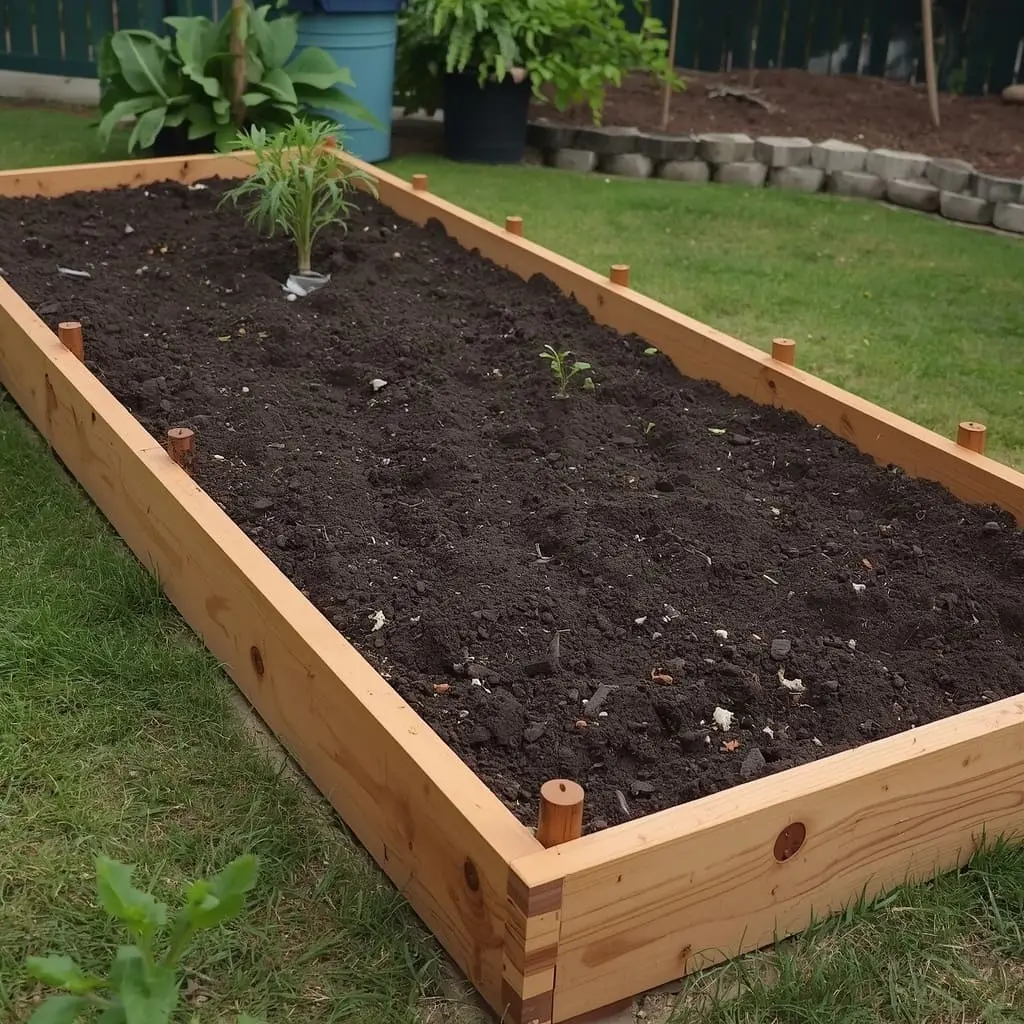
Raised beds are one of the best ways to control the soil for vegetable gardens. When you grow in a raised bed, you are not stuck with whatever soil is naturally in your yard. You get to choose and build the perfect mix from scratch.
Soil for vegetable gardens in raised beds should be loose, fluffy, and nutrient-rich. It should never become compacted. The most popular and effective raised bed soil mix is called Mel’s Mix, named after gardening author Mel Bartholomew.
Best Raised Bed Soil Mix for Vegetable Gardens
Raised Bed Soil Mix Table
| Ingredient | Percentage | Purpose |
| Compost (blended) | 33% | Nutrients and organic matter |
| Vermiculite | 33% | Moisture retention and aeration |
| Peat Moss or Coconut Coir | 33% | Structure and water holding |
This soil mix for vegetable gardens in raised beds drains perfectly, never compacts, and holds enough moisture to keep roots happy. Add a fresh layer of compost on top each spring to keep it productive.
Beginner Tip: Avoid using plain topsoil alone in raised beds. It compacts too quickly and does not drain well. Always mix in compost and aeration ingredients like vermiculite or perlite for the best soil for vegetable gardens.
Potting Soil for Vegetable Gardens in Containers
Growing vegetables in containers is a great option if you have a small space, a balcony, or poor native soil. But the soil for vegetable gardens grown in pots needs to be different from regular garden soil.
Never use regular garden soil or topsoil alone in containers. Garden soil compacts heavily in pots and suffocates roots. Instead, use a quality potting mix that is light, fluffy, and designed for container growing.
What to Look for in Potting Soil for Vegetable Gardens
- Lightweight and fast-draining mix
- Contains perlite or vermiculite for aeration
- Includes coconut coir or peat moss for moisture retention
- Has added compost for natural nutrients
- No heavy fillers like plain topsoil or plain dirt
Refresh your potting soil for vegetable gardens every season. Container soil loses its nutrients and structure over time. Add compost each year to keep it rich and healthy.
Organic Soil for Vegetable Gardens
If you care about growing vegetables without chemicals, organic soil for vegetable gardens is the way to go. Organic soil relies on natural materials like compost, worm castings, and aged manure to feed plants instead of synthetic fertilizers.
Organic soil for vegetable gardens builds a living ecosystem underground. Billions of bacteria, fungi, and other microorganisms break down organic matter into nutrients that plant roots absorb easily. This is exactly how soil in nature works.
Top Organic Amendments for Soil in Vegetable Gardens
- Compost – the single best addition for any soil for vegetable gardens
- Worm castings – incredibly rich in nutrients and microorganisms
- Aged manure – from chickens, cows, or horses; adds nitrogen
- Coconut coir – great alternative to peat moss; sustainable
- Kelp meal – slow-release nutrients and trace minerals
- Cover crops – like clover and rye that feed the soil naturally
Best Compost for Soil in Vegetable Gardens
Compost is the single best thing you can add to the soil for vegetable gardens. It improves soil texture, feeds microorganisms, and slowly releases nutrients to plant roots. Whether you buy it in bags or make it at home, compost transforms ordinary soil into something amazing.
Homemade Compost vs Store-Bought Compost
| Type | Cost | Quality | Nutrient Level | Best For |
| Homemade Compost | Free | Excellent | Very High | All vegetable gardens |
| Bagged Compost | Low to Medium | Good | Medium to High | Quick amending |
| Mushroom Compost | Low | Good | Medium | Improving soil texture |
| Worm Castings | Medium to High | Outstanding | Very High | Boosting nutrients |
| Aged Manure | Low to Free | Good | High | Heavy feeding crops |
To make your own compost, simply collect kitchen scraps like fruit peels, vegetable trimmings, and coffee grounds. Add these to a pile with garden waste like leaves and grass clippings. Turn the pile regularly and within a few months you will have rich, dark homemade compost that is perfect for soil for vegetable gardens.
Soil pH for Vegetable Gardens
The pH of your soil for vegetable gardens tells you how acidic or alkaline it is. Most vegetables grow best in slightly acidic to neutral soil, with a pH between 6.0 and 7.0. When the pH is off, plants cannot absorb nutrients properly, even if those nutrients are present in the soil.
Testing soil pH is easy and inexpensive. You can buy a simple soil pH test kit at any garden center or online. Once you know your soil pH, you can adjust it to match what your vegetables need.
Vegetable pH Requirement Table
| Vegetable | Ideal pH Range | Notes |
| Tomatoes | 6.0 to 6.8 | Sensitive to pH swings |
| Peppers | 6.0 to 6.8 | Similar to tomatoes |
| Carrots | 6.0 to 6.8 | Loose soil is also important |
| Lettuce | 6.0 to 7.0 | Very forgiving of pH |
| Potatoes | 5.0 to 6.0 | Prefer more acidic soil |
| Beans | 6.0 to 7.0 | Good nitrogen fixers |
| Cucumbers | 6.0 to 7.0 | Love warm, rich soil |
| Spinach | 6.5 to 7.5 | Tolerates alkaline soil |
| Garlic | 6.0 to 7.0 | Needs good drainage |
| Zucchini | 6.0 to 7.5 | Very adaptable grower |
How to Adjust pH in Soil for Vegetable Gardens
- To lower pH (make more acidic): add sulfur, peat moss, or pine needle mulch
- To raise pH (make more alkaline): add agricultural lime or wood ash
- Add compost regularly – it naturally buffers pH toward neutral
How to Improve Soil for Vegetable Gardens
Improving your soil for vegetable gardens does not have to be complicated or expensive. You can make a big difference with some simple steps that anyone can follow.
Step-by-Step Guide to Improving Soil for Vegetable Gardens
- Test your soil – start with a simple pH test and observe the texture and drainage of your soil for vegetable gardens
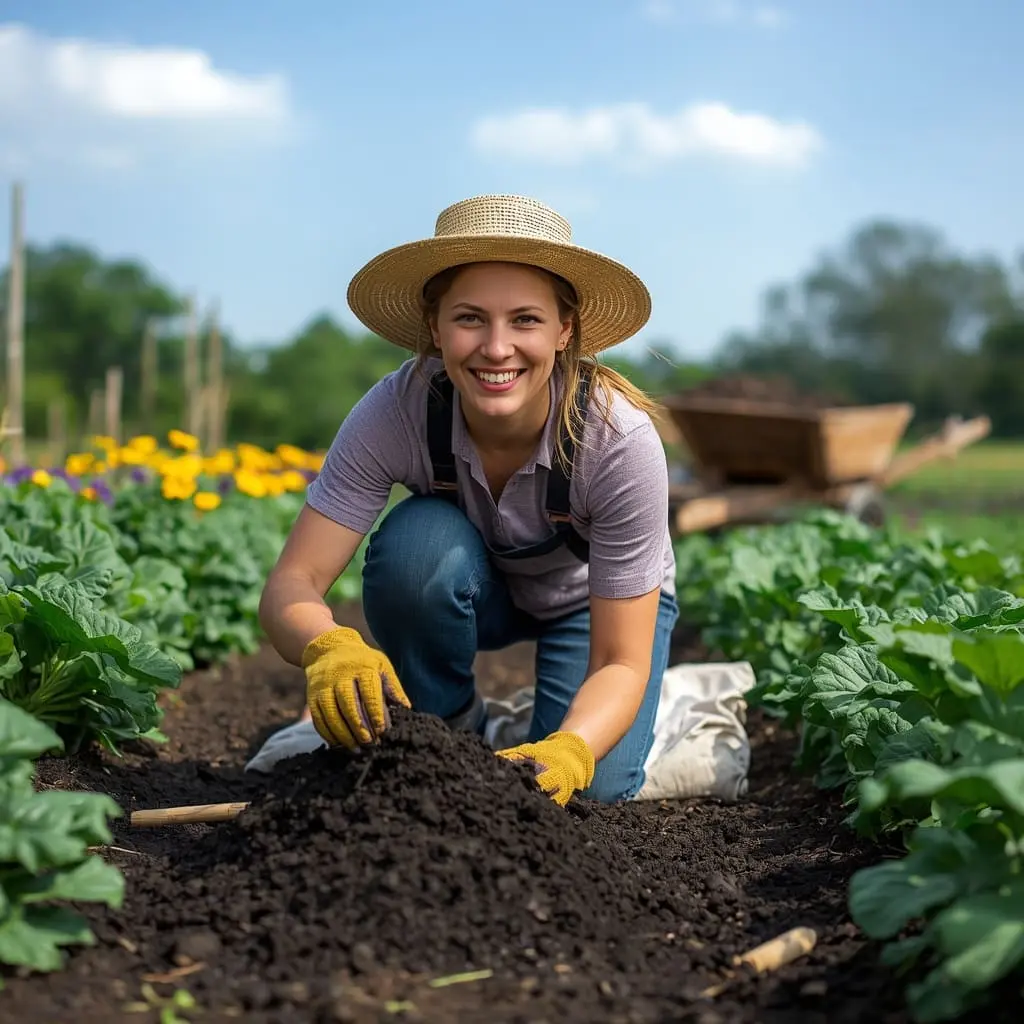
- Add compost – spread a 2 to 4 inch layer of compost over the soil and work it in with a fork or tiller
- Fix drainage problems – if the soil for vegetable gardens holds too much water, add perlite, coarse sand, or organic matter
- Fix sandy soil – if water drains too fast, add compost, coconut coir, or peat moss to help hold moisture
- Adjust pH if needed – based on your soil test results, add lime or sulfur
- Mulch the surface – add a layer of mulch over the soil for vegetable gardens to protect moisture and feed the soil slowly
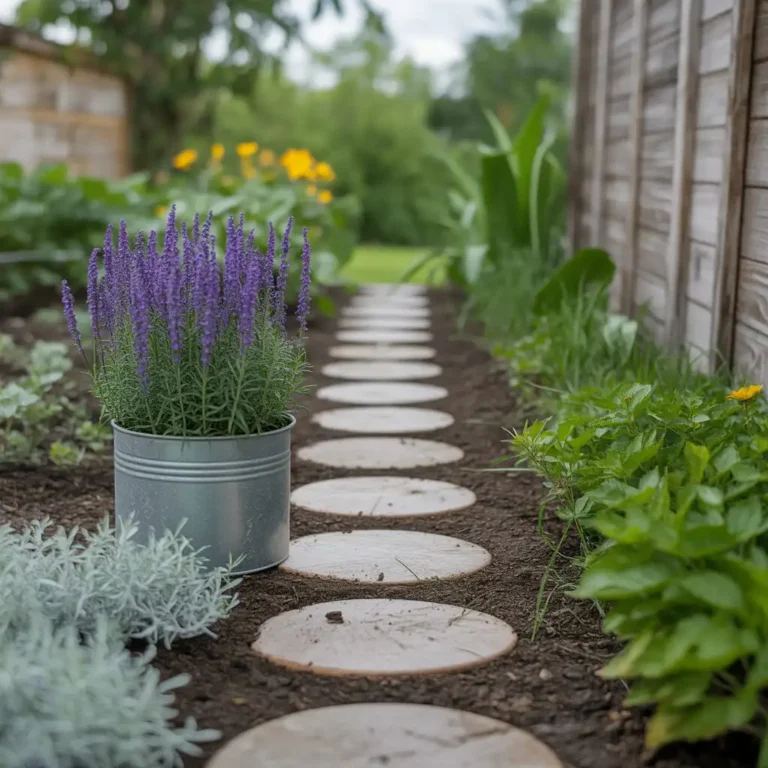
- Avoid compaction – never walk on your garden beds; use paths or stepping stones
Soil Amendment Table for Vegetable Gardens
| Amendment | Best For | How to Use | Benefit |
| Compost | All soil types | Work in 2-4 inches each season | Nutrients, microbes, texture |
| Perlite | Heavy or clay soil | Mix in 10-20% by volume | Drainage and aeration |
| Vermiculite | Sandy or dry soil | Mix in 10-20% by volume | Moisture retention |
| Peat Moss | Sandy soil | Work in 2-3 inches | Moisture and structure |
| Coconut Coir | All soil types | Rehydrate and mix in | Sustainable moisture retention |
| Worm Castings | All soil types | Mix in or use as top dressing | Rich nutrients and microbes |
| Aged Manure | Depleted soil | Work in before planting | Nitrogen and organic matter |
| Agricultural Lime | Acidic soil | Follow package rates | Raises pH |
| Sulfur | Alkaline soil | Follow package rates | Lowers pH |
| Kelp Meal | All gardens | Sprinkle on top or mix in | Trace minerals and growth |
Soil Testing for Vegetable Gardens
Soil testing is one of the most valuable things you can do for your soil for vegetable gardens. It removes the guesswork and tells you exactly what your soil needs.
A basic home test kit will measure your soil pH. A more comprehensive test from a local cooperative extension office or mail-in lab will also measure nitrogen, phosphorus, potassium, and trace minerals in your soil for vegetable gardens.
How to Take a Soil Sample
- Collect small amounts of soil from 5 to 10 spots around your vegetable garden
- Mix the samples together in a clean bucket
- Take a sample of the mixed soil and follow your test kit instructions
- Test at the beginning of each season for best results
DIY Soil for Vegetable Gardens: Best Soil Recipe
Making your own soil mix for vegetable gardens is easier than you think and much cheaper than buying premixed products. Here is a tried and true recipe that works beautifully in raised beds or in-ground vegetable gardens.
The Best DIY Soil Mix for Vegetable Gardens
- 1 part high-quality compost – use a blend of at least 3 different compost types for the richest results
- 1 part coconut coir or peat moss – for moisture retention and structure
- 1 part vermiculite – for perfect aeration and moisture balance
- Optional: handful of worm castings per square foot for extra nutrients
- Optional: sprinkle of kelp meal for trace minerals
Mix all ingredients together thoroughly. This soil for vegetable gardens will feel light and fluffy, drain well, and nourish your plants from the day you plant. It is the kind of soil that makes gardening genuinely enjoyable.
Worm Castings for Soil in Vegetable Gardens
Worm castings are one of the most powerful things you can add to the soil for vegetable gardens. They are created as earthworms process organic matter, and the result is incredibly rich in nutrients, beneficial microorganisms, and plant growth hormones.
Unlike synthetic fertilizers, worm castings release nutrients slowly and gently. They will never burn plant roots, no matter how much you use. A handful of worm castings mixed into the soil for vegetable gardens around each transplant gives young plants a fantastic start.
Expert Tip: Make your own worm castings at home with a simple worm bin. Feed your kitchen scraps to red wiggler worms and collect the castings regularly. It is free fertilizer for your soil for vegetable gardens and one of the best gardening investments you can make.
Mulching Tips for Soil in Vegetable Gardens
Mulch is like a protective blanket for the soil in your vegetable gardens. A 2 to 3 inch layer of mulch on top of the soil does so many wonderful things. It keeps moisture in, regulates soil temperature, suppresses weeds, and slowly breaks down to feed the soil.
Best Mulch Options for Soil in Vegetable Gardens
- Straw – clean, affordable, and breaks down to improve soil
- Shredded leaves – free from your own yard and rich in carbon
- Wood chips – long lasting and excellent for pathways around beds
- Grass clippings – light and breaks down quickly into the soil
- Compost – used as a mulch layer it both protects and feeds the soil for vegetable gardens
Best Soil for Tomatoes, Peppers, Carrots, and Lettuce
Different vegetables have different needs, but they all start with great soil for vegetable gardens. Here is what each popular crop needs from the soil.
Soil for Tomatoes
Tomatoes love deep, rich, slightly acidic soil for vegetable gardens with a pH between 6.0 and 6.8. They need excellent drainage but consistent moisture. Work compost deeply into the soil before planting and add worm castings at transplant time. Mulch around plants to keep soil moisture even.
Soil for Peppers
Peppers prefer warm, well-draining soil for vegetable gardens. They like a pH between 6.0 and 6.8. Sandy loam soil amended with compost works beautifully for peppers. Make sure the soil is not too heavy or wet, as peppers dislike soggy conditions.
Soil for Carrots
Carrots need loose, deep, stone-free soil for vegetable gardens. Rocky or compacted soil causes carrots to fork and twist. Work compost and sand into heavy soil to loosen it. Raised beds with a deep, light soil mix are perfect for growing straight, long carrots.
Soil for Lettuce
Lettuce is one of the easiest crops to grow in a wide range of soil conditions. It prefers cool, moist soil for vegetable gardens with good drainage. Compost-rich soil with a pH around 6.0 to 7.0 is ideal. Lettuce is a shallow rooted plant, so even container soil works very well.
Common Soil Mistakes Beginners Make in Vegetable Gardens
Even experienced gardeners make soil mistakes sometimes. Here are the most common ones and how to avoid them.
- Using plain topsoil alone – topsoil compacts and drains poorly; always mix in compost and amendments for soil for vegetable gardens
- Skipping soil testing – guessing your soil pH and nutrients leads to poor results; test first
- Over-tilling – excessive tilling destroys soil structure and kills beneficial microorganisms
- Walking on beds – compacts the soil for vegetable gardens and crushes root pathways; use boards or paths
- Adding too much fresh manure – always use aged or composted manure; fresh manure can burn roots and introduce pathogens
- Forgetting to mulch – bare soil dries out fast and loses nutrients; always mulch your soil for vegetable gardens
Signs of Bad Soil in Vegetable Gardens
Your soil for vegetable gardens will show you signs when something is wrong. Learning to read these clues helps you fix problems early.
- Yellowing leaves – often a sign of nitrogen deficiency or wrong pH in the soil for vegetable gardens
- Stunted growth – poor drainage or compacted soil stops roots from growing properly
- Water pooling – clay heavy or compacted soil holds water too long and suffocates roots
- Water draining too fast – sandy soil loses moisture quickly and leaves roots thirsty
- Crust forming on surface – indicates low organic matter; soil for vegetable gardens needs compost
- No earthworms – a healthy soil for vegetable gardens should have plenty of earthworms; few or none means low organic matter
How to Keep Soil Healthy in Vegetable Gardens All Year
Caring for your soil for vegetable gardens is a year-round commitment. Here is a simple seasonal schedule to keep it healthy and productive.
Spring Soil Care for Vegetable Gardens
- Test soil pH and nutrients before planting
- Work in a fresh layer of compost to refresh nutrients in the soil for vegetable gardens
- Gently loosen compacted areas with a garden fork, not a tiller
Summer Soil Care for Vegetable Gardens
- Maintain a mulch layer to keep moisture in the soil for vegetable gardens
- Side dress plants with compost or worm castings for a mid-season boost
- Watch for signs of nutrient deficiency and correct with organic amendments
Fall Soil Care for Vegetable Gardens
- Remove finished plants and compost healthy plant material
- Apply a thick layer of compost or aged manure over the soil for vegetable gardens
- Plant cover crops like winter rye or clover to protect and feed the soil over winter
Winter Soil Care for Vegetable Gardens
- Let cover crops work and protect the surface of the soil for vegetable gardens
- Add any final compost layers and let earthworms do the digging
- Plan any soil improvements you want to make for the coming season
Best Natural Fertilizers for Soil in Vegetable Gardens
The best fertilizers for vegetable garden soil are the ones that feed the soil, not just the plant. Natural fertilizers build long-term soil fertility and support all of the microorganisms that make the soil for vegetable gardens come alive.
- Fish emulsion – fast acting liquid fertilizer rich in nitrogen; great for leafy crops
- Bone meal – adds phosphorus for strong root growth and flowering
- Blood meal – high nitrogen for green, leafy growth; use sparingly
- Kelp meal – full of trace minerals and growth-promoting hormones
- Greensand – slow-release potassium from ancient sea beds
- Compost tea – liquid compost extract that feeds soil microorganisms
Soil Troubleshooting Guide for Vegetable Gardens
When something goes wrong in the vegetable garden, the soil for vegetable gardens is often the first place to look. Here are the most common soil problems and their simple fixes.
| Problem | Likely Cause | Fix |
| Plants yellowing | Low nitrogen or wrong pH | Add compost or worm castings; test and adjust pH |
| Soil too hard | Compaction or lack of organic matter | Work in compost; avoid walking on beds |
| Water pools after rain | Clay soil or poor drainage | Add perlite, compost, and raise the bed |
| Soil dries too fast | Sandy soil, low organic matter | Add compost, coconut coir; mulch heavily |
| Wilting despite watering | Overwatering or root rot | Improve drainage; check soil for vegetable gardens moisture before watering |
| No earthworms | Low organic matter | Add compost and worm castings; stop tilling |
| Plants seem stunted | Nutrient deficiency or pH off | Test soil; add targeted amendments |
FAQ: Soil for Vegetable Gardens
Here are the most common questions people ask about soil for vegetable gardens, with clear and practical answers.
1. What is the best soil for vegetable gardens?
The best soil for vegetable gardens is loamy soil that is rich in organic matter, drains well, and has a pH between 6.0 and 7.0. If your natural soil is clay or sandy, improve it by adding compost and other organic amendments.
2. How deep should soil be for vegetable gardens?
Most vegetables need at least 12 inches of good quality soil for vegetable gardens. Root crops like carrots and parsnips prefer 18 inches or more. Raised beds should be at least 12 inches deep for best results.
3. Can I use topsoil alone for vegetable gardens?
Plain topsoil is not ideal for vegetable gardens on its own. It can compact easily and may lack nutrients. Always mix topsoil with compost and other soil amendments for the best soil for vegetable gardens.
4. How often should I add compost to soil for vegetable gardens?
Add compost to the soil for vegetable gardens at least once a year, ideally in spring before planting and again in fall after harvest. Heavy feeders like tomatoes and corn benefit from compost added mid-season as well.
5. What pH is best for soil in vegetable gardens?
Most vegetables grow best in soil for vegetable gardens with a pH between 6.0 and 7.0. Test your soil and adjust with lime to raise pH or sulfur to lower it if needed.
6. Is potting mix good for raised bed vegetable gardens?
A high-quality potting mix can work in raised beds, but it is often expensive for large beds. A better approach is to use a DIY soil mix for vegetable gardens made from compost, vermiculite, and coconut coir.
7. What is the difference between potting soil and garden soil for vegetable gardens?
Garden soil is heavier and designed to be used outdoors mixed into native ground. Potting soil is lighter and specially formulated for containers. For pots and containers, always use potting mix rather than regular garden soil for vegetable gardens.
8. Do vegetable gardens need sandy loam soil?
Sandy loam soil is one of the best types for vegetable gardens because it drains well but still holds enough moisture and nutrients. If you do not have sandy loam naturally, you can create a similar result by amending your soil for vegetable gardens with compost and sand.
9. How do I make my soil more fertile for vegetable gardens?
Add compost, worm castings, aged manure, and organic matter regularly. Plant cover crops in the off-season. Use natural fertilizers and avoid synthetic chemicals that can harm the microorganisms living in the soil for vegetable gardens.
10. Can I reuse old potting soil in my vegetable garden?
Yes, but refresh it first. Mix old potting soil with fresh compost, worm castings, and perlite. This restores nutrients and structure to the soil for vegetable gardens and saves you money on new bags.
11. How do I fix clay soil for vegetable gardens?
Work in large amounts of compost, perlite, and coarse sand to break up clay soil. Do this over several seasons for the best results. Raised beds filled with a proper soil mix for vegetable gardens are often the easiest fix for very heavy clay.
12. What is the best mulch for soil in vegetable gardens?
Straw, shredded leaves, wood chips, and compost all make excellent mulch for vegetable gardens. A 2 to 3 inch layer of mulch over the soil for vegetable gardens keeps moisture in, regulates temperature, and feeds the soil as it breaks down.
13. Should I till my soil for vegetable gardens every year?
Minimal tilling is best for the soil for vegetable gardens. Heavy annual tilling destroys soil structure and kills beneficial microorganisms. Instead, use a garden fork to gently loosen compacted areas and add compost on top. Let earthworms do the mixing for you.
14. What nutrients does soil for vegetable gardens need?
Vegetable gardens need nitrogen for leafy growth, phosphorus for root and fruit development, and potassium for overall plant health. Calcium, magnesium, and trace minerals are also important. A regular addition of compost to the soil for vegetable gardens provides all of these naturally.
15. How do I know if my soil for vegetable gardens is good?
Good soil for vegetable gardens is dark in color, smells earthy and fresh, crumbles easily in your hand, drains well, and is full of earthworms. Plants growing in healthy soil will be vigorous, green, and productive. If your soil feels hard, looks pale, or drains poorly, it needs improvement.
Conclusion: Start Building Better Soil for Vegetable Gardens Today
Growing a truly abundant vegetable garden starts from the ground up. Literally. The soil for vegetable gardens is the foundation of everything. When you take care of your soil, your soil takes care of your plants.
You do not need to do everything at once. Start with a simple soil test. Add a generous layer of compost to your soil for vegetable gardens this season. Put down some mulch. Stop walking on your beds. These small steps make a real difference and they build over time.
Think of the soil for vegetable gardens as something alive, because it truly is. Every handful of healthy garden soil contains billions of microorganisms, nutrients, and living energy. Feed and protect that life and your vegetable garden will reward you with harvests you will be proud of.
Whether you are growing tomatoes on a sunny deck, carrots in a raised bed, or lettuce in a community garden plot, the best soil for vegetable gardens is always within your reach. Get your hands in the dirt, add that compost, and enjoy the incredible satisfaction of growing your own food in soil that is working hard right alongside you.
Your best harvest is just one season of great soil care away. Go make it happen.
Happy Growing!