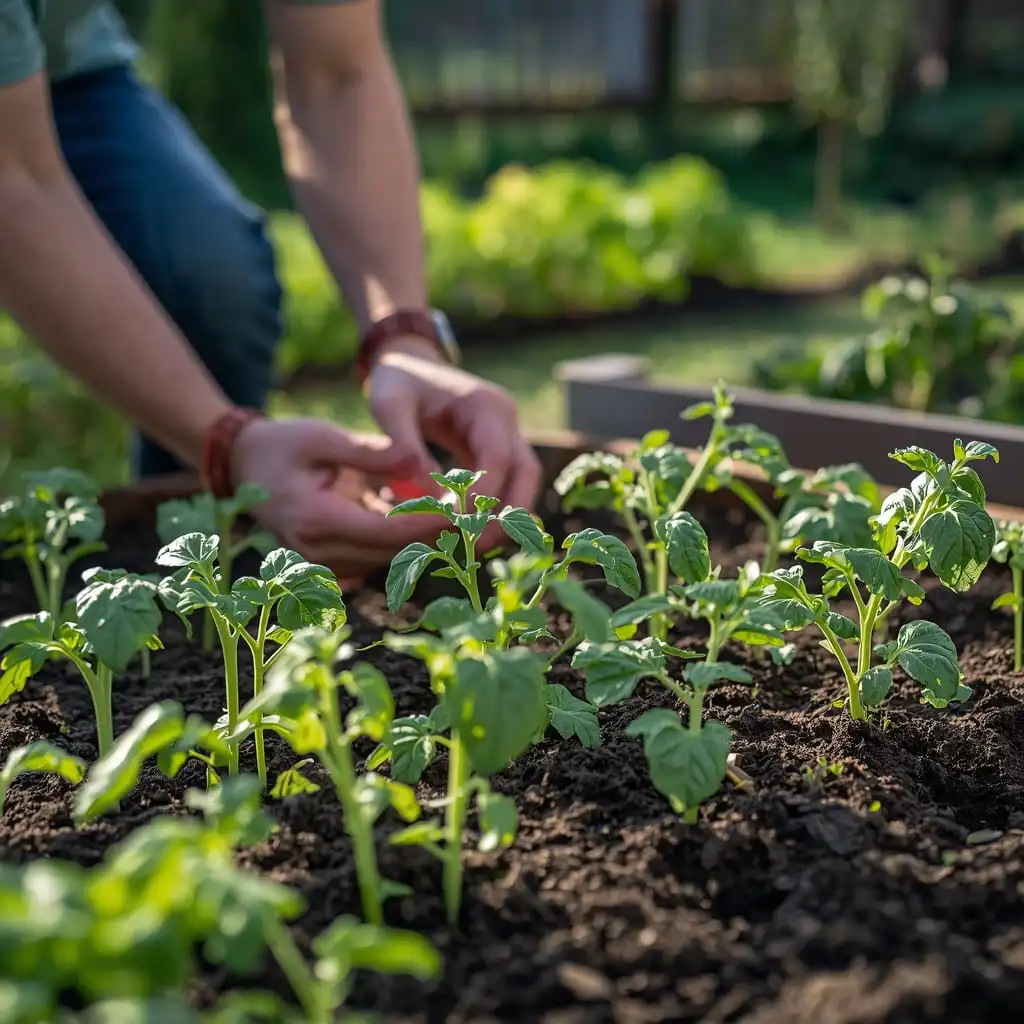
Best Vegetables to Plant in May
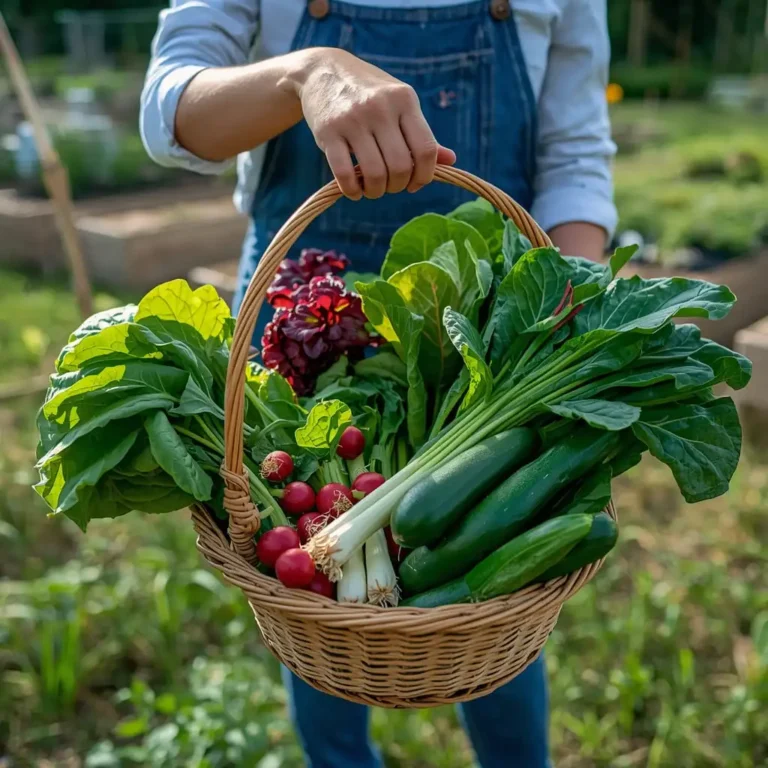
Vegetables to Plant in May, that is the question every gardener asks when spring finally warms up. May is a truly exciting month in the garden. The soil is warm, the days are longer, and there is still plenty of growing season ahead. Whether you are a first-time gardener or someone who has been doing this for years, May gives you a great window to grow a wide range of fresh, healthy vegetables.
In most parts of the country, the last frost has already passed by May. This means you can safely put warm-season crops in the ground without worrying about them dying overnight. At the same time, there are still some cool-season crops you can squeeze in before the heat really picks up. This article will walk you through everything you need to know about planting vegetables in May, with simple tips that anyone can follow.
Why May is the Best Time to Plant Vegetables
May is one of the best months to get seeds and transplants into the ground. Here is why:
Soil is warm enough. Most vegetables need soil that is at least 60 degrees Fahrenheit to grow well. By May, the ground has had time to soak up the sun’s heat. Seeds germinate faster, and roots grow stronger when the soil is warm.
Less frost risk. In most regions, May is safely past the last frost date. You do not have to worry about your young plants getting killed by a surprise cold snap. Of course, always check your local frost dates just to be safe.
Faster growth. Plants grow quickly in May. The combination of warm soil, longer daylight hours, and mild temperatures creates the perfect growing environment. What might take three weeks to sprout in March can pop up in one week in May.
Long season ahead. Planting in May gives you a full summer of growing time. You can expect harvests by July and August, and some crops will keep producing right into fall.
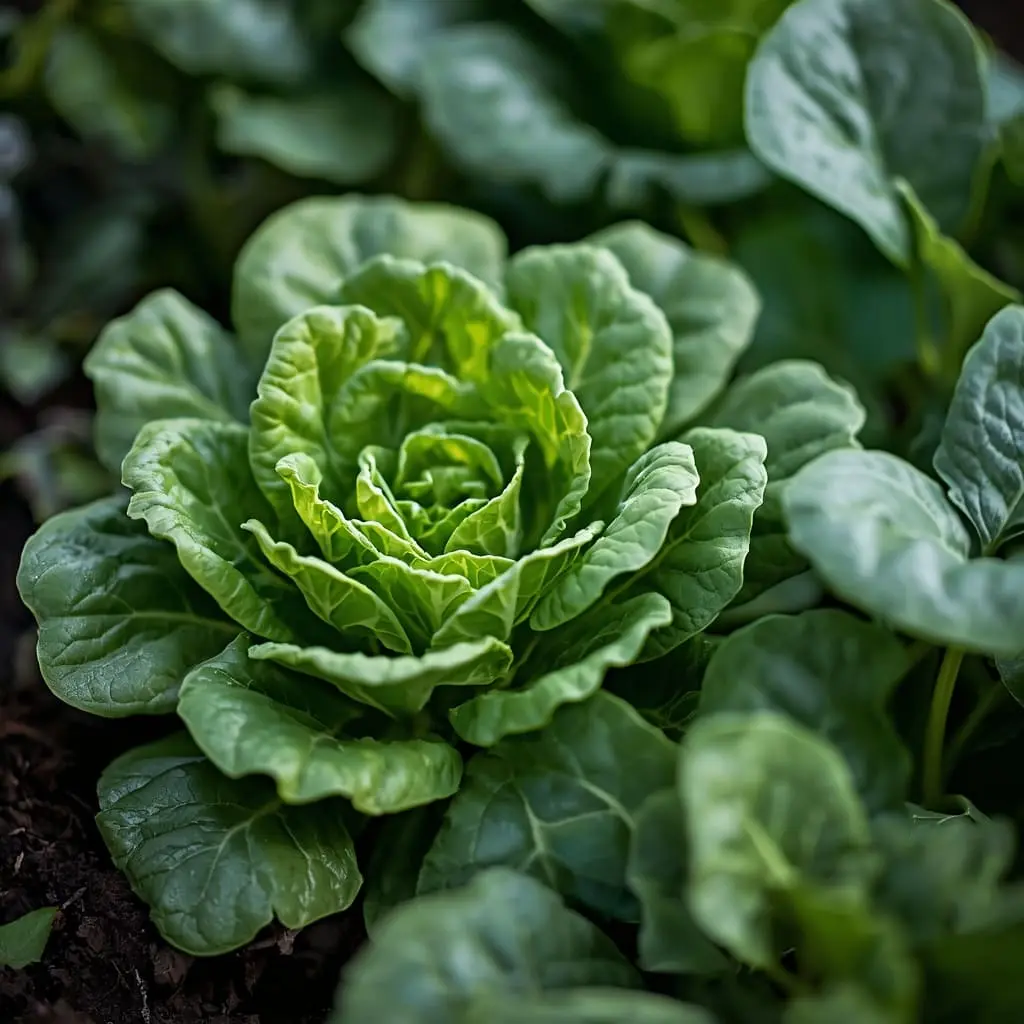
What Vegetables to Plant in May for Beginners
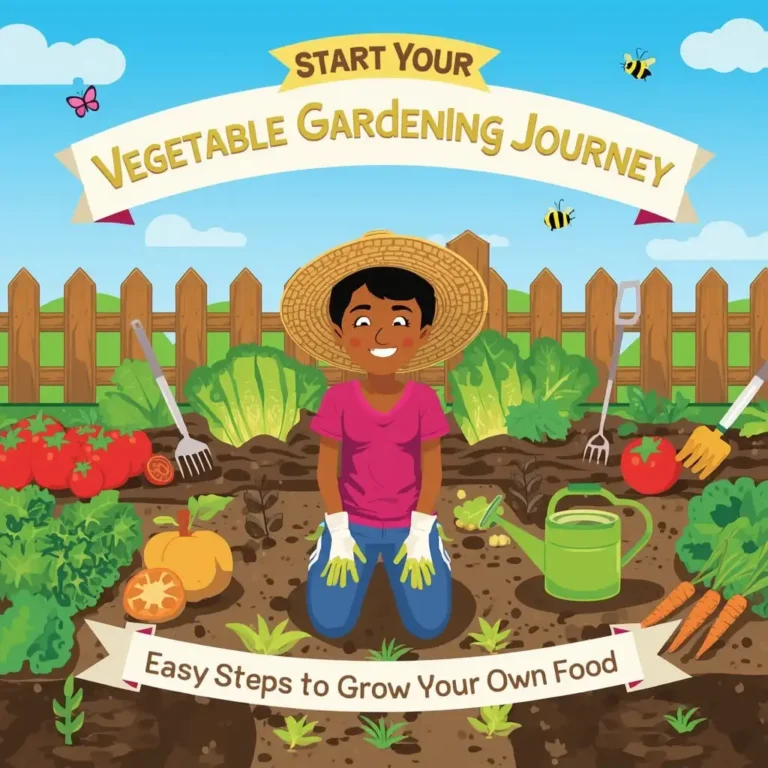
If you are new to gardening, do not worry. May is actually one of the easiest times of year to get started. The weather is on your side. Here are some great vegetables to grow in May if you are just starting out.
Easy Vegetables to Grow in May
Fast Growing Vegetables to Plant in May
If you want results quickly, these are your best options:
Warm Season Vegetables to Plant in May
May is the perfect time to put warm-season crops in the ground. These vegetables need warm soil and warm air to really thrive. Do not plant them too early or they will just sit there and struggle.
Root Vegetables to Plant in May
Root vegetables grow underground and need loose, well-drained soil. May is a great time to plant many of them. Make sure the soil is not too compacted or your roots will be small and misshapen.
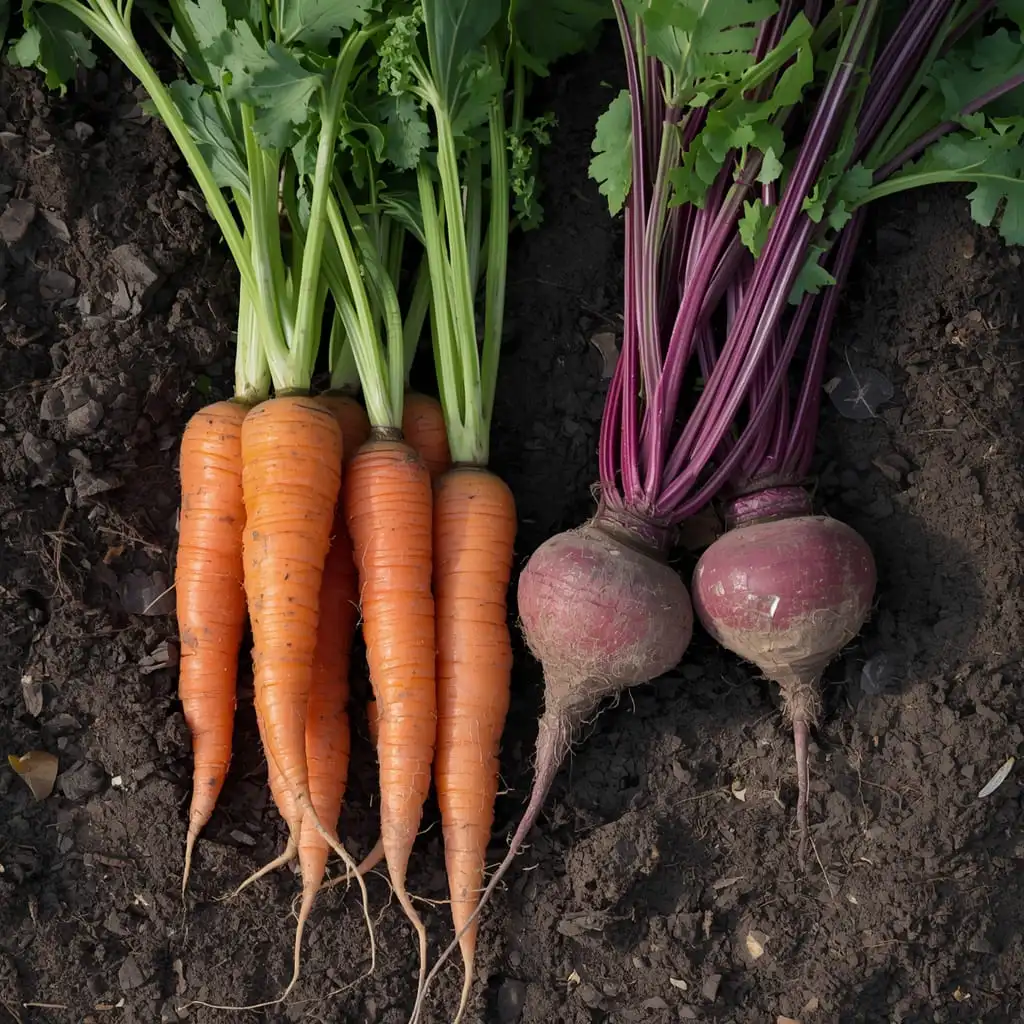
Leafy Greens to Plant in May
Leafy greens are some of the most nutritious vegetables you can grow. Many of them do best in cooler weather, so early May is ideal. As temperatures rise, some will bolt and go to seed, so harvest before it gets too hot.
Vegetables to Plant in May by Climate Zone
Not everyone gardens in the same climate. What works in Texas does not always work in Minnesota. Here is a quick guide to planting vegetables in May based on where you live.
Cold regions (USDA zones 3 to 5). If you live in a cold area, May is when you finally get to start planting outdoors. Stick to cold-hardy vegetables like lettuce, spinach, kale, radishes, and peas in early May. Wait until late May to put out tomatoes, peppers, and cucumbers. Watch the forecast and be ready to cover plants if a late frost is coming.
Moderate areas (USDA zones 6 to 7). May is peak planting season for you. Almost everything can go in the ground this month. Start with cool-season crops early in May and move to warm-season crops as the month goes on. Tomatoes, peppers, beans, squash, and cucumbers are all fair game.
Warm regions (USDA zones 8 to 11). If you live somewhere hot, May can get warm fast. Focus on heat-tolerant crops like sweet potatoes, okra, peppers, and melons. Cool-season vegetables may already be bolting or finishing up.
You might also want to set up shade cloth to protect sensitive plants from intense afternoon sun. You can check your local planting calendar and frost dates using the USDA Plant Hardiness Zone Map at https://planthardiness.ars.usda.gov to make better planting decisions in May.
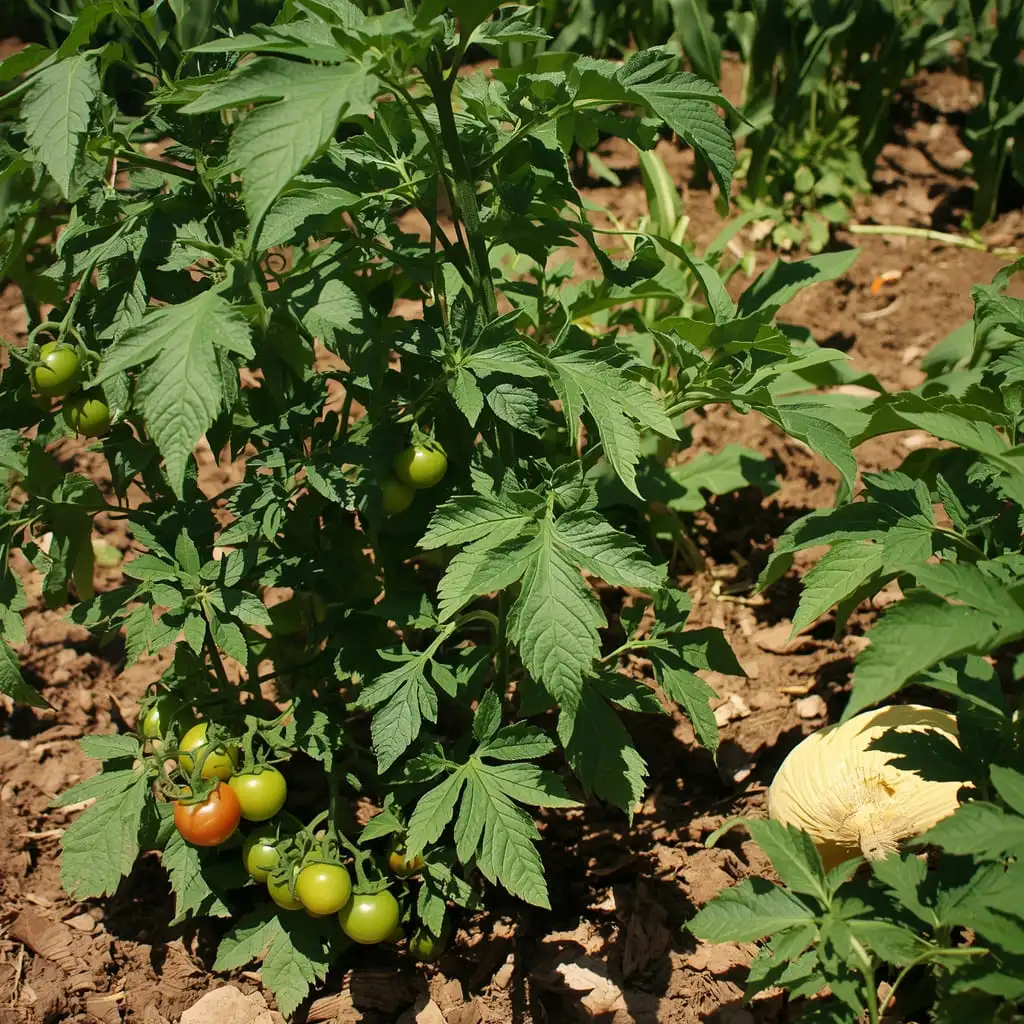
Direct Sowing vs Transplanting in May
When planting vegetables in May, you have two choices. You can sow seeds directly in the soil, or you can buy young plants from a garden center and transplant them. Both methods work well, but the right choice depends on what you are growing.
What to sow directly in May:
What to transplant in May:
May Planting Tips for Better Results
Getting your vegetables in the ground is just the start. How you prepare and care for them in May will determine how well they grow. Here are some simple tips from an experienced gardener.
Common Mistakes When Planting in May
Even experienced gardeners make mistakes. Here are the most common ones people make when planting vegetables in May, and how you can avoid them.
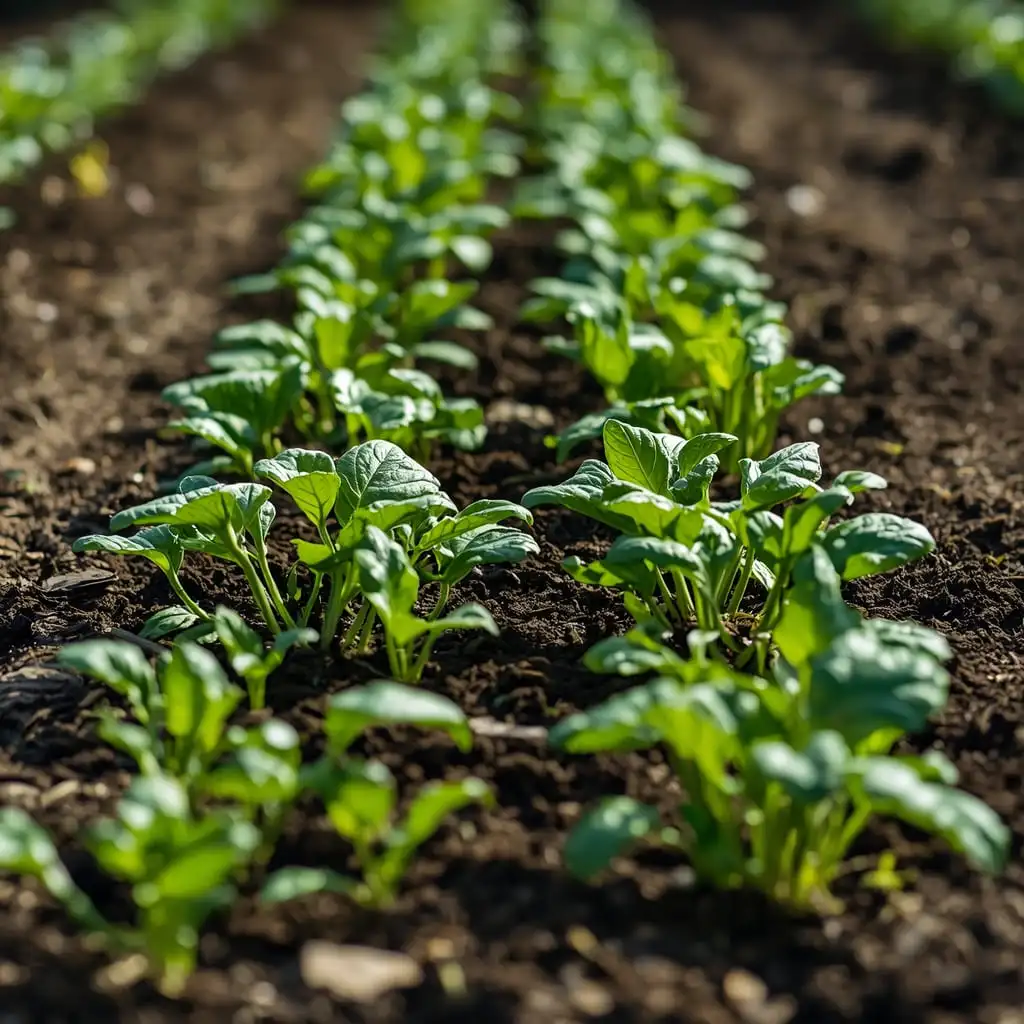
Benefits of Planting Vegetables in May
There are so many good reasons to get out in the garden and start planting this month. Here are a few that might inspire you.
Best Herbs to Plant in May
While you are at it, do not forget about herbs. They are easy to grow, useful in the kitchen, and many of them love the warm weather of May. Plant them in pots or in a corner of your vegetable garden.
If you want to calculate the seed quantity then use our free seed calculator. click the following link.
Seed Calculator
Month Wise Planting Plan for May
Think of May as three mini-seasons: early, mid, and late. Each part of the month has its own best planting strategy. Here is a simple May planting guide to follow.
Early May (May 1 to 10):
Mid May (May 11 to 20):
Late May (May 21 to 31):
FAQs About Vegetables to Plant in May
Tomatoes, cucumbers, beans, zucchini, peppers, lettuce, and kale all grow very well in May. Warm-season crops benefit from the rising temperatures, while cool-season crops like lettuce and spinach thrive in the mild early-May weather. The best choice depends on your local climate, but most gardeners will have great success with any of these.
No, May is definitely not too late. In fact, May is one of the best planting months of the entire year. The soil is warm, the frost risk is low, and there is still a full growing season ahead. Even in late May, you can plant fast-growing crops and still get a great harvest before summer ends.
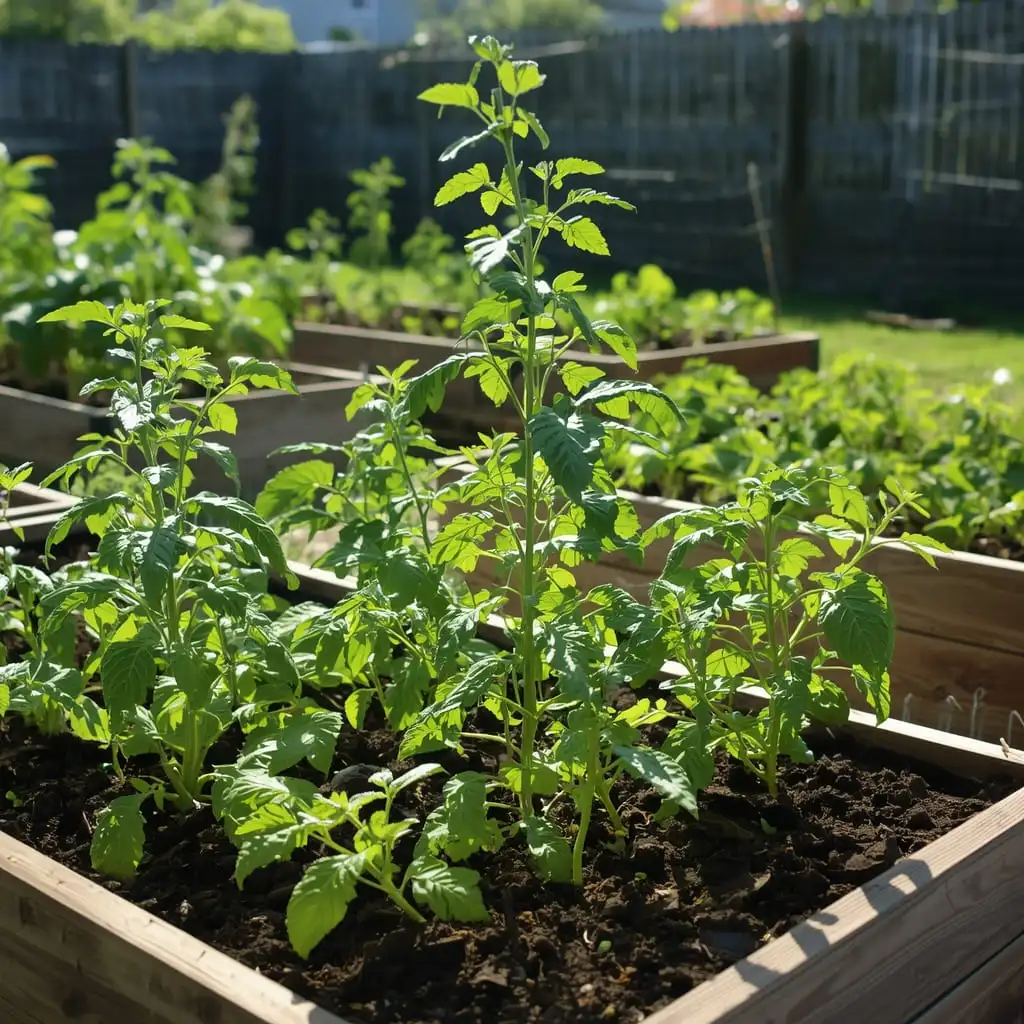
Yes, May is actually the ideal time to plant tomatoes in most parts of the country. Tomatoes need warm soil and warm nights to really take off. If nighttime temperatures are staying above 50 degrees Fahrenheit, your tomatoes will be happy. Plant them deep, water well, and they will be producing fruit by midsummer.
Radishes are the fastest, ready in as little as 25 days. Salad leaves and green onions are also very quick, often ready in 3 to 4 weeks. Spinach, arugula, and lettuce all grow fast in the cooler part of May. Beans and zucchini are also fast growers once the soil is warm, usually ready in 50 to 60 days.
For a summer harvest, focus on tomatoes, cucumbers, zucchini, beans, and peppers. These warm-season crops planted in May will start producing by July and August. Add some salad greens and radishes for earlier harvests while you wait for the bigger crops to come in.
Tomatoes, peppers, cucumbers, squash, beans, corn, and melons all need full sun, which means at least 6 to 8 hours of direct sunlight per day. Root vegetables like carrots and beets also prefer full sun but can manage with a little shade. Leafy greens like lettuce and spinach will actually appreciate some afternoon shade in warm climates, as too much sun can cause them to bolt.
Now that you have a complete May planting guide at your fingertips, there is nothing stopping you from growing a productive, beautiful vegetable garden this year. The month of May is full of potential. Get out there, dig in the soil, plant your seeds and transplants, and enjoy the process. Gardening is one of the most rewarding hobbies you can have. And the payoff fresh vegetables you grew yourself is absolutely worth it.
Start small if you need to. Pick three or four vegetables from this list and give them your full attention. Once you see those first plants sprouting and growing, you will be hooked. Happy planting and here is to a wonderful harvest season ahead!