15 Vegetables That Grow Fast for Beginners
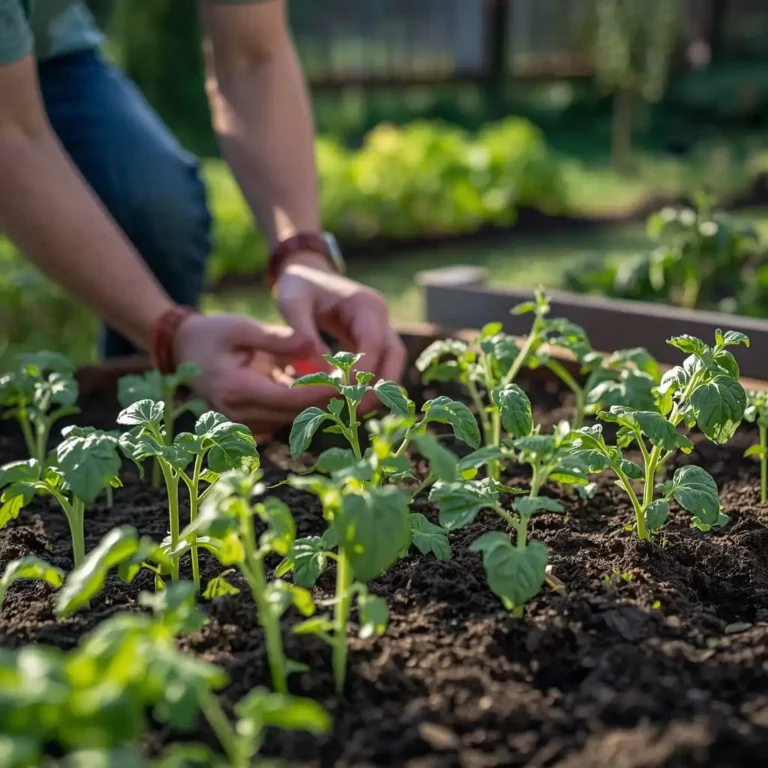
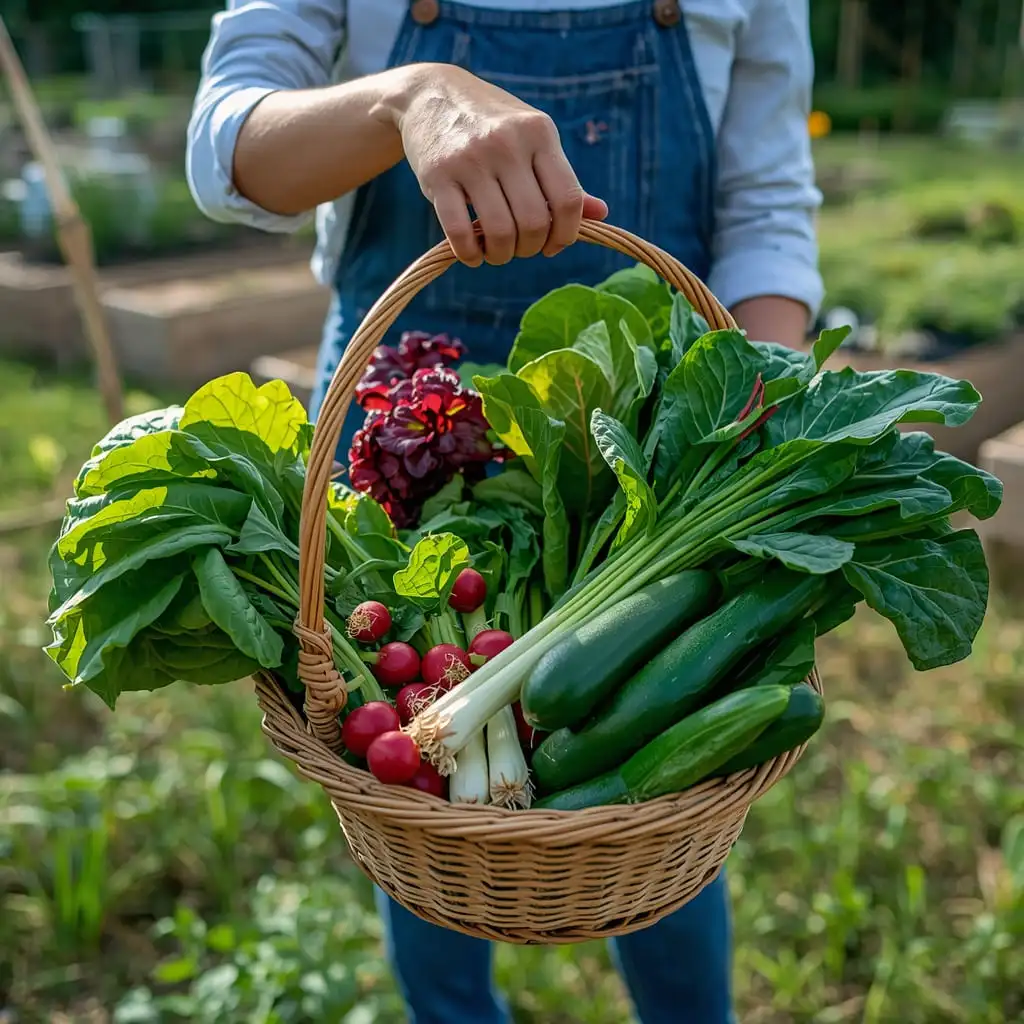
Starting a vegetable garden feels exciting at first. But if you plant the wrong crops and wait three months with nothing to show, that excitement fades fast. Many beginners quit gardening because they chose slow vegetables that take forever to harvest. The good news is that there are plenty of vegetables that grow fast for beginners and still taste amazing. In this guide, you will find 15 easy, quick-growing vegetables you can start today, along with simple tips to help you get the most out of your garden.
Why Vegetables That Grow Fast for Beginners Are the Best Choice
When you are new to gardening, quick wins matter. Growing something you can actually eat in a few weeks keeps you motivated. Fast vegetables also teach you gardening basics without a long wait. You learn about watering, sunlight, soil, and spacing in a shorter time. And if something goes wrong, you can try again the same season.
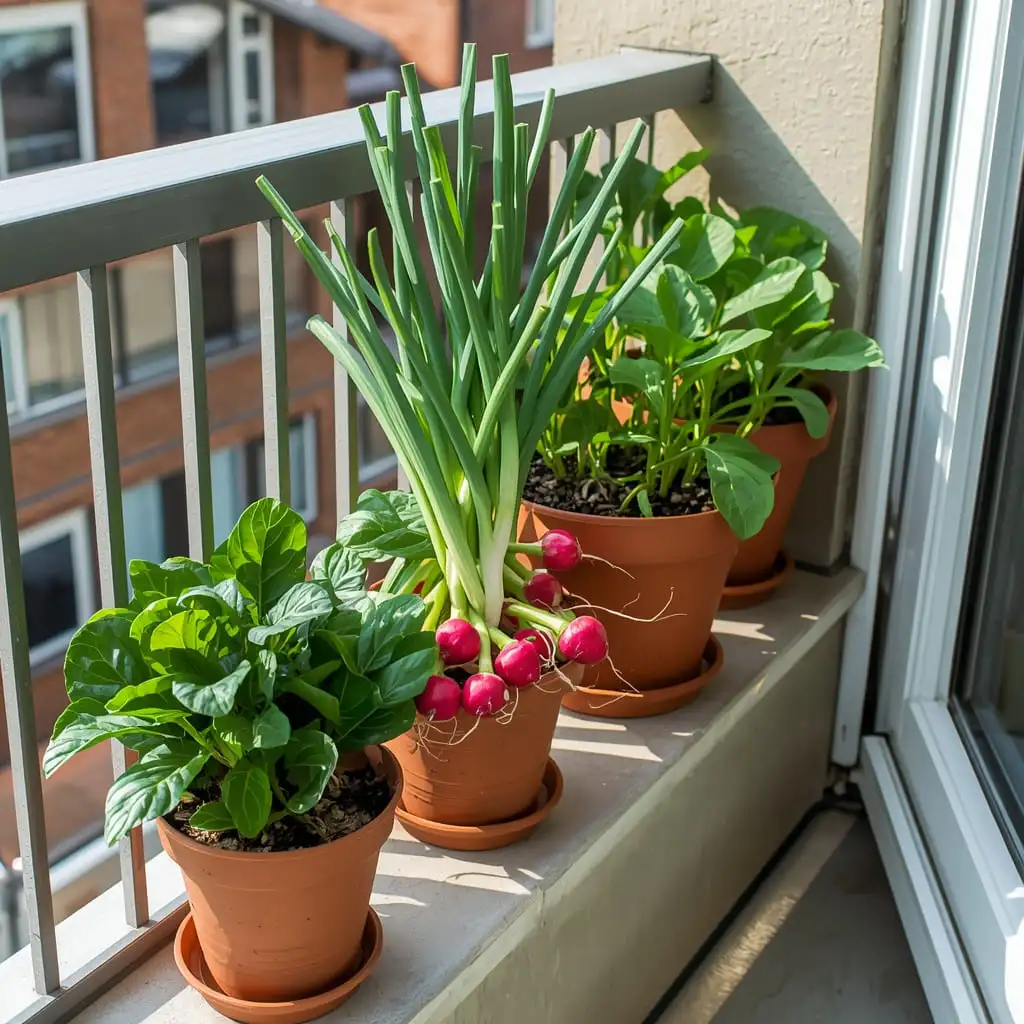
Fast-growing vegetables are also forgiving. Many of them do well in raised beds, garden soil, or even containers on a balcony. That means you do not need a big yard to start. A few pots and a sunny spot are enough to get going.
15 Vegetables That Grow Fast for Beginners
1. Radishes
Days to harvest: 22 to 30 days
Best season: Spring and fall
Sun needs: Full sun to partial shade
Pot friendly: Yes
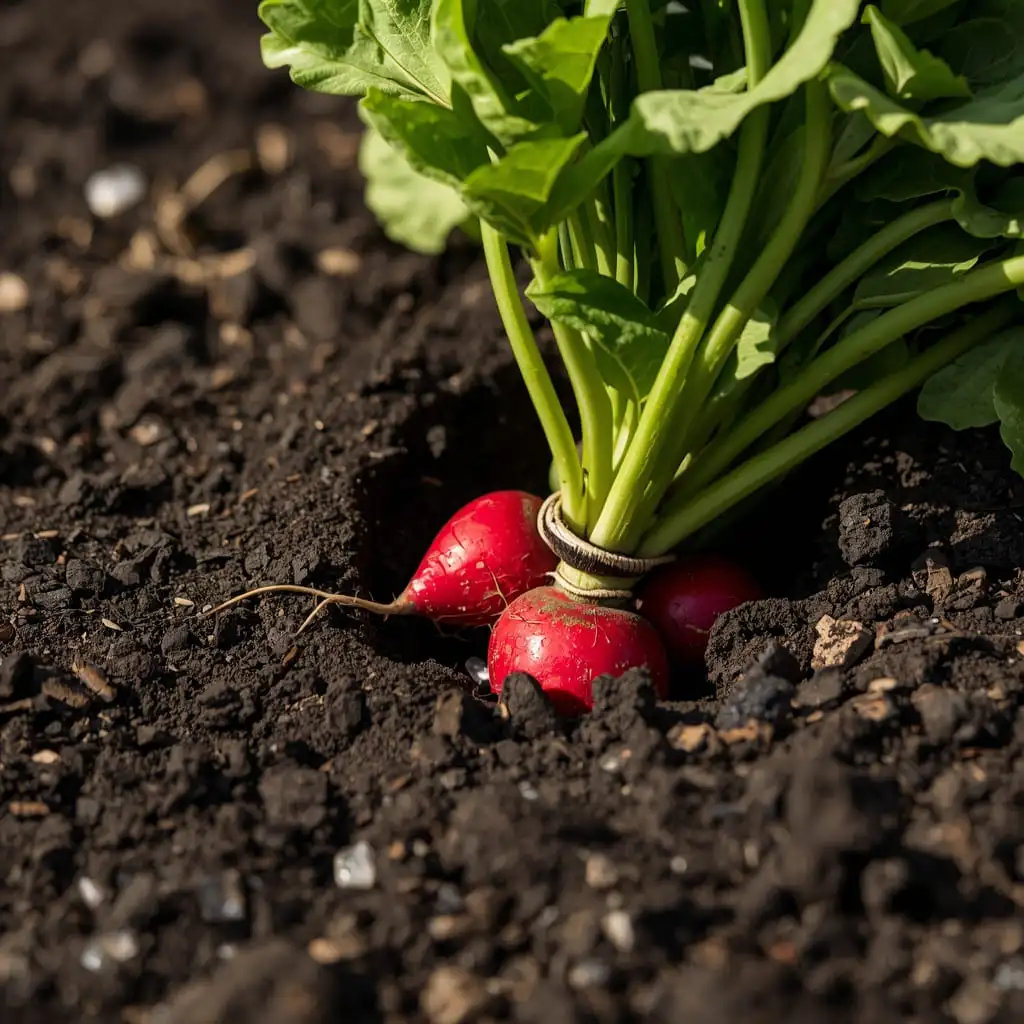
Radishes are the fastest vegetable you can grow. You can drop seeds in the ground today and be eating them in under a month. They are one of the best beginner garden vegetables because they need almost no care. Sow seeds directly in loose garden soil or a pot, water lightly, and let them grow.
Tip: Plant radishes between slower vegetables like carrots. They will be ready long before the carrots need the space.
2. Lettuce
Days to harvest: 30 to 45 days
Best season: Spring and fall
Sun needs: Partial to full sun
Pot friendly: Yes
Lettuce is one of the easiest vegetables to grow. It likes cooler weather, so it is perfect for spring planting and fall planting. You can start picking outer leaves as soon as they are big enough. This is called cut-and-come-again harvesting, and it gives you weeks of fresh salad from one plant.
Tip: Grow lettuce in a container on a shaded balcony. It does well with only 4 to 6 hours of sun per day.
3. Spinach
Days to harvest: 30 to 45 days
Best season: Spring and fall
Sun needs: Partial to full sun
Pot friendly: Yes
Spinach grows quickly in cool weather and gives you a lot of nutrition for very little effort. It has a shallow root system, which makes it perfect for pots and raised beds. Plant seeds about half an inch deep and keep the soil moist. You will see germination in just a few days.
Tip: Spinach bolts in summer heat. Stick to spring planting or fall planting for best results.
4. Arugula
Days to harvest: 30 to 40 days
Best season: Spring and fall
Sun needs: Full sun to partial shade
Pot friendly: Yes
Arugula has a peppery flavor that makes salads come alive. It is extremely quick to grow and very low maintenance. Scatter seeds across a pot or a raised bed, cover lightly with potting soil, and water. Within a week you will see sprouts. By week four you will be eating it.
Tip: Pick arugula young for a milder taste. The older it gets, the more bitter it becomes.
5. Green Onions
Days to harvest: 20 to 30 days
Best season: Spring and fall
Sun needs: Full sun
Pot friendly: Yes
Green onions are one of the fastest and most useful things you can grow at home. Plant seeds or slips in almost any container with good drainage. They grow in tight spaces and come back after cutting if you leave the roots in place. They are great for stir-fries, soups, and salads.
Tip: Save money by regrowing green onions from store-bought ones. Just place the roots in water for a few days before planting.
6. Bok Choy
Days to harvest: 45 to 60 days
Best season: Spring and fall
Sun needs: Full sun to partial shade
Pot friendly: Yes
Bok choy is a great beginner crop if you enjoy Asian cooking. It grows fast in cool weather and does well in raised beds. Sow seeds directly and thin to about 6 inches apart once they sprout. Keep the soil consistently moist for best growth.
Tip: Baby bok choy is ready even faster than full-sized heads. Harvest around 30 days for the small variety.
7. Bush Beans
Days to harvest: 50 to 60 days
Best season: Summer
Sun needs: Full sun
Pot friendly: Yes
Bush beans are one of the most rewarding easy vegetables to grow. They do not need stakes or supports like pole beans. Sow seeds directly in warm soil after the last frost. They love full sun and do not need much fertilizer since they fix their own nitrogen from the air. Great for USDA zones 3 through 10.
Tip: Plant a new row of bush beans every two weeks for a continuous harvest all summer.
8. Peas
Days to harvest: 60 to 70 days
Best season: Spring and fall
Sun needs: Full sun
Pot friendly: Yes
Peas love cool soil and are one of the first vegetables you can plant each spring. Sow seeds directly in the ground as soon as soil can be worked. Sugar snap peas and snow peas are especially tasty and easy for beginners. A short trellis helps, but they can also lean against a fence or grow in a large pot with a stick for support.
Tip: Soak pea seeds in water overnight before planting to speed up germination.
9. Baby Carrots
Days to harvest: 50 to 60 days
Best season: Spring and fall
Sun needs: Full sun
Pot friendly: Yes
Standard carrots take up to 80 days, but baby carrot varieties are ready in just 50 to 60 days. Use a deep pot or raised bed with loose, sandy soil for best results. Carrots need at least 12 inches of depth to grow straight. Thin seedlings to avoid crowding, which causes twisted roots.
Tip: Add compost and some sand to your garden soil before planting carrots. This loosens the soil and helps roots grow straight and fast.
10. Beets
Days to harvest: 50 to 70 days
Best season: Spring and fall
Sun needs: Full sun
Pot friendly: Yes
Beets are a two-for-one vegetable. You get the root and the leafy tops, both of which are edible. They grow well in raised beds and containers as long as the pot is deep enough. Beet seeds are actually clusters of seeds, so you will need to thin them after they sprout to avoid crowding.
Tip: Harvest beet greens early for salads. They taste best when young and tender.
11. Kale
Days to harvest: 55 to 75 days
Best season: Spring and fall
Sun needs: Full sun to partial shade
Pot friendly: Yes
Kale is a powerhouse green that keeps growing after you harvest leaves. It tolerates cold better than most vegetables, which makes it great for late-season gardening. Plant seeds or transplants in rich soil with good organic matter. Water consistently and keep an eye out for pests like caterpillars.
Tip: A light frost actually makes kale taste sweeter. Do not pull it when temperatures drop.
12. Cucumbers
Days to harvest: 50 to 65 days
Best season: Summer
Sun needs: Full sun
Pot friendly: Yes
Cucumbers grow fast in warm weather and give you a lot of fruit in a short time. They need full sun and warm soil to thrive. Bush cucumber varieties work great in pots, while climbing types do well trained up a trellis in raised beds. Water deeply and regularly to prevent bitter fruit.
Tip: Pick cucumbers when they are young and firm. Leaving them too long makes them tough and seeds become large.
13. Zucchini
Days to harvest: 50 to 65 days
Best season: Summer
Sun needs: Full sun
Pot friendly: Yes
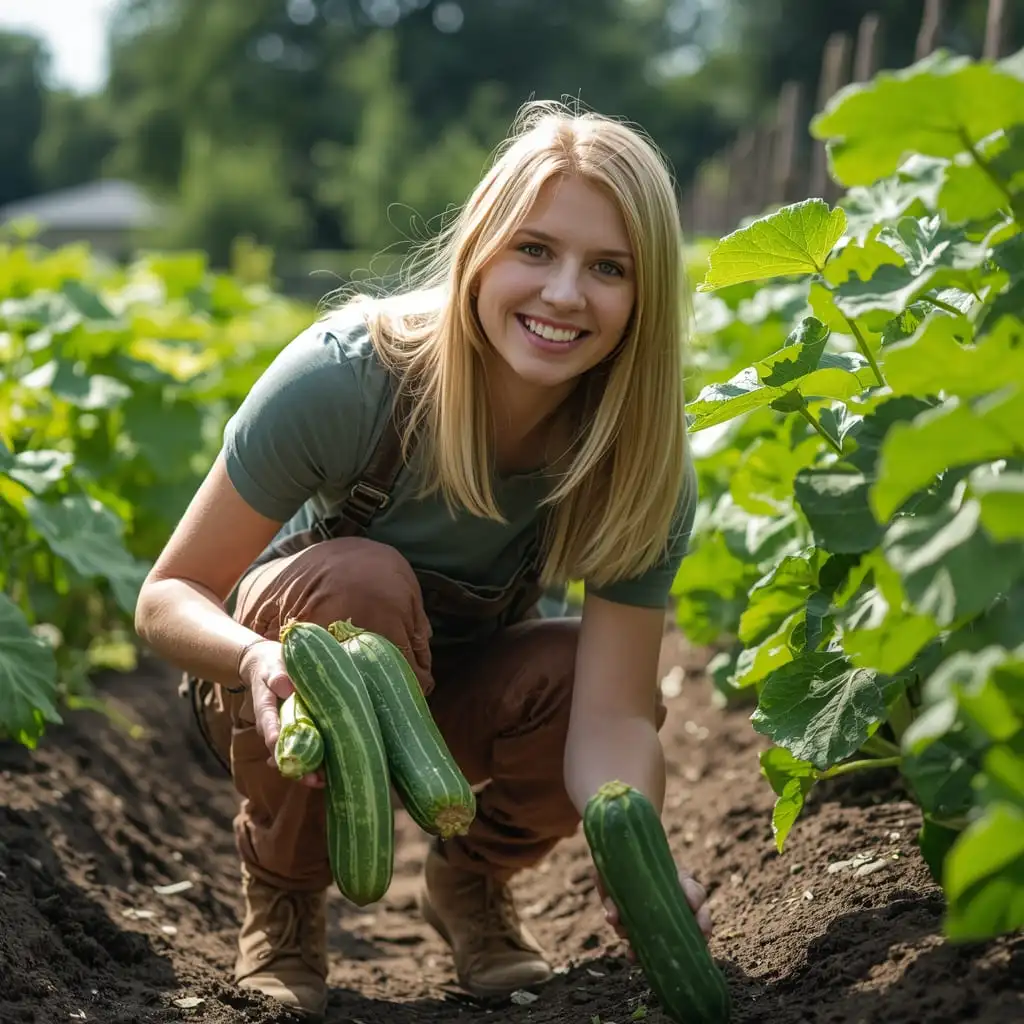
Zucchini is famous for producing abundantly with very little effort. One or two plants can feed a whole family. Give it rich soil with plenty of compost, full sun, and regular watering. The plants get large, so give them plenty of space in the garden. In containers, use a pot at least 15 inches wide.
Tip: Harvest zucchini when it is about 6 to 8 inches long. Bigger does not mean better with zucchini.
14. Turnips
Days to harvest: 40 to 60 days
Best season: Spring and fall
Sun needs: Full sun
Pot friendly: Yes
Turnips are underrated. They are fast, easy, and you can eat both the root and the greens. They prefer cool weather, which makes them perfect for spring planting and fall planting. Sow seeds directly in the ground and thin after sprouting. Turnips store well after harvest, which is a big plus.
Tip: Harvest turnip greens early for a tender, flavorful side dish. The roots keep growing below.
15. Microgreens
Days to harvest: 7 to 14 days
Best season: Any season indoors
Sun needs: Bright indoor light or a sunny windowsill
Pot friendly: Yes
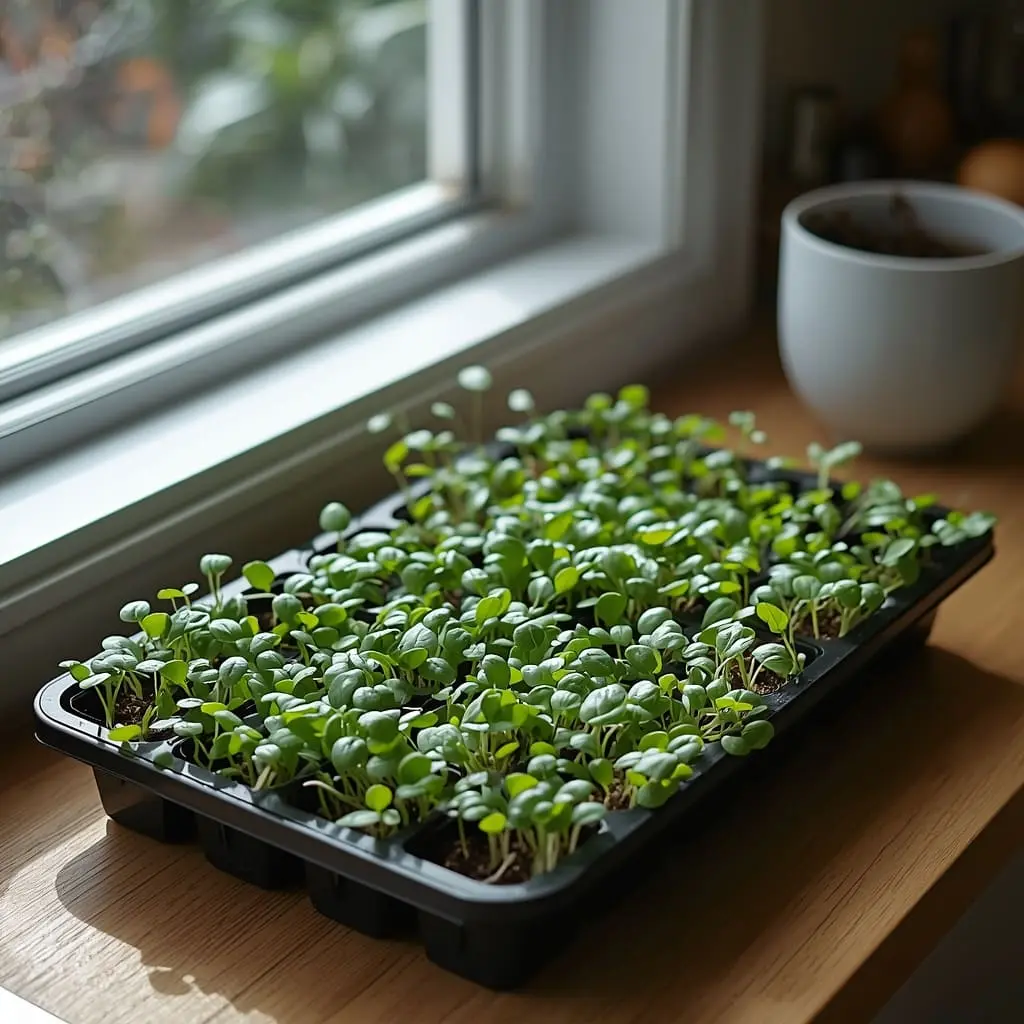
Microgreens are the fastest thing you can grow. These are just vegetable seeds harvested at the seedling stage, before they fully develop. You can grow them in a shallow tray with a thin layer of potting soil. Radish, sunflower, pea, and broccoli microgreens are some of the easiest. They are packed with nutrition and taste great on sandwiches and salads.
Tip: Microgreens need good air circulation to prevent mold. Place them near an open window or fan slightly.
Fastest Vegetables You Can Harvest in 30 Days
If you want results as fast as possible, focus on these four vegetables first:
These are vegetables ready in 30 days or less and are perfect for total beginners. They need minimal tools, almost no experience, and very little outdoor space. Even a sunny windowsill can work for microgreens.
Use Our Free Raised Bed Soil Calculator, Click the Following Link
Raised Bed Soil Calculator
Best Vegetables for Pots and Small Spaces
You do not need a big garden to grow your own food. Containers and pots work well for many quick-growing vegetables. Here are the top choices for small-space gardening:
Make sure any container has drainage holes at the bottom. Waterlogged soil kills vegetable roots fast. Use a quality potting mix, not garden soil, for pots. Good potting soil drains better and holds the right amount of moisture for container plants.
Best Time to Plant Fast Growing Vegetables
Spring Vegetables
Spring is the most popular time to start a beginner vegetable garden. Cool-season crops like lettuce, spinach, arugula, peas, and radishes all love spring planting. Start sowing seeds as soon as the last frost has passed in your USDA zone.
Summer Vegetables
Warm weather crops like zucchini, cucumbers, and bush beans need warm soil to thrive. Plant these after the soil reaches at least 60 degrees Fahrenheit. Summer is the best season for big harvests of heat-loving vegetables.
Fall Vegetables
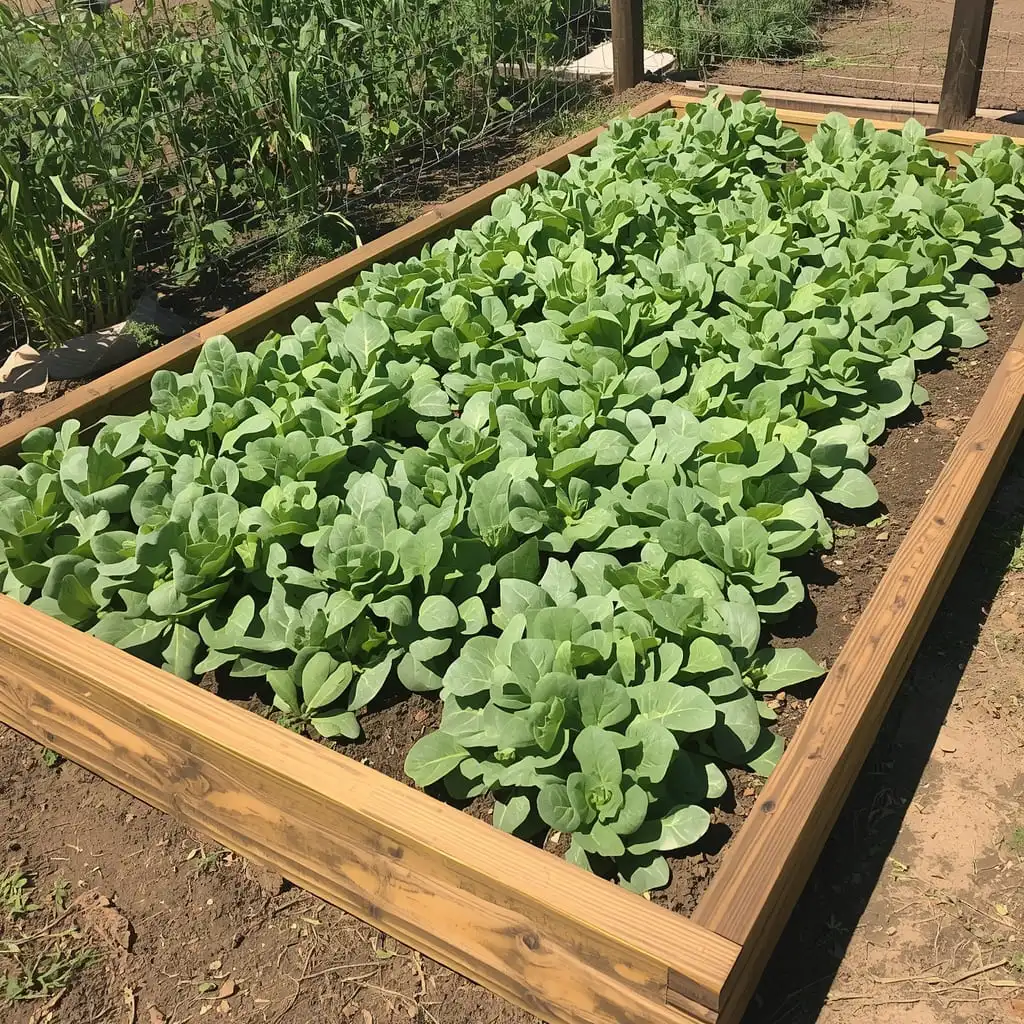
Fall planting is often overlooked but extremely rewarding. Kale, spinach, turnips, and beets all do beautifully in cool autumn weather. In many regions you can start a second crop of fast vegetables in late summer for a fall harvest. Check your local frost dates to plan ahead.
How to Grow Vegetables Faster Naturally
Even fast-growing vegetables grow faster with the right conditions. Here are the best ways to speed things up:
Add compost: Mix compost into your garden soil before planting. Compost feeds plants with slow-release nutrients and improves drainage at the same time.
Use good soil: Poor or compacted soil slows root growth. Raised beds filled with quality soil give vegetables room to spread their roots fast.
Give full sun: Most vegetables need 6 to 8 hours of direct sunlight per day. More sun means faster photosynthesis and quicker growth.
Water consistently: Inconsistent watering stresses plants. Water at the base of plants rather than overhead to prevent disease. Keep the soil evenly moist but never soggy.
Mulch the soil: A layer of mulch around your plants keeps moisture in the soil and soil temperatures stable. This reduces stress on young plants.
Space plants correctly: Crowded plants compete for nutrients and light. Follow the spacing guide on seed packets for best growth.
Try succession planting: Instead of planting everything at once, plant a small batch every two weeks. This gives you continuous harvests instead of one big one.
Common Beginner Mistakes That Slow Growth
Even with the best fast-growing vegetables, some common mistakes can hold your garden back. Here is what to avoid:
Overwatering: This is the number one beginner mistake. Too much water drowns roots and causes rot. Stick your finger an inch into the soil. If it is still moist, wait before watering.
Poor soil: Planting in hard, clay-heavy garden soil without amendments stunts growth. Always add organic matter and compost before planting.
Too much shade: Most vegetables will not perform well with less than 4 hours of direct sun. Pick the sunniest spot in your yard or balcony.
Crowding plants: Seeds are small and it is tempting to scatter them everywhere. But overcrowded plants cannot reach their potential. Thin seedlings once they sprout.
Harvesting too late: Leaving vegetables on the plant past their peak slows future production and affects flavor. Pick regularly to keep plants producing.
Wrong season planting: Planting cool-season crops in summer or heat-loving crops in spring cold snaps leads to failure. Match your crop to the season.
Quick Comparison Table
Here is a quick overview of all 15 vegetables at a glance:
| Vegetable | Days to Harvest | Easy Level | Pot Friendly |
| Radishes | 22-30 days | Very Easy | Yes |
| Lettuce | 30-45 days | Very Easy | Yes |
| Spinach | 30-45 days | Very Easy | Yes |
| Arugula | 30-40 days | Very Easy | Yes |
| Green Onions | 20-30 days | Very Easy | Yes |
| Bok Choy | 45-60 days | Easy | Yes |
| Bush Beans | 50-60 days | Easy | Yes |
| Peas | 60-70 days | Easy | Yes |
| Baby Carrots | 50-60 days | Easy | Yes |
| Beets | 50-70 days | Easy | Yes |
| Kale | 55-75 days | Easy | Yes |
| Cucumbers | 50-65 days | Easy | Yes |
| Zucchini | 50-65 days | Easy | Yes |
| Turnips | 40-60 days | Easy | Yes |
| Microgreens | 7-14 days | Very Easy | Yes |
Conclusion
Starting a vegetable garden does not have to feel overwhelming. The secret is to choose vegetables that grow fast for beginners and give you results before your excitement fades. Pick two or three vegetables from this list and start there. Radishes and lettuce are perfect first choices. Microgreens are ideal if you have no outdoor space at all.
Every small harvest teaches you something new. You learn to read your plants, understand your soil, and manage water. Before long, those small pots of lettuce turn into a proper raised bed full of food you grew yourself. If you’re just starting out, the Royal Horticultural Society offers simple advice for beginners learning how to grow their own vegetables: https://www.rhs.org.uk/advice/grow-your-own
Start simple. Stay consistent. Celebrate every harvest, no matter how small. The best beginner vegetable garden is the one you actually plant and tend. Now get out there and get growing.
Frequently Asked Questions
Radishes and microgreens are the fastest options. Microgreens are ready in as little as 7 days. Radishes are ready to eat in 22 to 30 days. Both are perfect for beginners who want quick results from their vegetable seeds.
The easiest vegetables for beginners include lettuce, radishes, spinach, green onions, and arugula. These need minimal care, grow quickly, and forgive common mistakes like inconsistent watering or slightly poor soil conditions.
Yes, absolutely. Most fast-growing vegetables do great in containers. Use pots with drainage holes and fill them with quality potting soil rather than garden soil. Lettuce, radishes, green onions, and baby carrots are some of the best choices for pot growing.
Microgreens grow in 7 to 14 days. Green onions and radishes are ready in 20 to 30 days. Arugula and some lettuce varieties are harvestable within 30 to 40 days. These are your go-to choices for a quick beginner vegetable garden.
Lettuce and radishes are often recommended as the best starting point for first-time gardeners. They are forgiving, fast, and give you tangible results quickly. Success with these builds confidence to try more complex crops later.
Most vegetables need 6 to 8 hours of full sun per day for best results. Some leafy greens like lettuce, spinach, and arugula can manage with 4 to 6 hours. Root vegetables and fruiting crops like cucumbers and zucchini need as much direct sunlight as possible.
Yes, growing food at home is very achievable for beginners. Start small with 2 or 3 easy vegetables in pots or a small raised bed. Focus on fast-growing crops so you see results quickly. With the right soil, sunlight, and watering habits, almost anyone can grow fresh vegetables at home.
Raised beds are excellent for almost any vegetable because you control the soil quality. Great choices for raised beds include lettuce, spinach, kale, carrots, beets, radishes, bush beans, and zucchini. Raised beds drain better than garden soil and warm up faster in spring, which speeds up germination and overall growth.