Onion Planting Guide: How to Grow Big, Healthy Onions at Home (Complete Step-by-Step Guide)
Onions are one of the most essential vegetables in kitchens around the world. From soups and salads to curries and stir-fries, onions add flavor, aroma, and depth to countless dishes. The good news for gardeners is that onions are also one of the easiest and most rewarding crops to grow at home. With the right timing, soil preparation, and care, you can harvest large, flavorful bulbs that store for months.
Whether you have a backyard garden, raised beds, or containers on a balcony, onions adapt well to different growing spaces. They require patience because of their long growing season, but they do not demand constant attention. Once established, onion plants grow steadily and reliably, making them ideal for beginner gardeners as well as experienced growers.
This complete onion planting guide will walk you through everything you need to know from choosing the right onion type to planting, caring for, harvesting, and storing your crop successfully.
Why Grow Onions at Home?
Growing onions at home offers many advantages beyond saving money at the grocery store. Growing onions at home gives you fresher, better-tasting bulbs than store-bought ones.
They are easy to grow and don’t require much space or constant care. Homegrown onions can be harvested at different stages, from green onions to full bulbs. Plus, one successful harvest can supply your kitchen for months.
Fresh Flavor and Quality
Homegrown onions taste fresher and often sweeter than store-bought ones. You can harvest them at different stages, from green onions to fully mature bulbs. Homegrown onions have a richer flavor and aroma than those from the store. They are freshly harvested, so they taste sweeter and more vibrant. You can pick them when they are young for a mild taste or let them mature fully. This freshness makes a big difference in everyday cooking.
Year-Round Supply
With proper storage, onions can last for months, ensuring a steady supply from a single harvest. Growing your own onions can provide a steady supply for many months. When stored properly, harvested onions stay fresh long after the season ends. You can plant different varieties to enjoy onions at different times of the year. This means fewer trips to the store and more homegrown food in your kitchen.
Space Efficiency
Onions can be planted closely together, allowing you to grow a large amount even in a small garden. Onions are perfect for small gardens because they don’t need much space to grow.
You can plant many onions close together in a single bed or container. Even a small area can produce a surprisingly large harvest. This makes them ideal for backyard gardens, raised beds, or balconies.
Versatility
You can grow onions from seeds, sets, or transplants, depending on your climate and schedule. Onions are incredibly versatile and can be used in almost every type of dish. You can grow them from seeds, sets, or seedlings depending on what suits you best. They can be harvested young as green onions or left to mature into full bulbs. This flexibility makes onions a great crop for both beginners and experienced gardeners.
Pest Resistance
Onions naturally repel some pests, making them useful companion plants in the garden. Onions naturally help repel many common garden pests with their strong smell. Planting them near other vegetables can protect nearby crops from damage. They are often used in companion planting to create a healthier garden. This makes onions not only useful to eat but also helpful for overall plant protection.
Understanding Onion Types
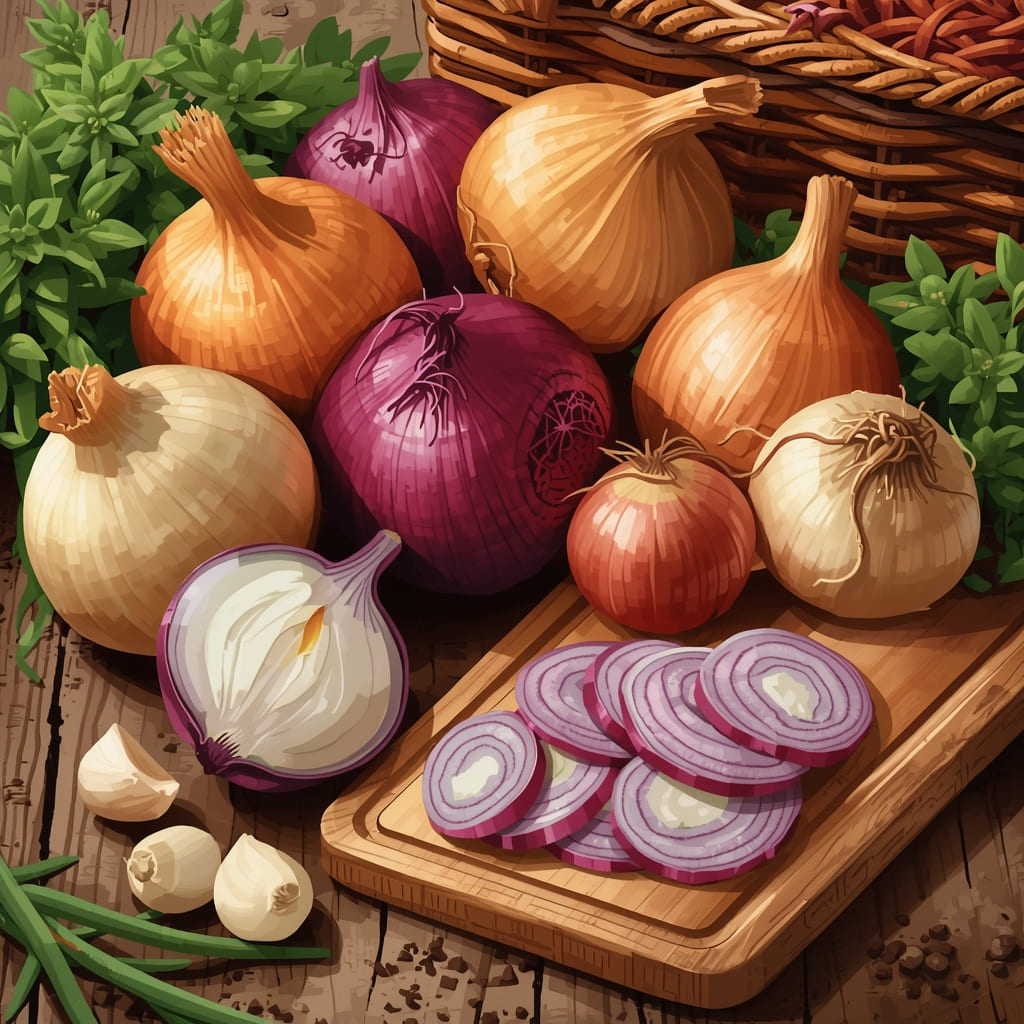
Choosing the right onion variety is crucial for success because onions respond strongly to day length and climate. Understanding onion types helps you choose the right variety for your climate. Different onions need different day lengths to form proper bulbs.
Some grow best in cooler regions, while others prefer warm areas. Picking the correct type ensures a healthier crop and a better harvest.
Long-Day Onions
- Require 14–16 hours of daylight to form bulbs
- Best suited for northern regions
- Planted in early spring
- Produce large bulbs
Examples: Walla Walla, Yellow Sweet Spanish
Short-Day Onions
- Need only 10–12 hours of daylight
- Ideal for southern regions
- Usually planted in fall or winter
- Mature earlier
Examples: Texas Sweet, Red Creole
Intermediate (Day-Neutral) Onions
- Adaptable to many regions
- Require about 12–14 hours of daylight
- Suitable for mid-latitude areas
Examples: Candy, Super Star
Understanding your region’s day length ensures your onions form proper bulbs instead of only leaves.
Onion Varieties by Color
Onions also differ in flavor and use based on color.
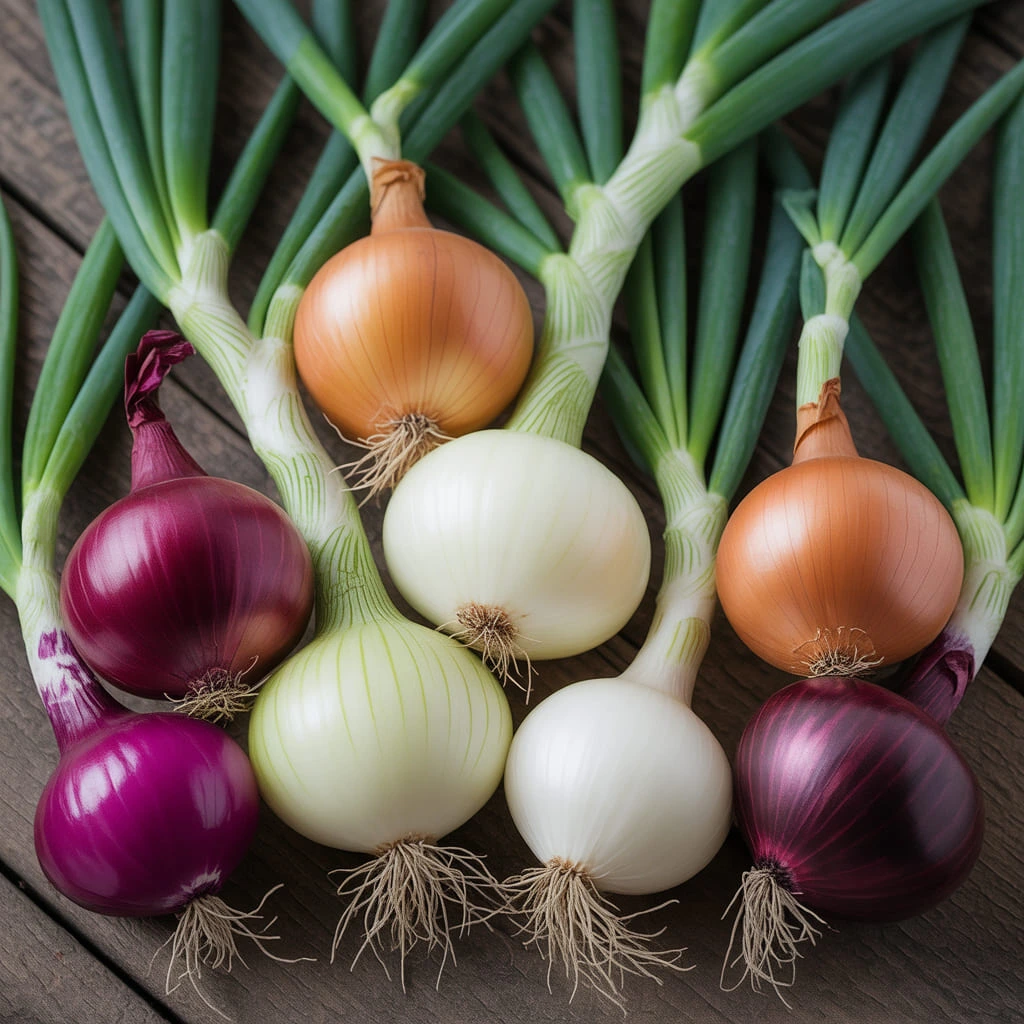
Yellow Onions
- Most common type
- Strong flavor when raw
- Sweetens when cooked
- Excellent for storage
Red Onions
- Mild, slightly sweet flavor
- Great for salads and raw dishes
- Attractive color
White Onions
- Crisp texture
- Sharp flavor
- Popular in Mexican cuisine
When to Plant Onions
Timing depends on your climate and onion type. Plant onions in early spring when the soil is workable and the weather is still cool. In warmer climates, they can also be planted in fall for an earlier harvest. Starting at the right time helps the plants develop strong roots and bulbs. Good timing is one of the most important steps for a successful onion crop.
Spring Planting
Most gardeners plant onions in early spring as soon as the soil can be worked. Cool temperatures encourage strong root development. Spring planting is the most common way to grow onions in many regions. Plant them as soon as the soil can be worked after winter. Cool weather helps the plants establish strong roots early on. With proper care, spring-planted onions will be ready to harvest by summer.
Fall Planting
In warmer climates, onions can be planted in fall to overwinter and produce early harvests. Fall planting works well in warmer climates where winters are mild. Plant onions in autumn so they can establish roots before cold weather arrives. They rest during winter and resume strong growth in early spring. This often leads to an earlier and sometimes larger harvest.
Indoor Seed Starting
If growing from seed, start indoors 8–10 weeks before the last frost. Indoor seed starting gives onions a strong head start before the outdoor season begins. Sow the seeds in trays about 8–10 weeks before the last expected frost. Keep the soil lightly moist and place them in a bright, sunny spot. Transplant the seedlings outside once the weather becomes mild and stable.
Seed Calculator to calculate seeds.
Choosing the Best Location
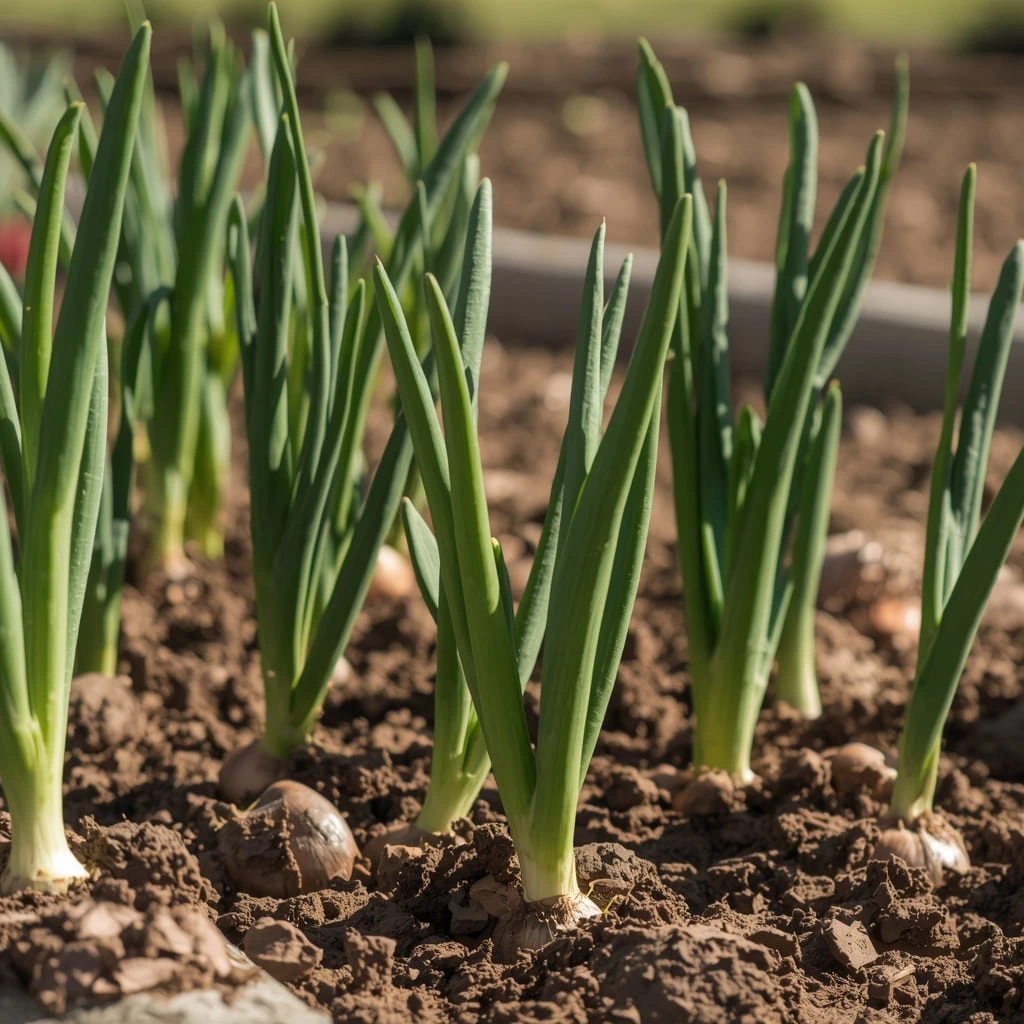
Onions grow best in the right conditions. Choose a location that gets full sunlight for most of the day. Make sure the soil drains well to prevent bulbs from rotting. Pick an open area with good air circulation for healthy growth. A well-chosen spot makes a big difference in the size and quality of your onions.
Sunlight
Onions need full sun — at least 6 to 8 hours daily.
Soil Drainage
Well-drained soil prevents rot and disease.
Air Circulation
Good airflow reduces fungal problems.
Avoid planting onions in the same spot where onions, garlic, or leeks grew the previous year.
Preparing Soil for Large Onion Bulbs
Onions are shallow-rooted but heavy feeders. Prepare loose, fertile soil so onion roots can grow easily. Mix in compost or well-rotted manure to boost nutrients. Remove stones and weeds that can block bulb development. Good soil preparation leads to larger, healthier onion bulbs at harvest.
Ideal Soil Conditions
- Loose, fertile soil
- Rich in organic matter
- pH between 6.0 and 7.0
Soil Preparation Steps
- Remove weeds and debris
- Loosen soil to 8–10 inches deep
- Mix in compost or aged manure
- Level the bed
Well-prepared soil is one of the biggest factors in producing large onions.
Growing Onions from Seeds, Sets, or Transplants
Onions can be grown from seeds, sets, or young transplants depending on your preference. Seeds offer more variety, while sets are quick and easy for beginners. Transplants give a head start and often produce larger bulbs. Choosing the right method helps ensure a successful and timely harvest.
Onion Seeds
- Cheapest option
- Largest variety selection
- Longest growing time
Onion Sets
- Small immature bulbs
- Quick and easy to plant
- Reliable for beginners
Transplants (Seedlings)
- Give a head start
- Produce larger bulbs
- More expensive
How to Plant Onions Step by Step
Start by choosing healthy seeds, sets, or transplants based on your growing season. Plant them in loose soil, spacing them properly so bulbs have room to expand. Water lightly after planting and keep the soil evenly moist as they establish. With sun, steady care, and weed control, your onions will grow strong and full.
Plant Spacing Calculator
Planting Seeds
- Sow ¼ inch deep
- Keep soil moist
- Thin seedlings later
Planting Sets
- Plant 1–2 inches deep
- Space 4–6 inches apart
- Rows 12 inches apart
Planting Transplants
- Plant slightly deeper than nursery soil level
- Firm soil gently
Watering Onions Properly
Onions need consistent moisture. Water onions regularly so the soil stays evenly moist but not soggy. Too much water can cause the bulbs to rot, while too little slows growth. During hot weather, check the soil often and water when the top feels dry. Reduce watering as harvest time approaches to help bulbs mature properly.
- Keep soil evenly moist
- Avoid waterlogging
- Reduce watering as bulbs mature
Mulching helps retain moisture and control weeds.
Feeding Onions for Maximum Growth
Onions benefit from nitrogen early in the season. Feed onions with a nitrogen-rich fertilizer early to support leafy growth. Healthy green leaves help produce larger bulbs underground. You can also add compost to improve soil nutrients naturally. Stop fertilizing once bulbs start forming so plants focus on bulb development.
Fertilizing Tips
- Apply balanced fertilizer at planting
- Feed every few weeks
- Stop fertilizing when bulbs begin forming
Healthy leaves mean larger bulbs.
Fertilizer Calculator
Weed Control
Onions struggle with weed competition due to shallow roots. Keep the area around onions free from weeds so they don’t compete for nutrients. Weeds can quickly crowd young plants and slow their growth. Remove weeds gently to avoid disturbing the shallow onion roots. Adding mulch helps suppress weeds and keeps the soil moist.
- Remove weeds regularly
- Mulch to suppress growth
- Avoid disturbing roots
Companion Planting with Onions
Onions grow well with many vegetables. Onions grow well alongside crops like carrots, lettuce, and cabbage. Their strong scent helps repel pests that damage nearby plants. They can improve overall garden health when planted strategically. Avoid placing them near beans or peas, as they may slow their growth.
Good Companions
- Carrots
- Lettuce
- Beets
- Cabbage
Plants to Avoid Nearby
- Beans
- Peas
Common Onion Pests and Diseases
Watch for pests like onion maggots and thrips that can damage leaves and bulbs. Diseases often develop in wet conditions, causing rot or leaf spots. Proper spacing and good airflow help prevent many common problems. Removing infected plants quickly can protect the rest of your crop.
Pests
- Onion maggots
- Thrips
Diseases
- Downy mildew
- Rot
Prevention methods include crop rotation, spacing, and proper watering.
Knowing When Onions Are Ready to Harvest
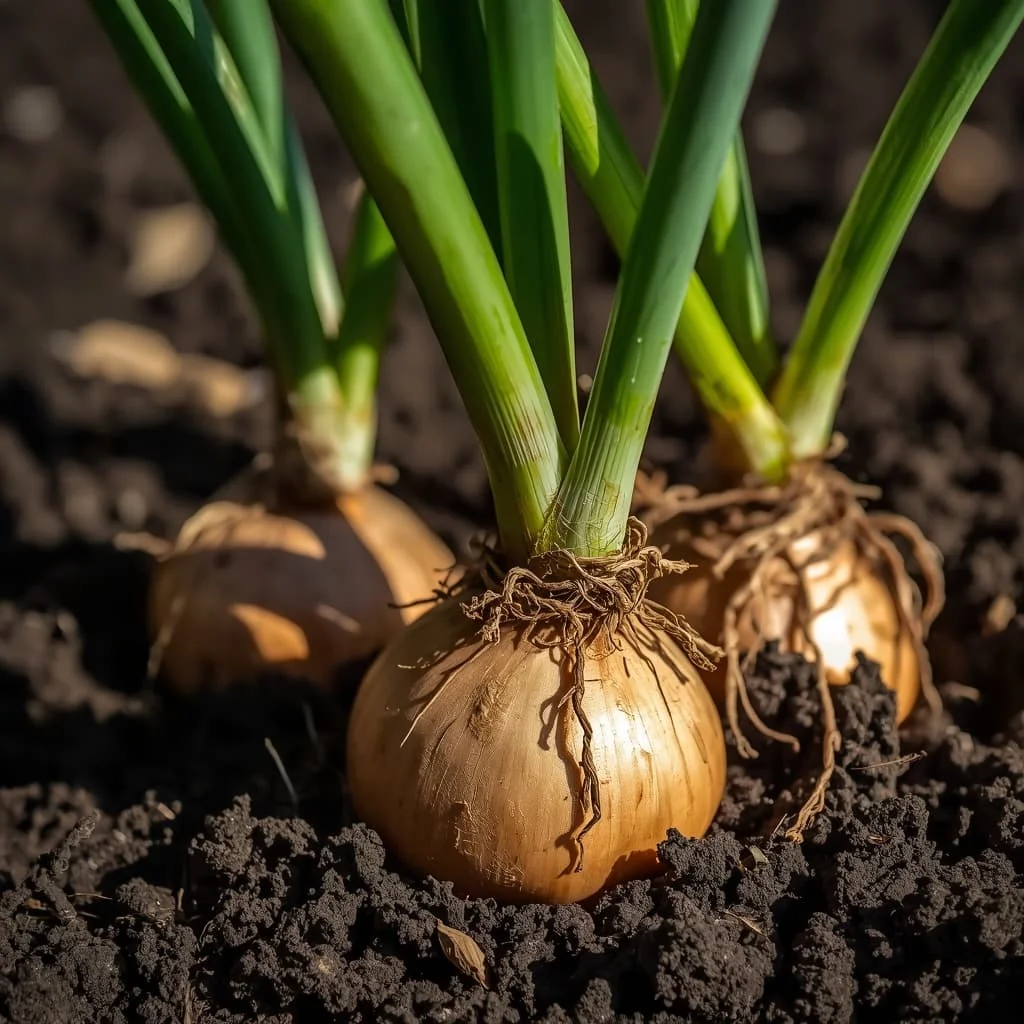
Onions signal maturity clearly. Onions are ready to harvest when the tops turn yellow and begin to fall over. This shows the bulbs have finished growing underground. Wait for a dry day to lift them from the soil carefully. Harvesting at the right time helps onions store longer and taste better.
Signs of Readiness
- Tops turn yellow
- Stems fall over
- Bulbs push above soil
Stop watering when tops begin to fall.
Harvesting Onions Without Damage
Loosen the soil gently around the bulbs before lifting them out. Pull carefully from the base to avoid bruising or cutting the onions. Do not yank the tops, as this can damage the bulb. Handle them gently so they store well after harvest.
- Loosen soil gently
- Lift bulbs carefully
- Avoid bruising
Harvest on a dry day.
Curing Onions for Storage
Curing is essential for long-term storage. After harvest, spread the onions in a dry, airy place out of direct sun. Let them cure for a few weeks until the outer skins become papery.
This process helps seal the bulbs and prevents rotting during storage. Once fully dry, trim the tops and roots to prepare them for keeping.
Curing Process
- Spread onions in a dry, airy place
- Keep out of direct sunlight
- Cure for 2–3 weeks
- Trim roots and tops
Storing Onions for Long-Term Use
Store onions in a cool, dry place with good air circulation. Use mesh bags, baskets, or crates to allow airflow around the bulbs. Keep them away from moisture to prevent sprouting or rot.
Properly stored onions can last for several months without losing quality.
- Cool, dry place
- Good air circulation
- Avoid plastic bags
Onions can last several months when stored correctly.
Growing Onions in Containers
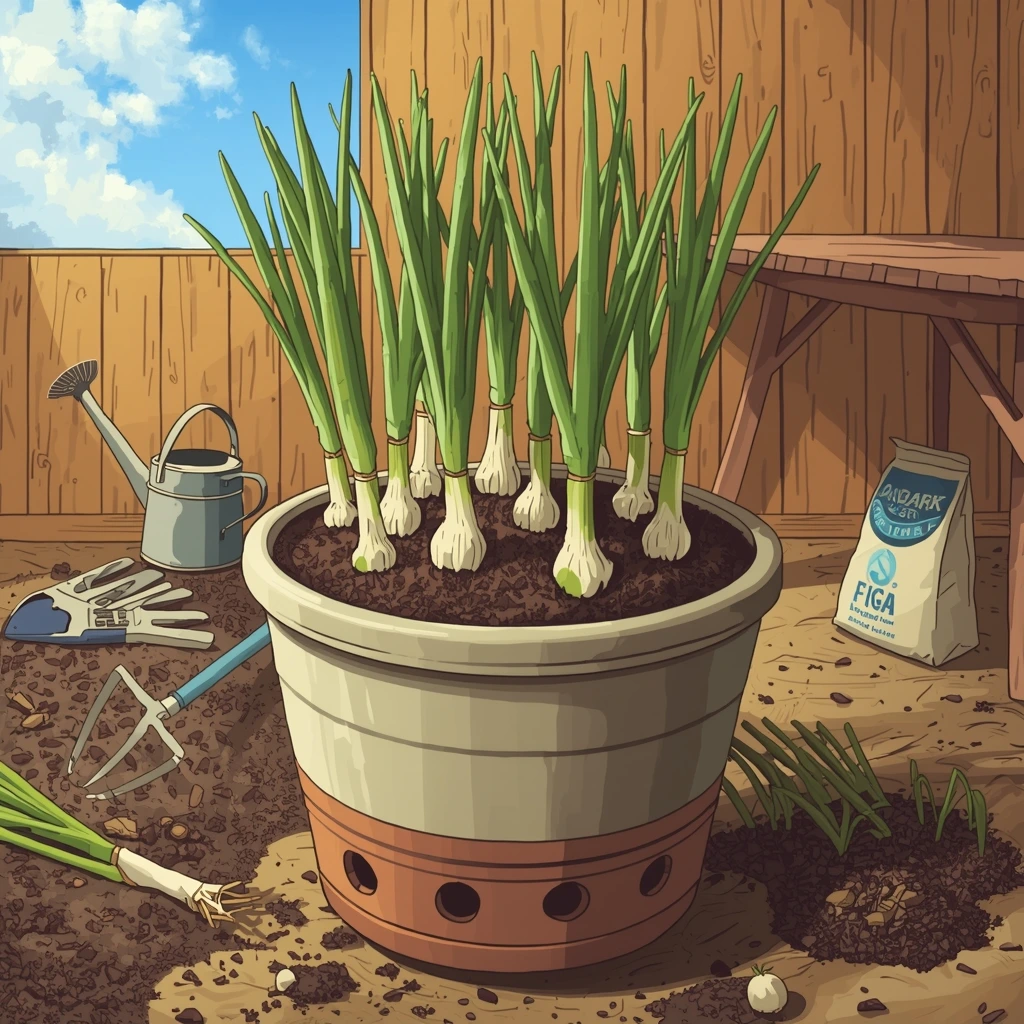
Container gardening is ideal for small spaces. Onions grow well in containers as long as the pot is deep and has drainage holes. Fill it with loose, nutrient-rich soil to support healthy bulb growth.
Place the container in a sunny spot and water regularly. Container gardening is a great option for small spaces like patios or balconies.
Container Requirements
- At least 10 inches deep
- Drainage holes
- Quality potting mix
Place in full sun and water regularly.
Tips for Growing Bigger Onions
- Choose the right variety
- Space properly
- Feed consistently
- Remove weeds
- Provide full sun
Final Thoughts
Onions are one of the most reliable and valuable crops you can grow in a home garden. They require patience, but the rewards are substantial — a harvest of flavorful bulbs that enhance your cooking for months. Once you understand their needs for sunlight, soil, water, and timing, onions become an easy addition to your yearly planting routine.
Growing onions also connects you with the natural cycle of the seasons. From planting tiny seeds or sets to harvesting mature bulbs, the process is deeply satisfying. With each season, your skills will improve, and your harvest will grow larger and healthier.
Plant onions once, learn their rhythm, and they will become a dependable staple in your garden year after year.ginner-friendly planting guide.

When is the best time to plant onions?
The best time to plant onions is in early spring when the soil becomes workable and temperatures are still cool. In warmer climates, onions can also be planted in fall for an earlier harvest.
How much sunlight do onions need to grow well?
Onions need full sun and should receive at least 6 to 8 hours of direct sunlight each day. Enough sunlight helps the plants produce large, healthy bulbs.
How often should onions be watered?
Onions should be watered regularly to keep the soil evenly moist but not soggy. Consistent watering is important during bulb formation, but watering should be reduced before harvest.
Why are my onions not forming large bulbs?
Small bulbs can result from overcrowding, poor soil nutrients, lack of sunlight, or planting the wrong onion type for your region. Proper spacing and feeding help produce bigger onions.
Can onions be grown in containers at home?
Yes, onions grow well in containers if the pot is deep, has drainage holes, and receives plenty of sunlight. Container-grown onions are ideal for small spaces like balconies or patios.