Spinach Planting Guide (Complete Beginner-Friendly Growing Guide)
Spinach is one of the easiest vegetables you can grow at home. It grows fast, needs very little space, and gives you fresh, healthy leaves in just a few weeks. If you are new to gardening, spinach is a perfect crop to start with. Spinach is a cool season vegetable.
In this complete spinach planting guide, you will learn everything you need to know — from choosing the right type to planting, watering, feeding, harvesting, and storing your spinach properly.
Spinach is one of the easiest vegetables you can grow at home.
It grows quickly and does well in cool weather.
With the right soil and watering, it produces fresh green leaves fast.
This guide will help you plant, care for, and harvest spinach step by step.
Whether you grow in the ground, raised beds, or containers, this guide will help you grow strong and healthy spinach plants.
Why Grow Spinach?
Spinach is popular for many good reasons.
First, it grows quickly. You can start harvesting baby leaves in about 25–30 days.
Second, it does not need much space. Even a small container on a balcony can grow spinach.
Third, it is very healthy. Spinach is rich in iron, vitamins A, C, and K, and fiber.
It is also a cool-season crop. This means it grows best in cooler weather, which makes it perfect for spring and fall planting. we also guide about spinach seed germination.
Types of Spinach
Before planting, it is important to understand the different types of spinach. Choosing the right variety helps you avoid problems like bolting.
There are different types of spinach, and each one grows a little differently.
Some have curly leaves, while others have smooth and flat leaves.
Certain types handle cold better, and some resist common diseases.
Choosing the right variety helps you get better growth and taste.
There are three main types of spinach:
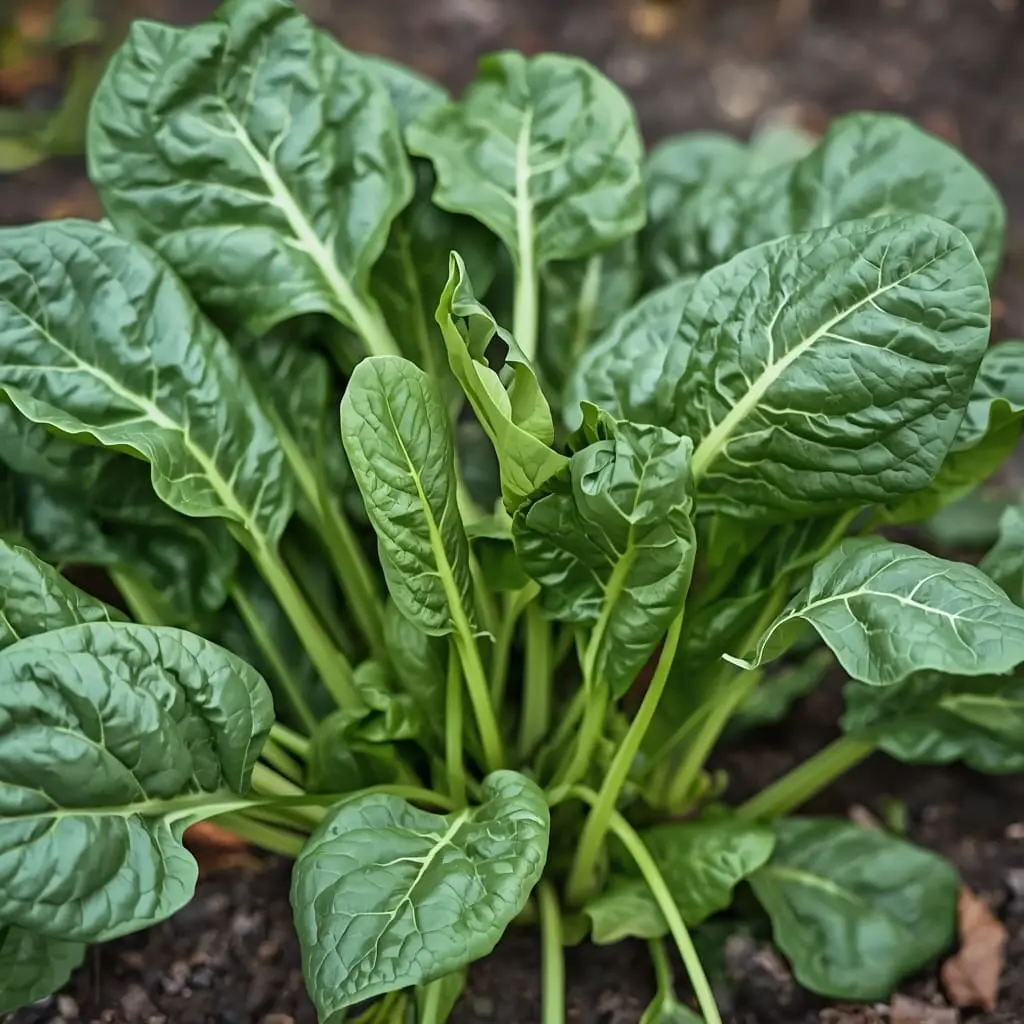
1. Savoy Spinach
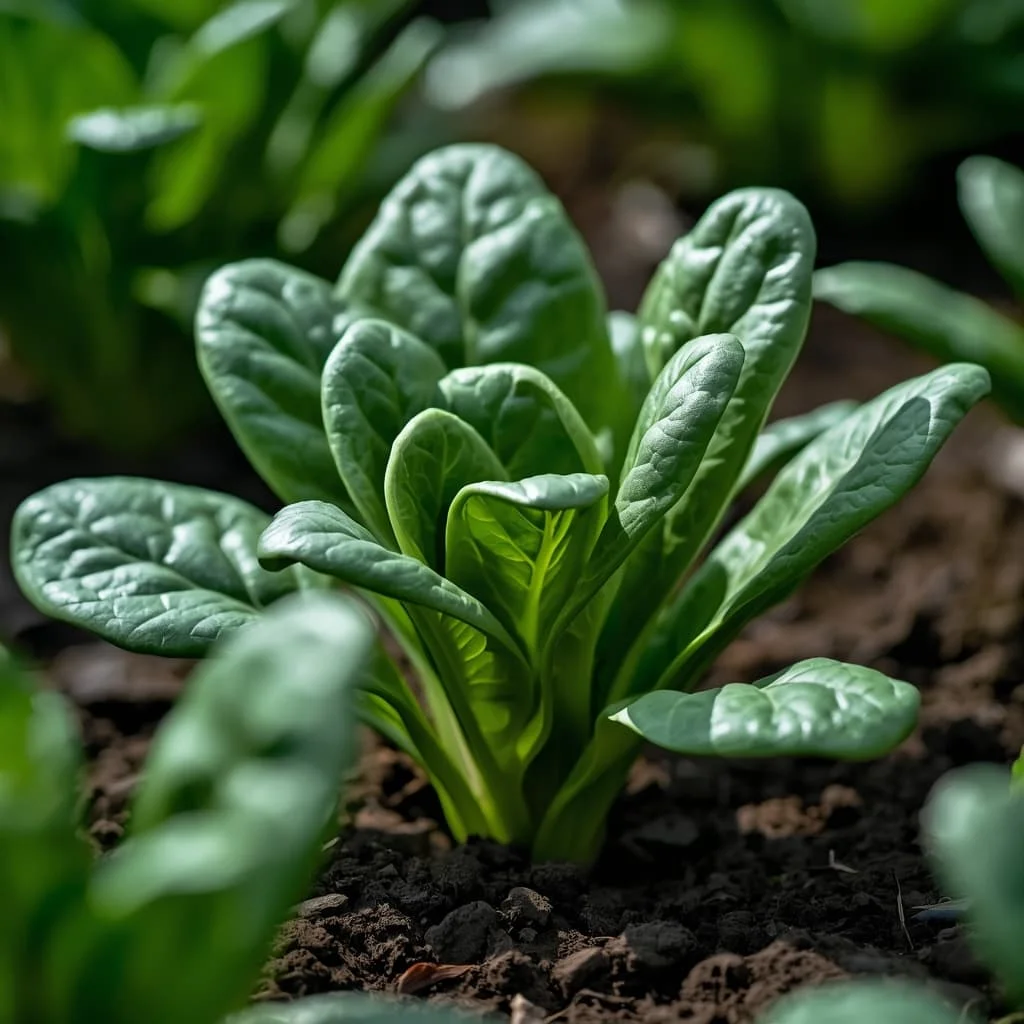
Savoy spinach has dark green, crinkled leaves. The texture is slightly curly and thick.
It is very hardy and handles cold weather well. However, the wrinkled leaves can hold soil, so washing takes more time.
Savoy spinach has dark green leaves with a wrinkled texture.
The leaves are thick and slightly curly.
It grows well in cool weather and handles frost better than many types.
Because of its crinkled leaves, it may need extra washing before eating
Popular savoy varieties:
- Bloomsdale
- Regiment
- Tyee
2. Semi-Savoy Spinach
Semi-savoy spinach has slightly crinkled leaves but is easier to clean than savoy.
It is resistant to common spinach diseases and works well in home gardens.
Popular semi-savoy varieties:
- Teton
- Catalina
3. Smooth-Leaf Spinach
This type has flat, smooth leaves. It is easier to wash and is often used in packaged spinach from stores.
It grows quickly and is great for beginners.
Popular smooth varieties:
- Space
- Red Cardinal
- Baby’s Leaf
Best Time to Plant Spinach
Spinach grows best in cool weather. Spinach grows best in cool weather during spring and fall.
Plant it a few weeks before the last frost in spring.
You can also plant again in late summer for a fall harvest.
Avoid planting in hot weather because heat makes spinach turn bitter quickly.
Spring Planting
Plant spinach 4–6 weeks before the last frost date in your area.
The soil temperature should be between 40°F and 70°F (4°C to 21°C).
Spinach can survive light frost. In fact, cool weather improves the flavor.
Fall Planting
You can plant spinach again in late summer for a fall harvest.
Plant about 6–8 weeks before the first frost date.
Fall spinach often tastes sweeter because cool nights improve flavor.
Can You Grow Spinach in Summer?
Spinach does not like hot weather. When temperatures go above 75°F (24°C), spinach may bolt.
Bolting means the plant starts producing flowers and seeds instead of leaves. When this happens, the leaves become bitter.
If you want to grow in warmer weather:
- Choose bolt-resistant varieties
- Provide shade
- Water consistently
Spinach Spacing Calculator
Planning your spinach garden correctly helps you avoid overcrowding and increases yield. Use this simple calculator to estimate how many spinach plants you can grow in your garden bed or container.
Recommended Spacing
- Baby spinach: 3 inches apart
- Full-size spinach: 6 inches apart
- Row spacing: 12 inches apart
How to Use This Calculator
- Enter your garden bed length (in feet).
- Enter your garden bed width (in feet).
- Select plant spacing (3 or 6 inches).
- Click calculate.
The calculator will estimate:
- Total number of spinach plants
- Estimated harvest potential
Ideal Soil for Spinach
Spinach grows best in rich, well-draining soil. Spinach grows best in loose, rich soil that drains well.
The soil should not stay wet for too long after watering.
Mix compost into the soil before planting to improve growth.
Good soil helps spinach grow fast and produce healthy green leaves.
Soil Requirements
- pH level: 6.0 to 7.0
- Loose and crumbly texture
- High in organic matter
- Good drainage
Before planting, mix compost into the soil. Compost improves soil structure and adds nutrients.
Avoid heavy clay soil because it holds too much water.
If your soil drains poorly, consider raised beds.
| Plant Type | Spacing | Harvest Time |
|---|---|---|
| Baby Spinach | 3 inches | 25 days |
| Full Size Spinach | 6 inches | 45 days |
How to Plant Spinach Seeds
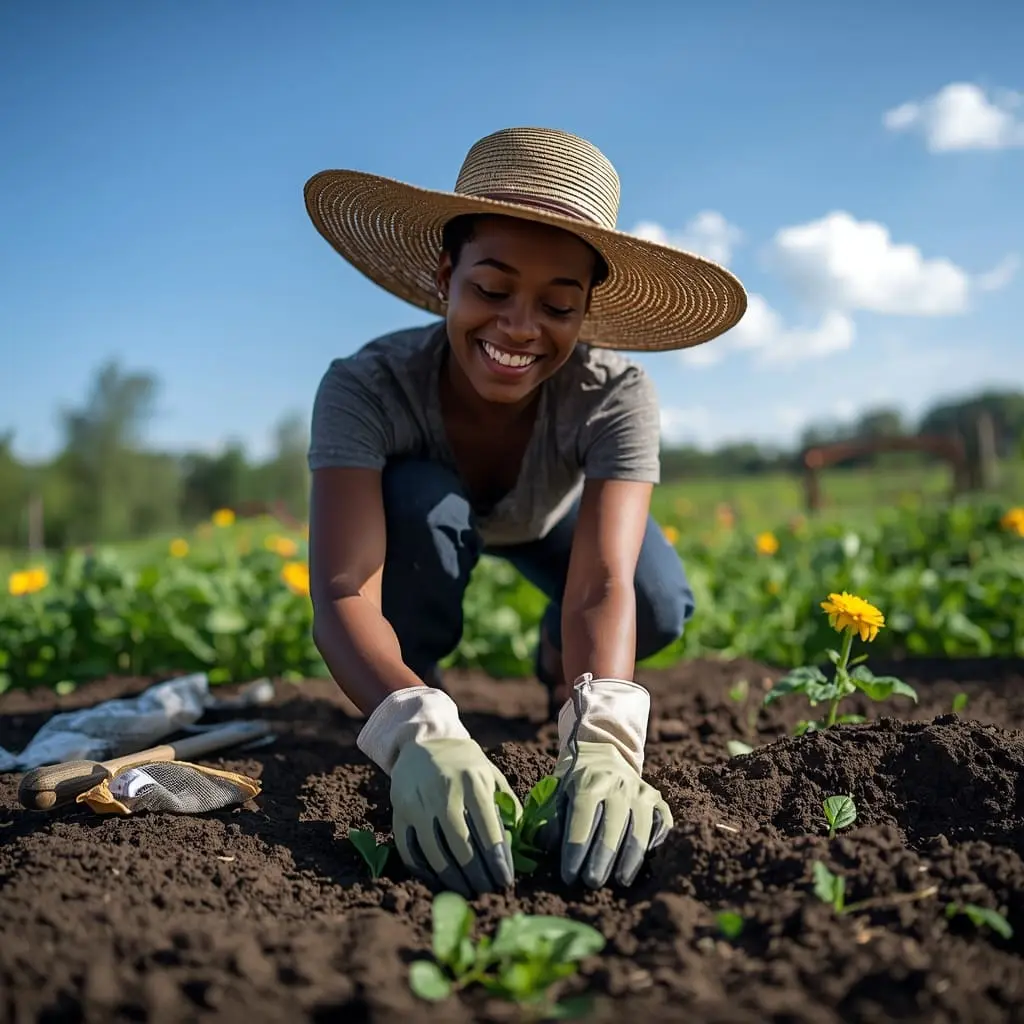
Spinach is usually grown from seeds. It does not transplant very well because it has delicate roots. Plant spinach seeds directly into the soil where you want them to grow.
Make small holes about half an inch deep and drop the seeds in.
Cover them lightly with soil and press gently.
Water carefully to keep the soil moist until the seeds sprout.
Follow these simple steps:
Step 1: Prepare the Soil
Loosen the soil about 8–10 inches deep.
Remove stones and weeds.
Mix in compost before planting.
Step 2: Sow the Seeds
Plant seeds directly in the soil.
- Depth: ½ inch deep
- Spacing: 1 inch apart
- Row spacing: 12 inches apart
After planting, gently cover the seeds with soil.
Step 3: Water Gently
Water lightly but evenly.
Keep the soil moist until seeds germinate.
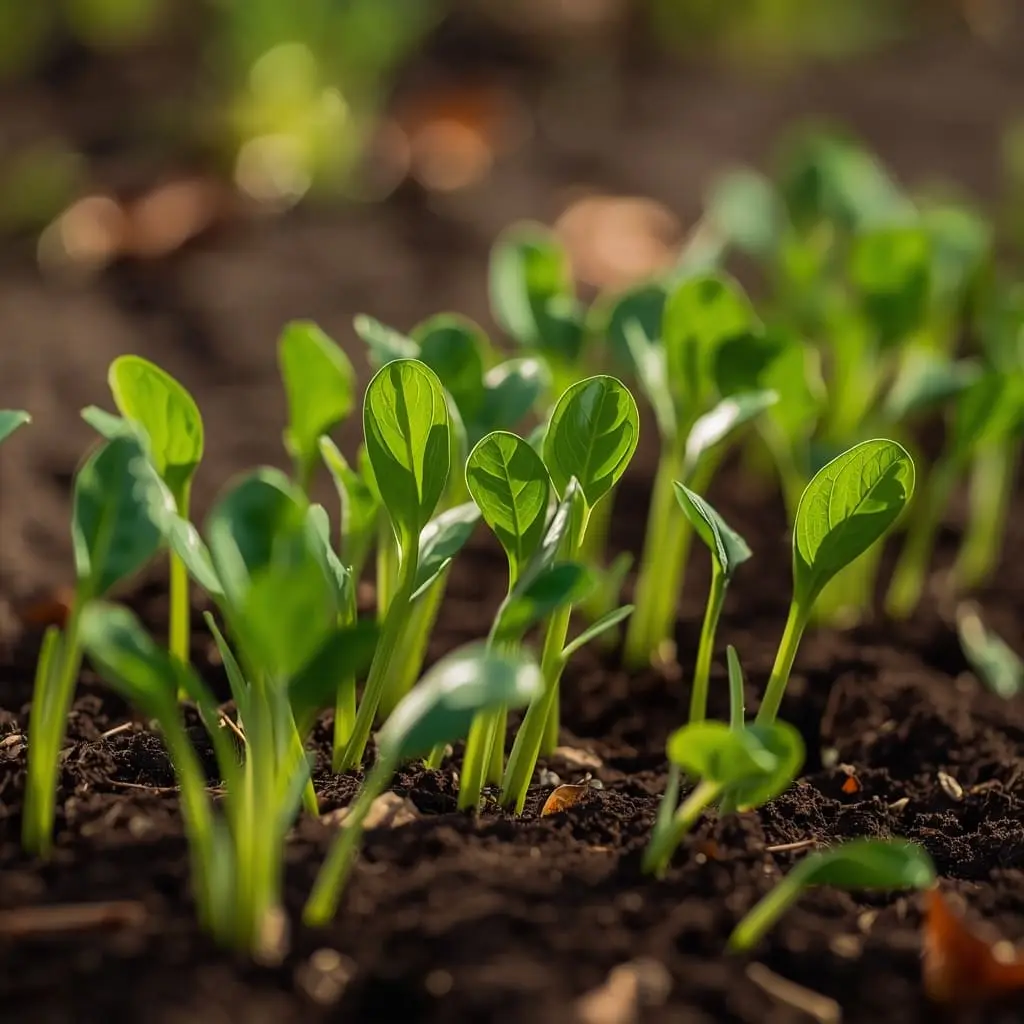
Seeds usually sprout in 5–10 days.
Thinning Spinach Seedlings
When seedlings grow 2 inches tall, thin them. When the seedlings grow a few inches tall, it’s time to thin them.
Remove the weaker plants so the stronger ones have space to grow.
Leave about 3 to 6 inches between each plant.
Thinning helps air move freely and keeps the plants healthy.
Thin plants to about:
- 3–4 inches apart for baby leaves
- 6 inches apart for full-size leaves
Thinning allows proper air circulation and healthy growth.
Do not throw away the small seedlings. You can eat them.
How to Grow Spinach in Containers
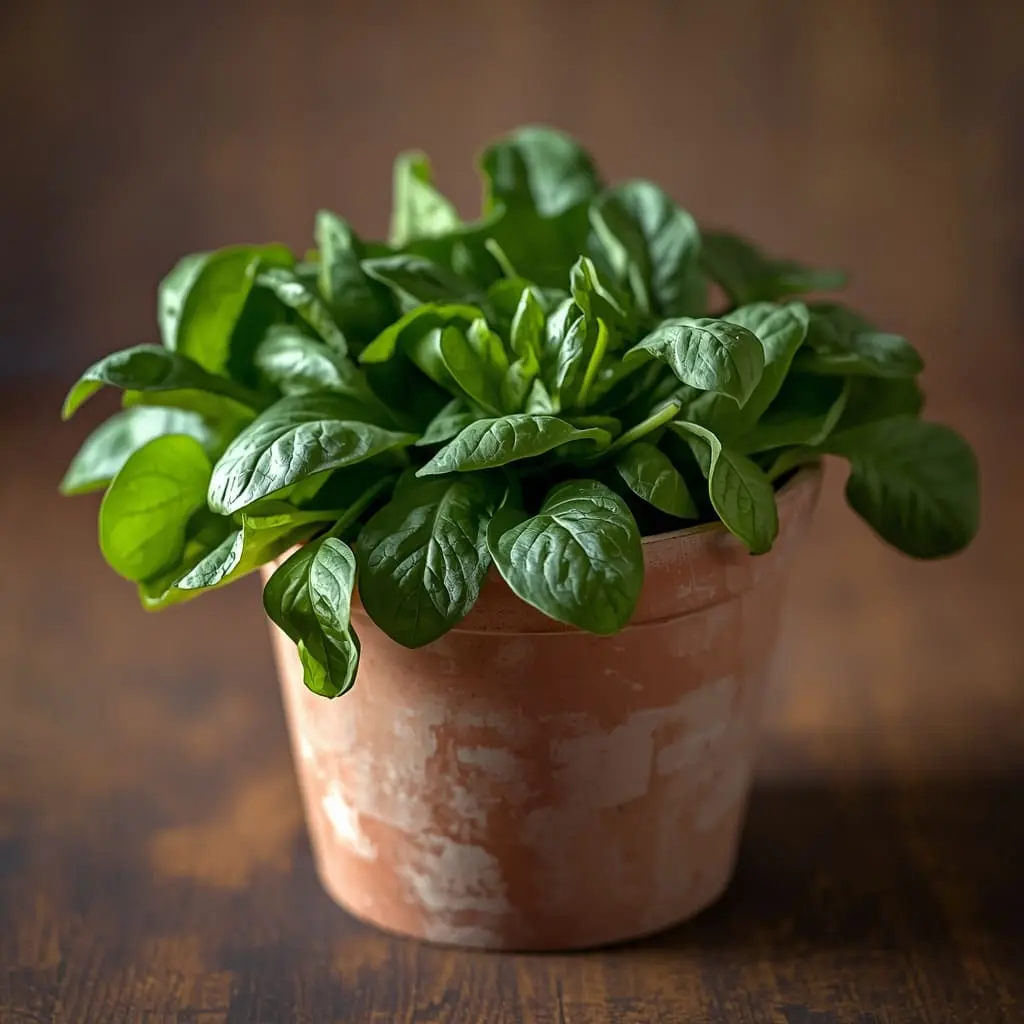
Spinach grows very well in containers. Spinach grows well in pots and small containers.
Choose a container that is at least 6 to 8 inches deep.
Make sure it has drainage holes so water does not collect at the bottom.
Place it in a spot with good sunlight and water regularly to keep the soil moist.
Container Requirements
- Minimum depth: 6–8 inches
- Drainage holes required
- Use good quality potting mix
Plant seeds 1 inch apart and thin as needed.
Place the container where it gets:
- 4–6 hours of sunlight
- Partial shade in warm areas
Containers dry out faster, so check soil moisture regularly.
Watering Spinach
Spinach needs consistent moisture. Spinach needs steady moisture to grow soft and healthy leaves.
Water the plants when the top layer of soil starts to feel dry.
Do not let the soil become too dry or too soggy.
Regular watering helps prevent bitter taste and slow growth.
Do not let the soil dry completely.
Water deeply once or twice per week, depending on weather.
Signs of underwatering:
- Wilted leaves
- Slow growth
Signs of overwatering:
- Yellow leaves
- Root rot
- Mushy stems
Always water at the base of the plant. Avoid wetting leaves to reduce disease risk.
Feeding Spinach Plants
Spinach grows quickly and needs nutrients. Spinach grows fast, so it needs nutrients to stay strong.
Mix compost into the soil before planting for steady feeding.
You can add a light fertilizer every few weeks if needed.
Healthy soil helps the leaves grow thick and green.
If you added compost before planting, that may be enough.
For extra growth:
- Use balanced fertilizer (10-10-10)
- Apply every 2–3 weeks
- Or use fish emulsion
Do not over-fertilize. Too much nitrogen can cause weak growth.
Sunlight Requirements
Spinach prefers full sun in cool weather. Spinach grows best in full sun during cool weather.
It needs about 4 to 6 hours of sunlight each day.
In warmer areas, a little afternoon shade helps protect the plants.
Too much heat and strong sun can make spinach bolt early.
- 6 hours of sunlight is ideal.
- In warm climates, give partial shade.
Too much heat leads to bolting.
Companion Planting for Spinach
Companion planting helps improve growth and reduce pests. Spinach grows well next to many other garden plants.
It does especially well with lettuce, radishes, peas, and carrots.
These plants help use space wisely and do not compete too much for nutrients.
Avoid planting it near crops that take up heavy space or block sunlight.
Good Companion Plants
- Lettuce
- Radishes
- Peas
- Carrots
- Strawberries
- Cabbage
Plants to Avoid
- Potatoes
- Fennel
Growing spinach near peas helps because peas add nitrogen to the soil.
Common Spinach Problems
1. Bolting
Cause: Hot weather or long daylight hours.
Solution:
- Plant early
- Provide shade
- Choose bolt-resistant varieties
2. Yellow Leaves
Cause:
- Overwatering
- Nutrient deficiency
- Poor drainage
Solution:
- Improve soil drainage
- Use compost
- Avoid excess watering
3. Spinach Leaf Miners
These insects create tunnels inside leaves.
Solution:
- Remove affected leaves
- Use row covers
- Keep garden clean
4. Aphids
Small insects that suck plant sap.
Solution:
- Spray with water
- Use neem oil
- Introduce ladybugs
When to Harvest Spinach
Spinach grows fast.
You can start harvesting:
- Baby leaves: 25–30 days
- Full leaves: 40–50 days
Harvest Method
Use clean scissors.
Cut outer leaves first.
Leave inner leaves to continue growing.
You can harvest multiple times from the same plant.

How to Harvest for Continuous Growth
Do not pull the entire plant unless you want a full harvest.
Instead:
- Pick 2–3 outer leaves per plant
- Harvest every few days
This method allows plants to produce longer.
Can You Grow Spinach Year-Round?
In mild climates, yes.
In cold areas:
- Use cold frames
- Use row covers
- Grow in greenhouse
In hot areas:
- Grow in fall and winter only
How to Store Fresh Spinach
Spinach does not last very long after harvest.
Short-Term Storage
- Wash gently
- Dry completely
- Store in fridge
- Use within 5–7 days
Keep in a container lined with paper towel.
Long-Term Storage (Freezing)
- Wash and blanch for 2 minutes
- Cool in ice water
- Drain and freeze
Frozen spinach lasts several months.
Spinach Growing Timeline
Week 1: Seeds germinate
Week 2–3: Seedlings grow
Week 4: Baby leaves ready
Week 6–7: Full harvest
Key Takeaways
- Spinach grows best in cool weather.
- Plant in spring and fall.
- Keep soil moist but not soggy.
- Harvest outer leaves first.
- Avoid heat to prevent bolting.
Frequently Asked Questions (FAQ)
How long does spinach take to grow?
Spinach takes about 25–50 days depending on the variety and harvest size.
Does spinach need full sun?
Yes, but it prefers cooler temperatures. In warm areas, partial shade is better.
Can spinach grow in pots?
Yes. Use containers at least 6 inches deep with good drainage.
Why is my spinach bitter?
Bitterness usually happens when plants bolt in hot weather.
How often should I water spinach?
Water when the top inch of soil feels dry. Keep soil evenly moist.
Final Thoughts
Spinach is one of the easiest vegetables you can grow in any home garden. It grows quickly, does not need much space, and can be planted in the ground, raised beds, or even small containers. Within just a few weeks, you can start picking fresh, tender leaves for salads, smoothies, soups, and everyday cooking.
When you plant at the right time and give your spinach good soil, steady water, and enough sunlight, it rewards you with healthy green growth. It does not require complicated care, which makes it perfect for beginners who are just starting their gardening journey. Even small efforts can give you a steady supply of fresh leaves.
Start with a small patch or a simple pot on your balcony. Watch how quickly the seeds sprout and turn into strong plants. Harvest the outer leaves first and let the center continue growing so you can enjoy multiple harvests from the same plant.
Growing your own spinach is simple, satisfying, and a great way to enjoy fresh food straight from your garden. Once you see how easy it is, you may feel inspired to grow more vegetables and expand your garden season after season.
Helpful Growing Guides
- Bell Pepper Planting Guide
- Onion Planting Guide
- Spinach Planting Guide
- Garlic Planting Guide
- Broccoli Planting Guide
Frequently Asked Questions About Growing Spinach
How long does spinach take to grow?
Spinach grows quickly and is ready for baby leaf harvest in about 25 to 30 days.
For full-size leaves, it usually takes around 40 to 50 days.
Cool weather helps it grow faster and taste better.
Warmer temperatures may slow growth or cause early bolting.
When is the best time to plant spinach?
Spinach grows best in cool seasons like early spring and fall.
Plant it a few weeks before the last frost in spring.
You can also plant it again in late summer for fall harvest.
Avoid planting during hot summer months.
Can spinach grow in containers?
Yes, spinach grows very well in pots and small containers.
Choose a container at least 6 to 8 inches deep.
Make sure it has drainage holes at the bottom.
Keep the soil moist and place it in a sunny spot.
Why does spinach taste bitter?
Spinach becomes bitter when it grows in hot weather.
High temperatures make the plant bolt and produce flowers.
Once it bolts, the leaves lose their mild flavor.
Planting in cooler weather helps prevent bitterness.
How often should I water spinach?
Water spinach when the top layer of soil feels dry.
The soil should stay evenly moist but not soaked.
Too little water can cause slow growth.
Too much water can damage the roots.
Can I harvest spinach more than once?
Yes, you can harvest spinach several times.
Pick the outer leaves first and leave the center leaves to grow.
This method helps the plant continue producing new leaves.
Regular harvesting encourages healthy growth.