
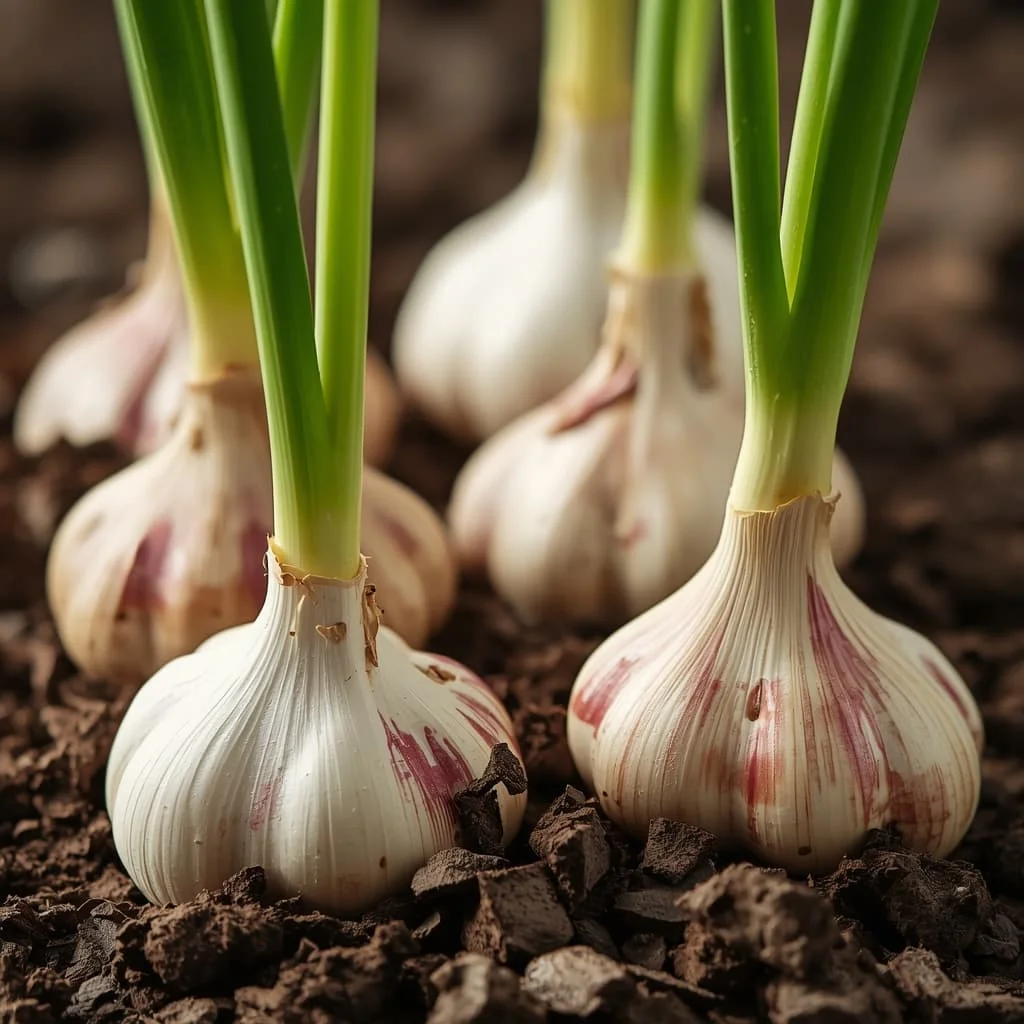
Garlic Planting Guide: How to Grow Big, Flavorful Garlic at Home
Garlic is one of the most dependable, low stress crops you can grow in a home garden by using this Garlic Planting Guide. It doesn’t demand constant care, it tolerates cold weather, and it quietly develops underground for months before rewarding you with a harvest that can last most of the year. Once you grow garlic successfully, it will become a permanent part of your garden routine.
Many gardeners say garlic feels almost magical. You plant individual cloves in the fall when the garden is winding down, cover them with mulch, and then forget about them through winter. When spring arrives, green shoots push through the soil long before most other vegetables wake up. By early summer, those shoots transform into full plants with thick stems and developing bulbs hidden beneath the surface.
The difference between homegrown garlic and garlic bought from stores garlic is very different according to features. Fresh garlic has a stronger aroma, juicier cloves, and richer flavor. It also stores longer and peels more easily. For cooks, it is a game changer. For gardeners, it’s one of the most satisfying crops you can grow.
This complete guide will teach you everything you need to know. You have to choose varieties and preparing soil to harvesting and storing your garlic so it lasts for months.
Why Every Garden Should Include Garlic
Garlic earns its place in the garden for many reasons.
First, it’s extremely space efficient. A small bed can produce dozens of bulbs. Second, it requires minimal maintenance compared to many vegetables. Third, it naturally repels some pests, making it useful as a companion plant.
Garlic also fits beautifully into the seasonal gardening. When summer crops are finished and beds start to empty, garlic gives you something to plant. It carries your garden through winter and provides an early harvest before most other crops are ready.
Perhaps most importantly, garlic is reliable. Even in less than perfect conditions, it usually produces something. With good soil and proper timing, it produces impressive bulbs that can supply your kitchen for months.
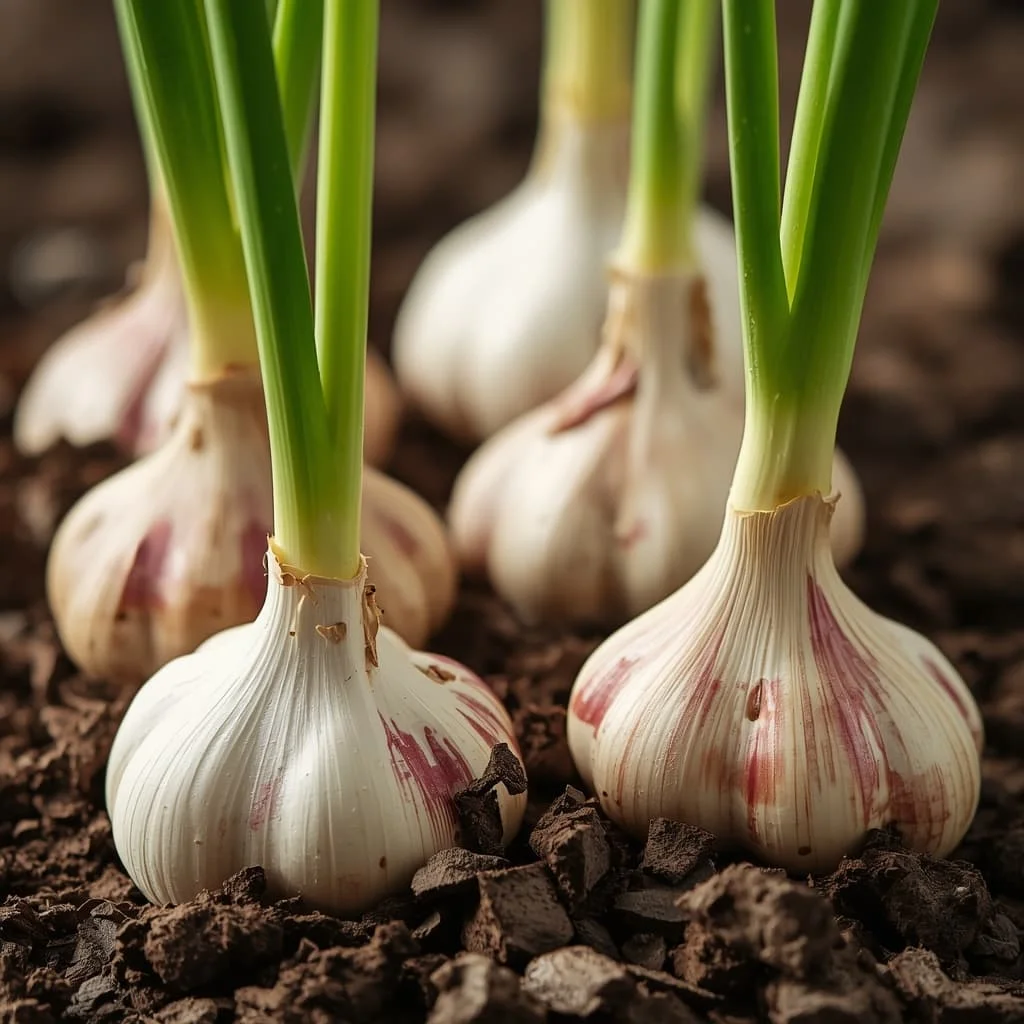
Understanding Garlic Types: Hardneck and Softneck
Garlic varieties fall into two main categories, and choosing the right one for your climate makes a big difference.
- Hard neck Garlic
- Soft neck Garlic
Hard neck Garlic
Hardneck garlic thrives in colder regions. It produces a stiff central stalk and tends to have bold, complex flavor. Many gardeners consider hardneck varieties the best tasting.
Hardneck garlic typically produces fewer cloves per bulb, but the cloves are larger. It also produces edible flower stalks called scapes, which appear in late spring and can be harvested for cooking.
The trade off is storage life. Hard neck garlic usually keeps for about four to six months. Hard neck garlic is a cold hardy variety known for its bold flavor and easy to peel cloves. It grows best in regions with harsh winters, where the cold helps develop larger, more complex bulbs.
Unlike softneck types, hardneck garlic produces a central flowering stalk called a scape, which can also be harvested and eaten. Bulbs usually contain fewer cloves, but they are bigger and more uniform in size.
Gardeners often prefer hardneck garlic for its rich taste and reliable performance in cooler climates. Although it does not store as long as softneck garlic, its superior flavor makes it a favorite for fresh cooking and roasting.
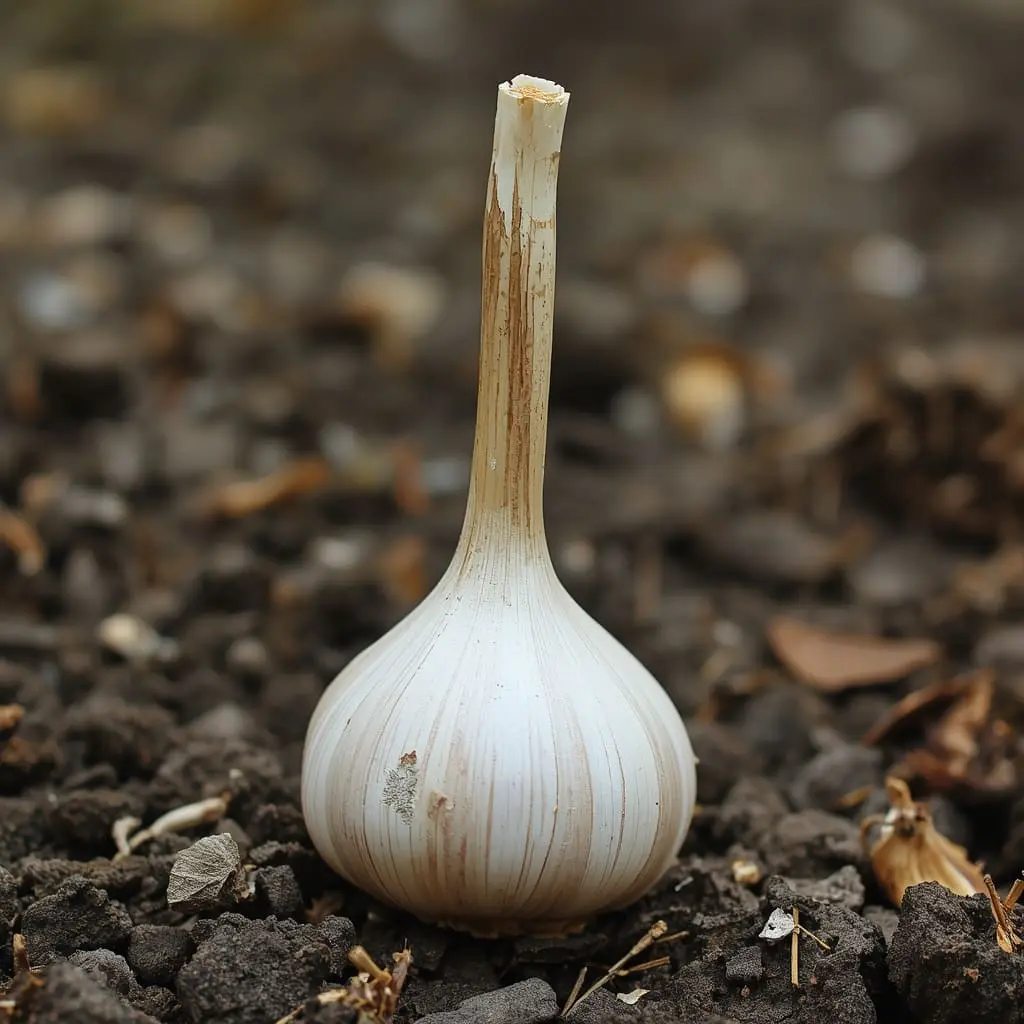
Softneck Garlic
Softneck garlic grows better in warmer climates and stores much longer, sometimes up to ten months. It produces more cloves per bulb, though the cloves are smaller.
Because softneck garlic lacks the stiff central stalk, the stems can be braided for storage. This is the type most commonly sold in grocery stores.
Softneck garlic is the most common type found in supermarkets and is well suited to mild and warm climates. It produces bulbs with many smaller cloves wrapped in tight layers of skin, which helps it store for several months after harvest.
Unlike hardneck varieties, softneck garlic does not form a flowering stalk, allowing the plant to put more energy into bulb development. Its flavor is generally milder, making it versatile for everyday cooking. The flexible stems also make softneck garlic ideal for braiding and hanging in kitchens. Because of its long shelf life and high yield, it is a popular choice among home gardeners and commercial growers alike.
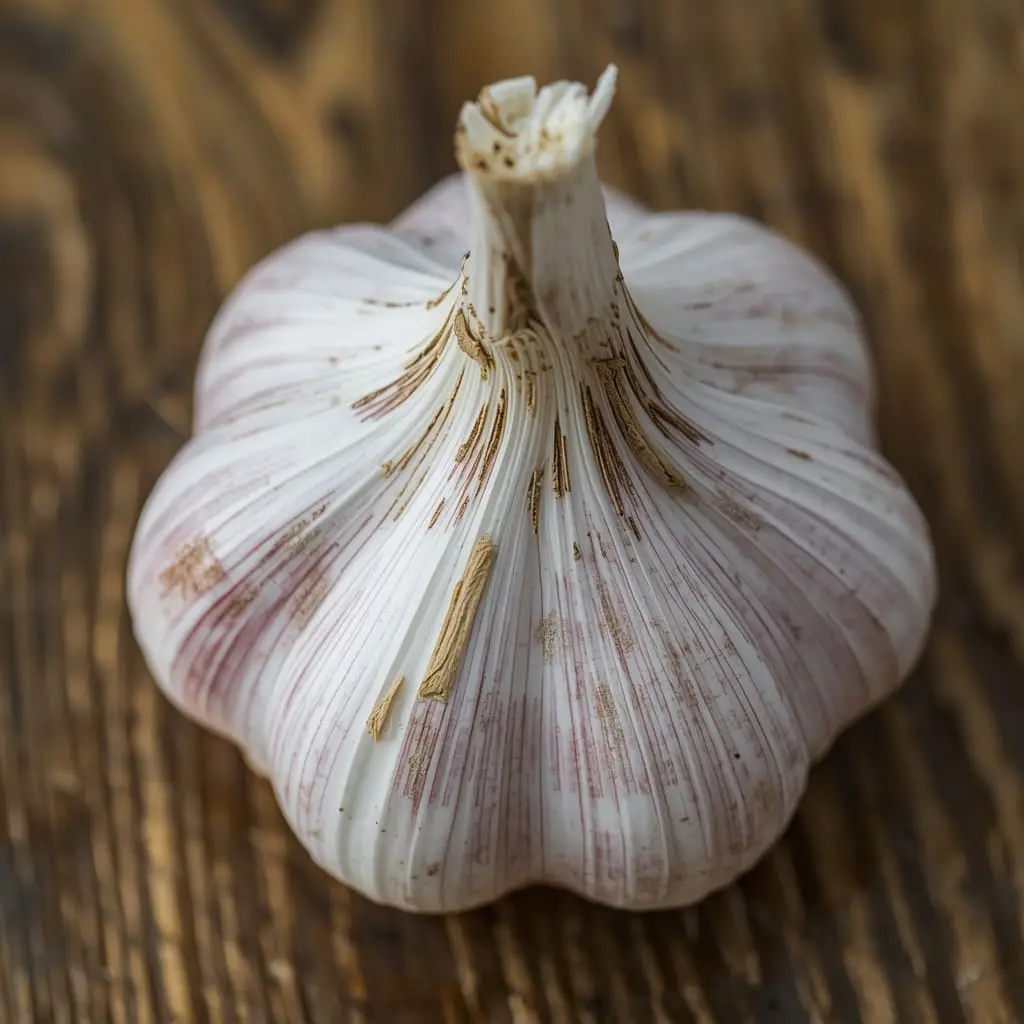
When to Plant Garlic for Best Results
Timing is everything with garlic.
Fall Planting (Ideal)
Garlic is traditionally planted in autumn, about four to six weeks before the ground freezes. This allows roots to develop before winter dormancy.
During winter, the cloves rest in the soil. When spring arrives, they resume growth quickly, producing larger bulbs than spring-planted garlic.
In most climates, planting happens between October and November. Garlic fall planting is the best way to grow big, healthy bulbs. Planting in autumn gives the cloves time to develop roots before winter arrives. When spring comes, the plants grow faster and produce larger garlic heads.
Choose a sunny spot with loose, well-drained soil, and plant each clove with the pointed side facing up. Cover them with soil and add a layer of mulch to protect from cold weather. Water lightly after planting, but do not overwater during winter. By planting in fall, you give garlic a strong start, which leads to a better harvest in early summer when the bulbs are fully grown and ready to pick.
Free Garden Calculators for Accurate Planting & Harvest Planning
Spring Planting
Spring planting is possible but usually produces smaller bulbs because plants have less time to grow. Garlic spring planting is possible if you missed planting in fall, but the bulbs may be smaller. Plant the cloves as soon as the soil can be worked and the weather is not too cold. Choose a sunny place with loose, well-drained soil.
If you missed fall planting, plant as soon as the soil can be worked in early spring. Put each clove in the ground with the pointed side up and cover it with soil. Water gently to keep the soil slightly moist as the plants grow. Spring-planted garlic grows faster because of warm weather, but it has less time to form big bulbs. Even so, you can still harvest fresh, tasty garlic by early or mid-summer.
Choosing the Perfect Location
Garlic needs plenty of sunlight ideally six to eight hours per day. Choose a spot that gets plenty of direct sunlight throughout the day, as garlic grows best in full sun. Make sure the soil drains well, because standing water can rot the bulbs. Pick a place with loose, fertile soil so the roots can grow easily.
It also requires well drained soil. Waterlogged soil can cause rot, so avoid low areas where water collects. Avoid areas where onions or garlic were planted recently to prevent diseases. Raised beds are excellent for garlic because they warm earlier in spring and drain well.
Preparing Soil for Large Garlic Bulbs
Garlic is a heavy feeder that prefers fertile soil rich in organic matter.
Before planting, loosen soil to a depth of at least eight inches. Mix in compost or well-aged manure. This improves fertility and drainage while creating the loose texture garlic roots need.
A soil pH between 6.0 and 7.0 is ideal.
Planting Garlic Step by Step
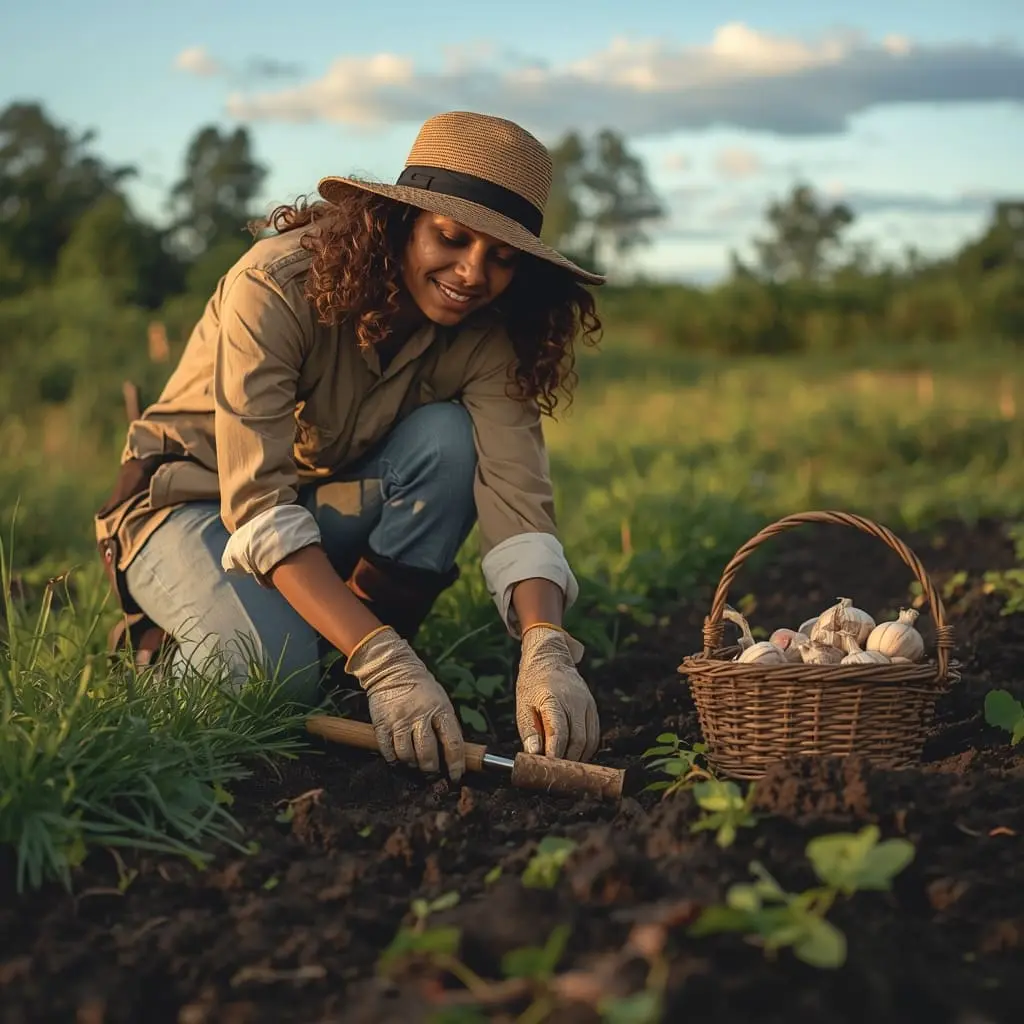
Garlic grows from cloves, not seeds. Break the garlic bulb into individual cloves, keeping the papery skin on each one. Plant each clove with the pointed end facing up and the flat end down.
Separate bulbs into individual cloves just before planting. Leave the papery skins intact. Select the largest cloves. they produce the biggest bulbs. Place them about 2–3 inches deep and a few inches apart in the soil. Cover with soil, water lightly, and add mulch to protect the cloves as they grow.
Plant cloves pointy side up, about two to three inches deep. Space them four to six inches apart, with rows about one foot apart. Firm soil gently over the cloves and water lightly.
Free Garden Calculators for Accurate Planting & Harvest Planning
Mulching for Winter Protection
Mulch is essential for fall planted garlic, especially in colder climates. After planting, cover the soil with a thick layer of mulch like straw or dry leaves. Mulch helps protect the cloves from freezing temperatures during winter. It also keeps the soil moist and prevents weeds from growing.
In spring, you can gently move some mulch aside to help the shoots come through easily.
Apply a thick layer of straw, shredded leaves, or grass clippings after planting. This protects cloves from extreme cold and prevents soil from freezing and thawing repeatedly. In spring, move mulch aside to allow shoots to emerge.
Watering Garlic Throughout the Season
Garlic prefers steady moisture but not soggy conditions. Water garlic regularly in spring so the soil stays lightly moist, not soggy. Avoid overwatering, because too much water can cause the bulbs to rot.
Water regularly during spring growth when leaves are developing. As harvest approaches and leaves begin to yellow, reduce watering to prevent rot. During hot weather, check the soil often and water when the top feels dry. Stop watering a week or two before harvest to help the bulbs dry and store better.
Feeding Garlic for Maximum Growth
- Garlic benefits from nitrogen early in the growing season to support leaf growth.
- Healthy leaves produce energy that forms large bulbs underground.
- Stop fertilizing once bulbs begin forming to avoid excessive leafy growth.
Feed garlic with a nitrogen rich fertilizer in early spring to support strong leaf growth.
You can also add compost or well rotted manure to improve soil nutrients naturally. Apply fertilizer lightly every few weeks, but avoid overfeeding the plants. Stop fertilizing once bulbs begin to form so the garlic focuses on developing large heads.
Removing Garlic Scapes
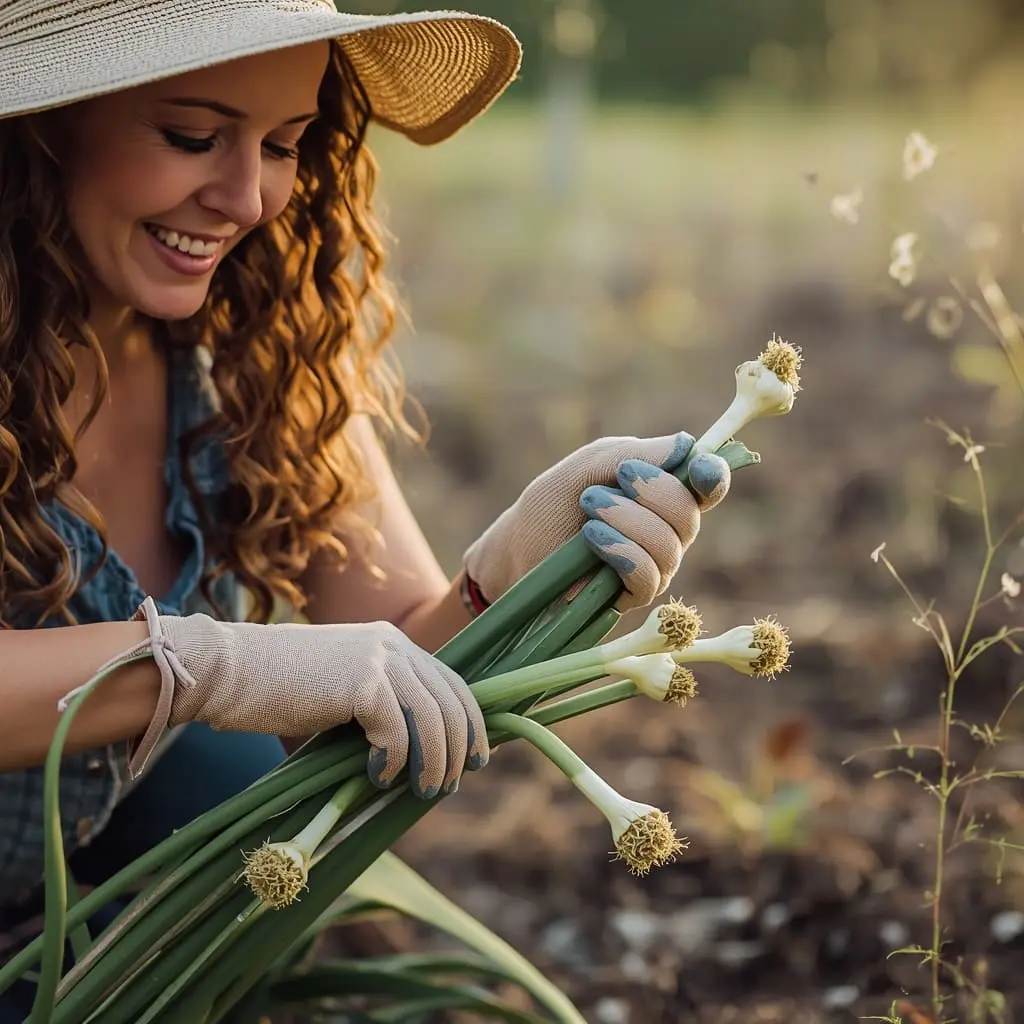
Hard neck varieties produce curling flower stalks in late spring. Garlic scapes are curly green shoots that grow from hard neck garlic plants. Remove them once they start to curl so the plant puts energy into bulb growth. Cut or snap the scapes gently near the base without damaging the leaves. You can cook and eat scapes too, as they have a mild garlic flavor.
Cutting these scapes encourages plants to direct energy into bulb growth rather than flowering. Cut or snap the scapes gently near the base without damaging the leaves. You can cook and eat scapes too, as they have a mild garlic flavor.The scapes themselves are edible and delicious.
Common Garlic Pests and Diseases
Garlic is relatively pest resistant, but issues can occur. Proper spacing, crop rotation, and well drained soil prevent most problems. Watch for pests like onion maggots and aphids that can damage leaves and bulbs. Fungal diseases may appear in wet conditions, causing spots or rot on the plant. Keep the area clean, remove infected plants, and avoid overwatering to prevent problems. Crop rotation each year helps reduce pests and diseases in the soil.
Knowing When to Harvest
Garlic is ready to harvest when the lower leaves turn brown while the upper leaves remain green. Garlic is ready to harvest when the lower leaves turn yellow and start to dry. Usually, about half of the leaves will still be green at the right time. Gently loosen the soil and lift the bulbs instead of pulling the stems. Harvest on a dry day and let the bulbs cure in a shaded, airy place.
This usually happens in early to mid summer.
Harvesting Without Damage
Loosen soil gently with a fork and lift bulbs carefully. Avoid pulling plants by the stems. Loosen the soil around the bulbs with a garden fork before lifting them. Pull gently from the base to avoid breaking the stem or bruising the garlic. Shake off excess soil, but do not wash the bulbs right after harvest. Handle carefully, as damaged bulbs will not store well.
Curing Garlic Properly
After harvest, garlic must cure in a dry, shaded, well-ventilated area for two to three weeks. Tie the garlic in small bundles or spread the bulbs out in a dry, airy place. Keep them out of direct sunlight so they dry slowly and evenly. Let the garlic cure for about two to three weeks until the skins feel papery. Once fully dry, trim the roots and stems to prepare for storage. This process dries outer skins and prepares bulbs for storage.
Storing Garlic for Long Term Use
Store cured garlic in a cool, dry place with good airflow. Store garlic in a cool, dry place with good air circulation. Avoid keeping it in the fridge, as moisture can cause it to sprout or rot.
Use mesh bags or baskets so air can flow around the bulbs. Properly stored garlic can last for several months without losing quality. Avoid sealed containers and refrigeration.
Growing Garlic in Containers
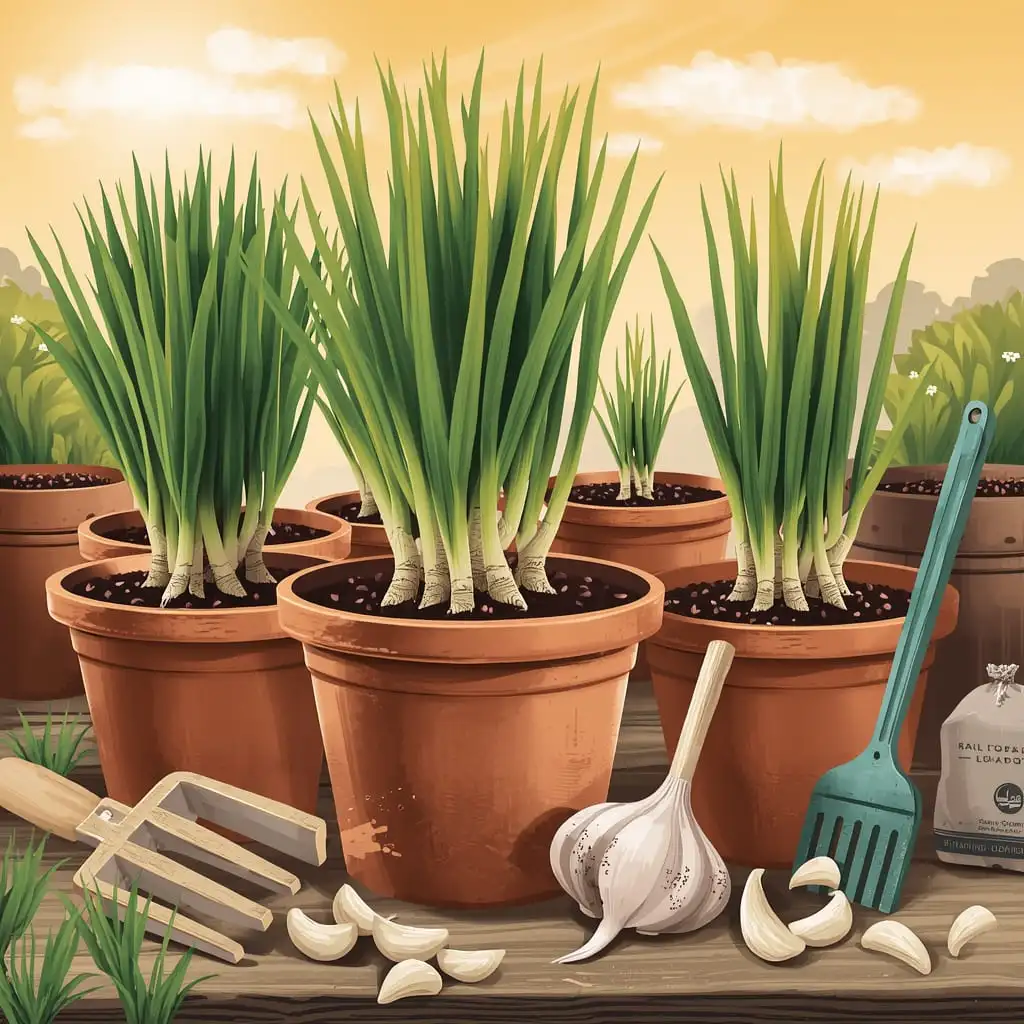
Garlic can grow successfully in large containers with good drainage and fertile soil. Choose a deep container with drainage holes so excess water can escape. Fill it with loose, well drained potting mix rich in compost. Plant the cloves pointed side up, a few inches deep and spaced apart.
Place the container in a sunny spot where it gets plenty of light. Water regularly to keep the soil slightly moist, not soggy. Container grown garlic may produce smaller bulbs, but it will still be fresh and flavorful.
Companion Planting with Garlic
Garlic can help deter pests from nearby plants such as tomatoes, peppers, and roses. Garlic grows well alongside plants like tomatoes, carrots, and lettuce. Its strong smell helps repel pests that damage nearby crops. Avoid planting it near beans or peas, as it can slow their growth.
Companion planting with garlic can lead to a healthier, more productive garden.
Final Thoughts
Garlic is one of the most rewarding crops a gardener can grow. Its long growing season teaches patience, care, and attention to nature. From planting a single clove to harvesting full bulbs, the process feels truly satisfying. Homegrown garlic offers richer flavor and freshness you cannot find in stores.
For more detailed guidance on soil preparation and garlic care, you can explore the garlic growing guide from the University of Minnesota Extension, which offers trusted, research-based gardening advice.
It also stores well, giving you months of use from one harvest. Once you learn the simple steps, garlic becomes an easy crop to manage. Each season helps you understand its needs even better.
Plant it once, learn its rhythm, and it will become a dependable part of your garden. Year after year, it returns as a trusted and reliable harvest. In the end, growing garlic is not just practical — it is deeply rewarding.
Questions and Answers
The best time to plant garlic is in the fall, about 4 to 6 weeks before the ground freezes. Fall planting allows the cloves to develop strong roots before winter, leading to bigger bulbs at harvest. In warmer climates, garlic can also be planted in early spring, though bulbs may be smaller.
Garlic cloves should be planted about 2–3 inches deep with the pointed side facing up. Space each clove 4–6 inches apart to give bulbs enough room to grow. Proper spacing helps produce larger, healthier garlic heads.
Garlic usually takes 7–9 months to grow from planting to harvest, depending on the variety and climate. Fall planted garlic is typically ready in early to mid summer, while spring-planted garlic may mature slightly later.
Small garlic bulbs can result from planting too late, poor soil nutrients, overcrowding, or insufficient sunlight. Removing garlic scapes from hardneck varieties and providing consistent watering during growth can help produce larger bulbs.
Yes, you can grow garlic from store bought bulbs, but results may vary. Some supermarket garlic is treated to prevent sprouting or may not suit your climate. For best results, use seed garlic from a garden center or local supplier.
One Comment