How to Grow Broccoli at Home: Step-by-Step Guide for Huge Harvests
Learning how to grow broccoli at home can seem tricky at first, but with the right timing and care, anyone can produce large, sweet heads. If you give this cool season crop what it wants (the right timing, rich soil, controlled moisture, and protection from basic pest, it will give you a huge reward you with taste sweeter and fresher than anything from a store.
Broccoli, or sprouting broccoli, is a delicious, nutritious and easy to grow member of the cabbage family. It forms multiple small clusters of purple or white buds for harvesting from summer onwards. Winter varieties provide especially valuable harvests till to spring.
Broccoli having many varieties, each suited to different planting and harvest times. Traditional types grow slowly and are very hard to grow them . They mostly sown in spring or early summer, develop into large plants, and produce crops through winter and into the following spring. While they take up big space for many months, they provide fresh harvests at a time of year when not much else available in the garden. If you having short on space or want quick results, then modern varieties are a good alternative. These smaller, grow faster, these types can be harvested from mid of summer through late autumn.
This deep broccoli planting guide is written for home gardeners in the U.S. and covers everything, when to plant broccoli, how to start from seed, spacing, watering, fertilizing, pest control and other important things for maximum yield. Use it as your full roadmap.
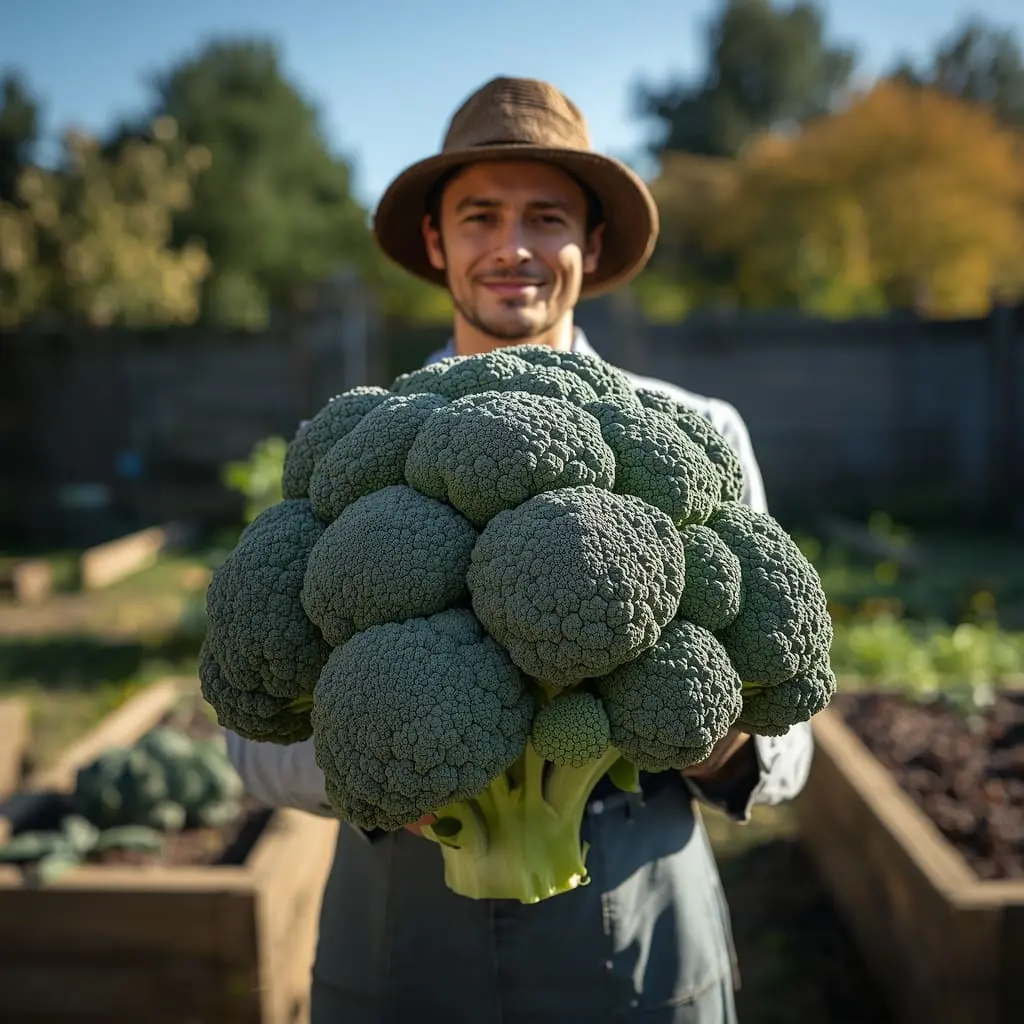
How to Grow Broccoli Successfully
Most important things to remember,
- Broccoli prefers cool weather ( 60–75°F).
- Fall broccoli is easiest and best tasting because it matures in cooling temperatures.
- Rich soil plus steady watering = bigger heads.
- Don’t crowd plants (18–24 inches apart is ideal).
- Protect from cabbage worms early.
- Harvest when buds are tight—don’t wait for flowers.
Now let’s discuss in detail.
Why Grow Broccoli at Home?
Broccoli also called a “superfood” because it is loaded with fiber, vitamin C, vitamin K, folate, and plant compounds that support overall health. But the real reason gardeners love it is:
Homegrown broccoli tastes better
Broccoli which we gets from stores can sit in cold storage and travel for days. Fresh broccoli harvested from your garden is sweeter, crunchier, and more tender—especially in fall season.
Other reasons
- High yield: According to latest researches Broccoli growing at home gives high yield.
- Two seasons: Great in spring and fall.
- It loves Cold : Light frosts help it to improve flavor.
- Cost friendly: One packet of seed can produce dozens of plants.
- Flexible: Works in beds, raised in beds, and in large containers.
What It Needs And What It Hates
Broccoli is a cool season cabbage family, along with cauliflower, kale, and Brussels sprouts. cabbage share some common traits:
Cool temperatures
- Controlled moisture
- Fertile soil rich in organic matter
- Nitrogen during leafy growth
- good airflow between plants
What broccoli hates
- Heat above ~80°F (causes bolting and bitter flavor)
- Dry soil (leads to small heads and woody stems)
- Poor soil fertility
- Crowding (invites pests and disease)
- Repeated planting in the same spot (increases disease risk)
The golden rule of broccoli:
If your timing is right then remaining everything becomes easier.
When to Plant Broccoli (Spring vs Fall)
Broccoli always struggles in heat, your goal should be to have it when the temperatures are cool. You can grow broccoli in spring or fall but most experienced gardeners prefer fall.
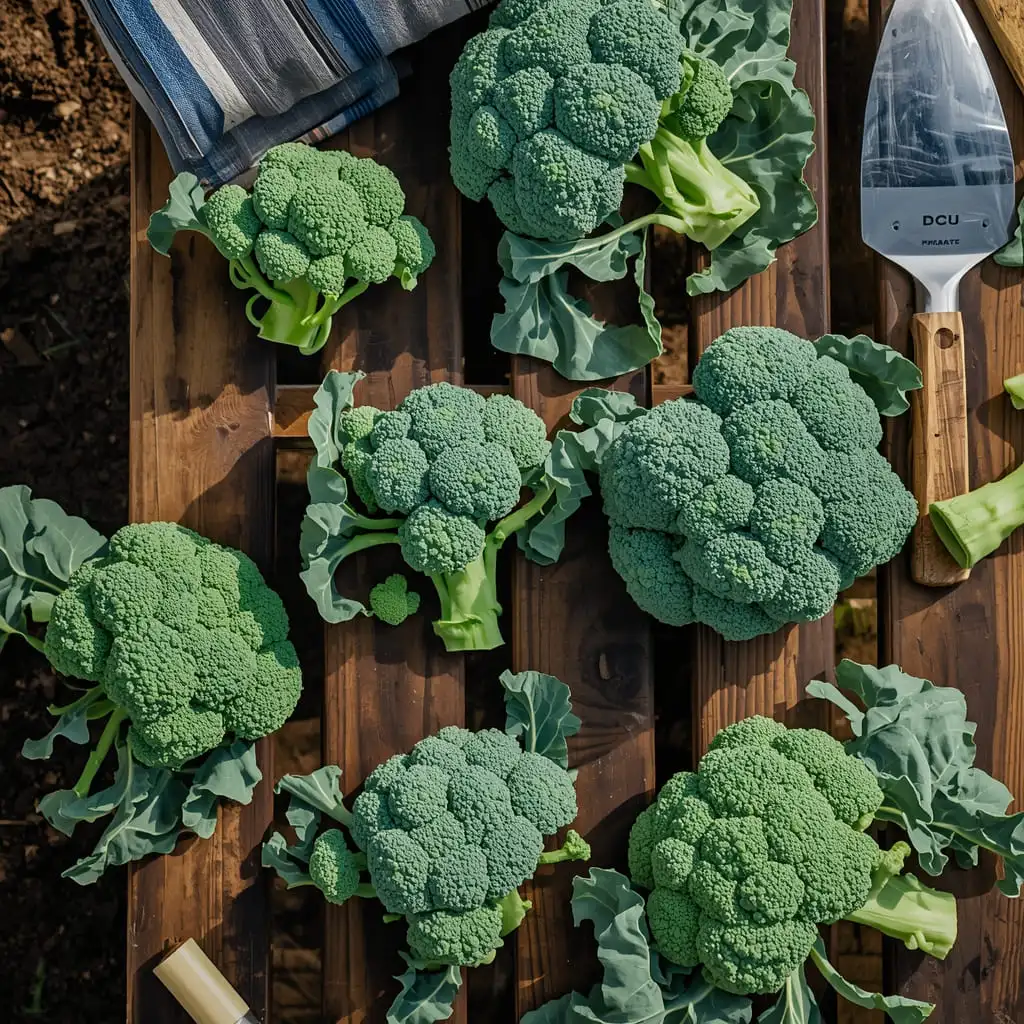
Spring broccoli good but timing is tight
Spring planting works best where spring stays cool for long enough.
Start seeds indoors 6–8 weeks before last frost. Transplant outdoors 2–3 weeks before last frost because broccoli tolerates light frost. The challenge is if the weather warms quickly, broccoli may bolt or form smaller heads.
Fall broccoli often the best option
Fall planting is the secret but great for broccoli. As the plant matures, the weather cools down, which encourages tighter heads, sweeter flavor, fewer heat problems. Start seeds in mid of the summer. Transplant about 6–8 weeks before first frost.
Simple fall timing method:
Count backward 85–100 days from your first fall frost, depending on variety. If you’re unsure of frost dates, just google the frost dates according to your zone or area. Use that date to plan your broccoli.
Broccoli Planting Timeline
Here is a simple planning chart you can follow:
Spring crop (for most regions)
Start seeds indoors 6–8 weeks before last frost. Harden off seedlings for 7 days. Transplant outdoors 2–3 weeks before last frost. Harvest before serious heat arrives.
Fall crop (best for many gardeners)
Start seeds indoors in mid of summer. Transplant 6–8 weeks before first frost. Harvest in fall and early winter depending on your zone.
Choosing the Best Broccoli Variety By Climate and Goals
Not all broccoli varieties behave in the same way. It depend on your climate and your goal. i am guiding you in both ways.
Free Garden Calculators for Accurate Planting & Harvest Planning
Classic heading broccoli
These produce a large main crown plus side shoots.
- Belstar – adaptable, great side shoots, strong performer
- Waltham 29 – reliable heirloom, great for cooler fall climates
- Calabrese – classic Italian type with excellent flavor
- Green Magic – consistent, beginner-friendly, slightly more heat-tolerant
Heat tolerant varieties for warmer zones
If you deal with fast spring heat or warm falls, choose bolt resistant varieties:
- Sun King – handles warmth better than many
- Green Magic – good transitional variety
Sprouting types (lots of smaller shoots)
De Cicco:heavy side shoot production, extended harvest
Purple Sprouting: very cold hardy, slower but beautiful and productive
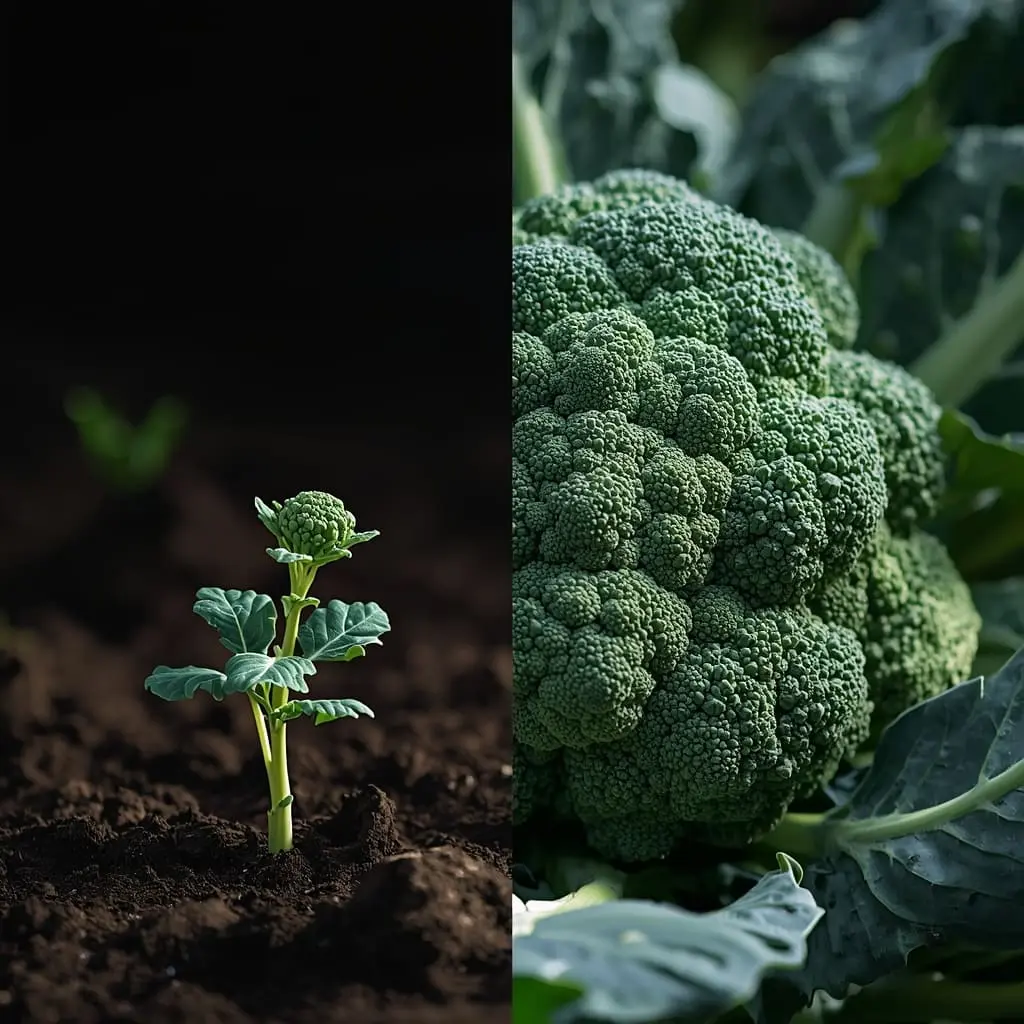
Where to Plant Broccoli
Broccoli need:
Full sun (6 to 8 hours daily)
Good airflow (helps prevent disease and pests)
Deep, fertile soil (or high-quality container mix)
In very hot climates, a little afternoon shade can help spring broccoli avoid heat stress but most gardens should choose the sunniest area.
Crop rotation matters
Avoid planting broccoli where any Brassica grew recently:
- broccoli
- cabbage
- cauliflower
- kale
- Brussels sprouts
Rotate crops to a new bed for 3 to 4 years if possible to reduce disease risk.
Avoid planting broccoli where any Brassica grew
- broccoli
- cabbage
- cauliflower
- kale
- Brussels sprouts
Rotate crops to a new bed for 3 to 4 years if possible to reduce disease risk.
Ideal soil conditions
pH: 6.0–7.0
Texture: loamy, well draining
Organic matter: high
Moisture: holds water but does not stay soggy
Prep steps
Add 2–3 inches compost and mix into top 6–8 inches of soil
Remove weeds and rocks
Loosen soil at least 10–12 inches deep
If your soil is poor, mix in aged manure (well-composted)
Optional but powerful: soil test
A simple soil test kit helps you avoid issues like low pH or nutrient imbalance.
Clubroot warning
Clubroot thrives in acidic soil. If you have had brassica problems, keeping pH closer to 6.8–7.0 can help.
Starting Broccoli From Seed (Indoor Method)
Starting seeds indoors gives you stronger timing control and more variety options.
What you need
- Seed trays or 3-inch pots
- Seed-starting mix (not heavy garden soil)
- Grow light or sunny window
- Gentle watering method
Steps
- Fill trays with moist seed starting mix
- Plant seeds about ¼ inch deep
- Keep evenly moist
- Germination: usually 5 to 10 days
- Provide strong light immediately after sprouting
- Thin to one plant per cell after true leaves appear
Avoid leggy seedlings
Leggy seedlings happen when light is weak. Keep lights close means 2 to 3 inches above.
Hardening Off
Before transplanting, seedlings you must adapt to outdoor sun and wind.
Hardening off steps (7 days)
- Day one 1–2 hours outdoors in shade
- Increase daily time and sun exposure
- Day 7: plants can stay out most of the day
Visit Our Page For More Planting Guides
Transplanting Broccoli Seedlings
When seedlings broccoli must have 4 to 6 true leaves, they are ready.
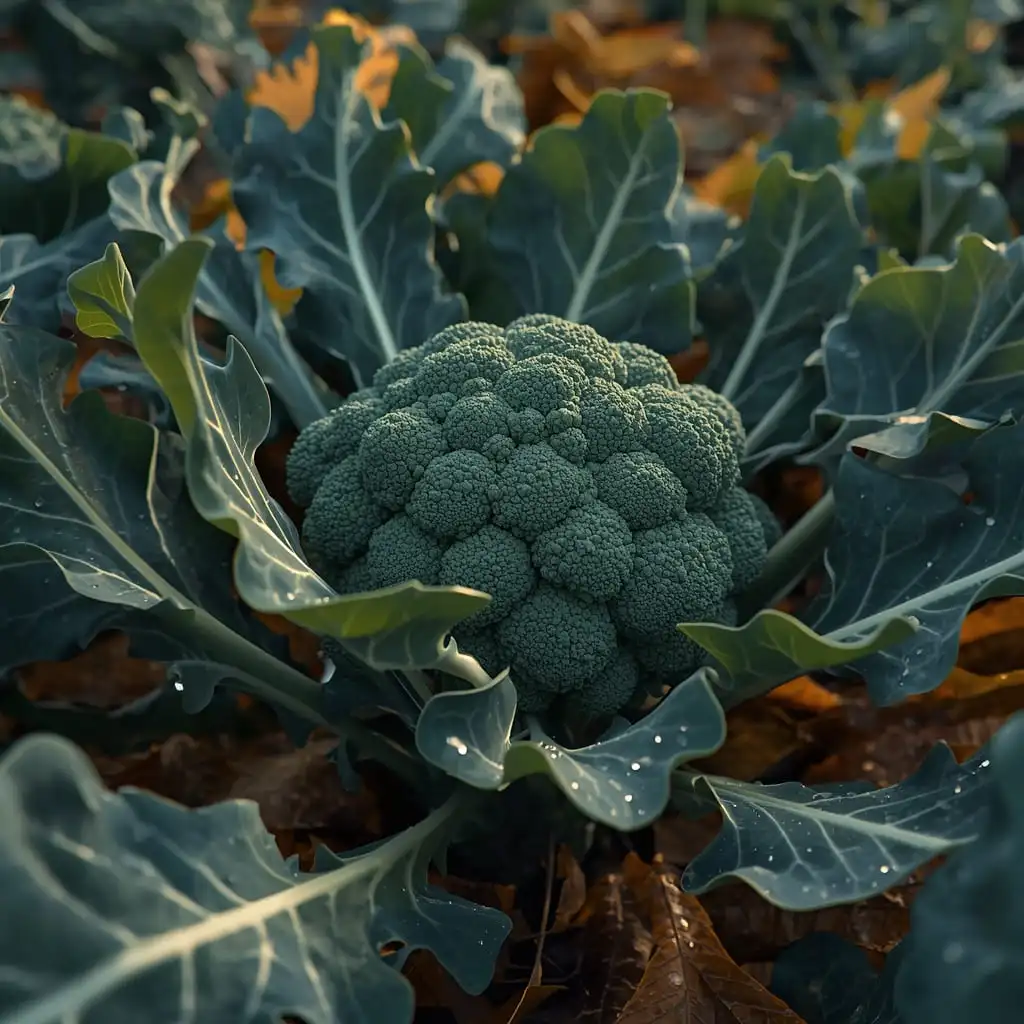
Spacing
- 18–24 inches between plants
- 24–36 inches between rows
Crowding broccoli causes:
- smaller heads
- more aphids
- more fungal issues
- weak airflow
Planting depth
Plant seedlings level with the root ball. You can plant slightly deeper than the pot level, but do not bury leaves.
Water immediately after transplanting
Water deeply to settle soil. A diluted fish emulsion or starter fertilizer can help reduce transplant shock.
Row cover
A floating row cover protects seedlings from:
- cabbage moths and butterflies (cabbage worms)
- flea beetles
- wind stress
Row covers are one of the highest success tools for broccoli.
Direct Sowing Broccoli Seeds
Direct sowing can work well for fall broccoli or cool spring climates.
- Sow seeds ½ inch deep
- Keep soil consistently moist
- Thin seedlings to final spacing once they grow
Direct sowing is easiest when temperatures are moderate and soil moisture can be kept steady.
Watering Broccoli
Broccoli has shallow roots. It does not like drought.
How much water?
Aim for 1 to 1.5 inches per week, more during dry spells.
Best method
Water at the base (drip or soaker hose is ideal). Avoid soaking leaves late in the day.
Why it matters
Inconsistent watering can cause:
- tough stems
- bitter flavor
- cracked heads
- slow growth
Mulch helps a lot
Apply 2–3 inches of straw, shredded leaves, or compost mulch once plants are established. This:
- reduces weeds
- keeps soil cool
- holds moisture
Fertilizing Broccoli (Simple Feeding Plan)
Broccoli is a heavy feeder, especially for nitrogen early on.
Feeding schedule (easy)
- At planting: compost + balanced fertilizer or slow-release organic fertilizer
- 3–4 weeks after transplant: side-dress with nitrogen
- When head begins forming: light feeding if needed (don’t overdo nitrogen)
Organic options
- Compost tea
- Fish emulsion
- Blood meal (nitrogen-rich—use carefully)
- A balanced organic vegetable fertilizer
Signs broccoli needs feeding
- slow growth
- pale leaves
- yellowing lower leaves
Broccoli Companion Planting (What to Plant Nearby)
Companion planting can help with pest control and space use.
Good companions
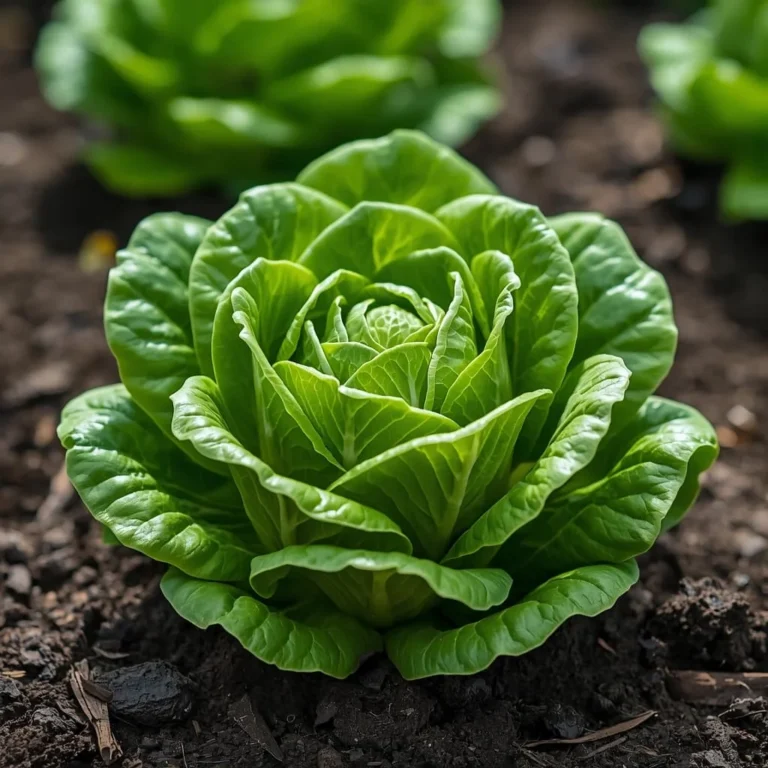
- Lettuce
- Spinach
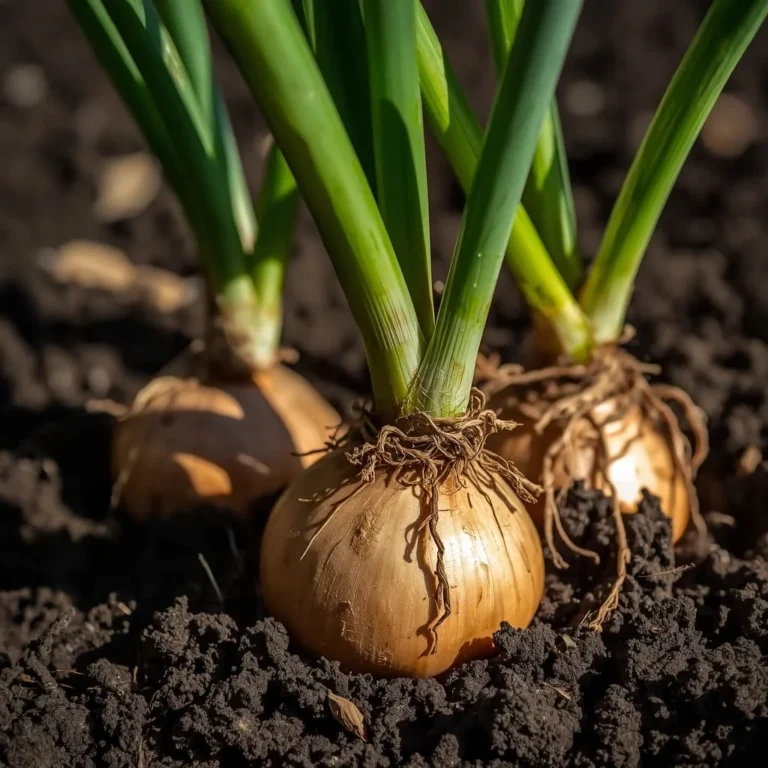
- Onions
- Beets
- Dill (can attract beneficial insects)
- Chamomile
Plants to avoid nearby (common advice)
- Strawberries (may compete and attract pests)
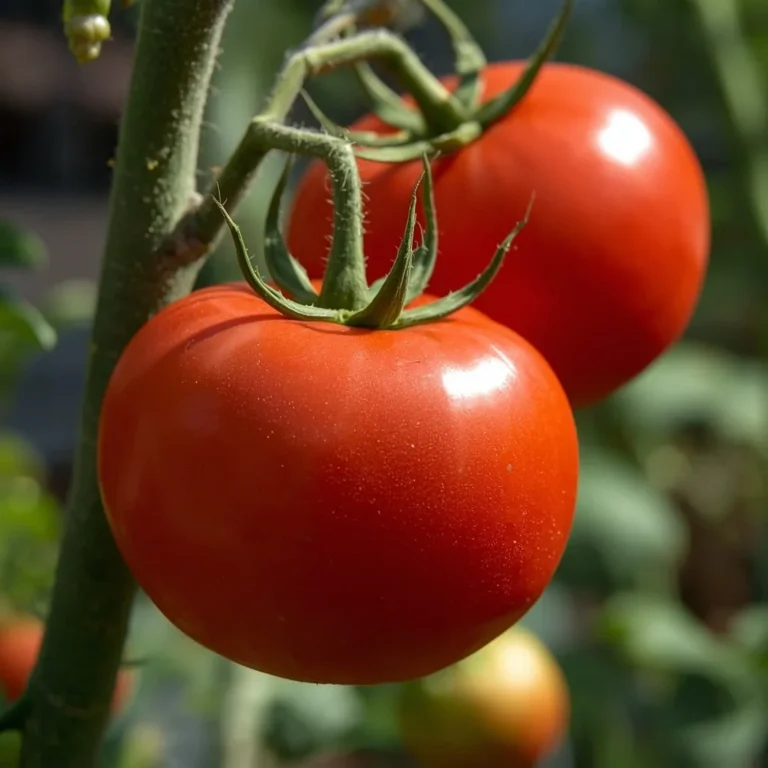
- Tomatoes (mainly because they have different watering and seasonal needs)
Common Broccoli Pests (And How to Win)
If you grow broccoli, you’ll meet pests. The key is early prevention.
1) Cabbage worms / loopers
These are green caterpillars that chew holes in leaves and hide well.
Best prevention:
- Floating row covers from day one
Treatment:
- Hand-pick caterpillars
- Use Bt (Bacillus thuringiensis) (safe for beneficial when used properly and targets caterpillars)
2) Aphids
Aphids cluster on the underside of leaves and new growth.
Fix:
- strong spray of water
- insecticidal soap
- encourage ladybugs
3) Flea beetles
Tiny holes in leaves, most dangerous on seedlings.
Fix:
- row covers
- diatomaceous earth around plants (use carefully and reapply after rain)
4) Harlequin bugs (common in warm regions)
Shield-shaped bugs that suck plant juices.
Fix:
- hand removal into soapy water
- keep weeds down
Broccoli Diseases (Prevention Matters)
Most broccoli disease problems come from poor rotation, wet leaves, and crowding.
Common issues
- Downy mildew
- Black rot
- Clubroot
Prevention steps
- Rotate crops (avoid planting brassicas in same spot for 3–4 years)
- Space plants properly for airflow
- Water at the base
- Remove infected leaves
- Keep pH in healthy range (clubroot prevention)
Troubleshooting Broccoli Problems
Here are the most common broccoli issues and what causes them:
Problem: Small heads
Caused by:
- low soil fertility
- heat stress
- drought or uneven watering
- crowding
Fix:
- enrich soil with compost
- maintain moisture
- plant earlier or switch to fall crop
- space properly
Problem in broccoli Loose and flowering head
This is usually bolting, triggered by heat or stress.
Fix:
- plant earlier or focus on fall crop
- use heat-tolerant varieties
- mulch to cool roots
Problem: Yellow leaves
Often nitrogen deficiency, but also can be water issues.
Fix:
- side-dress with nitrogen
- check drainage and watering consistency
Problem: No head forming, only leaves
Often too warm or wrong timing, or variety mismatch.
Fix:
- adjust timing and variety choice next season
- avoid heat during head formation
Problem: Hollow stems
Hollow stems can indicate boron deficiency (more common in sandy soils).
Fix:
- You should improve soil organic matter
- Use compost
- Correct boron carefully if needed
When to Harvest Broccoli
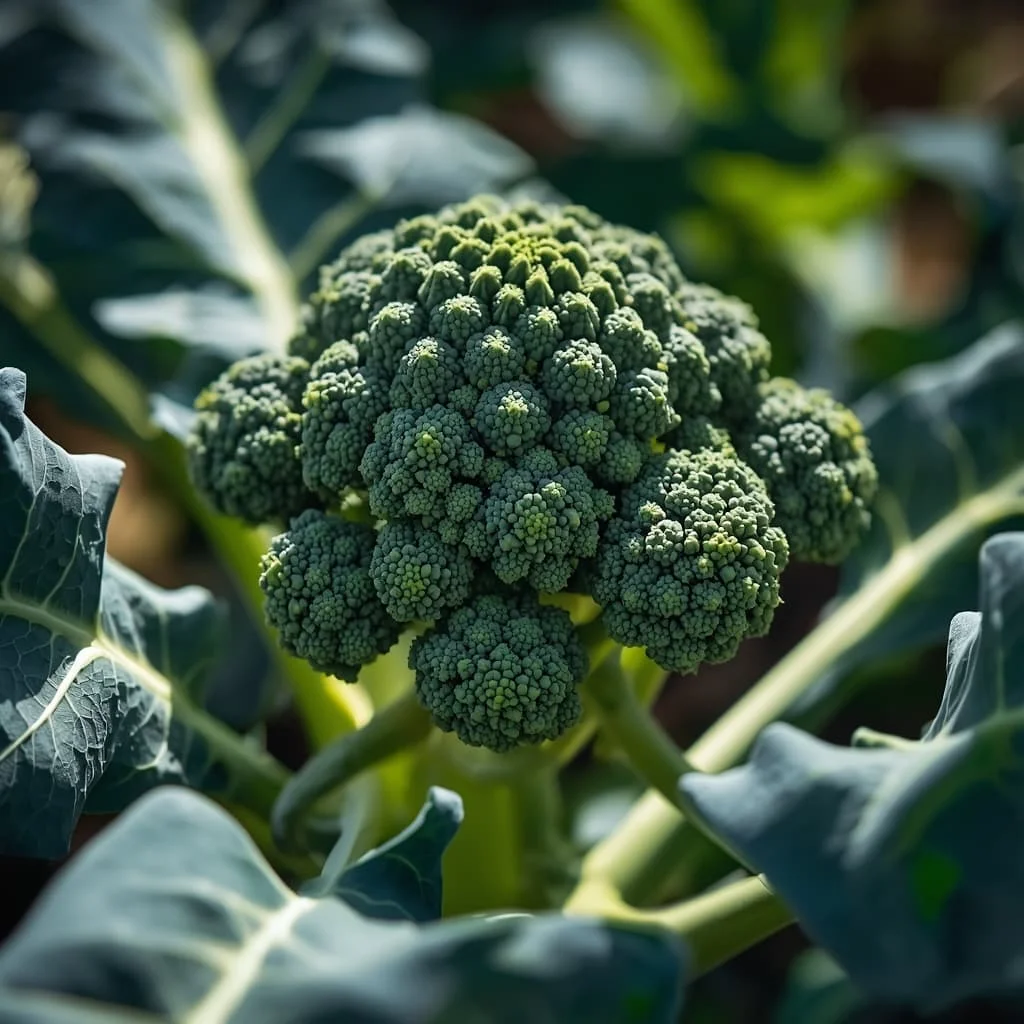
Harvest broccoli when the head is:
- firm
- tight
- dark green
- buds are closed
Do not wait for it to get huge.
Store broccoli is often larger because of commercial varieties and conditions. Homegrown broccoli is best harvested when buds are tight.
How to harvest
- Use a sharp knife
- Cut the main head with 5–6 inches of stem
- Cut at a slight angle so water doesn’t collect
Side shoots
After the main head is harvested, most varieties produce side shoots for weeks. Keep watering and feeding lightly, and you will continue harvesting.
How to Store Broccoli After Harvest
- Refrigerate in a loose bag: 3 to 5 days
- For long storage: blanch and freeze
- Frozen broccoli can stay good for 10 to 12 months.
Growing Broccoli in Containers
Broccoli can grow well in containers if you give it space and consistent water.
Container requirements
- At least 12 inches deep, ideally 15 to 20 inches
- One plant per large pot (or two in a very large container)
- High quality potting mix and compost
- Regular watering
Container broccoli often benefits from more frequent feeding because nutrients wash out faster.
Broccoli Spacing and Planting Chart
| Factor | Recommendation |
|---|---|
| Best temp | 60–75°F |
| Soil pH | 6.0–7.0 |
| Sun | Full sun (6+ hours) |
| Plant spacing | 18–24 inches |
| Row spacing | 24–36 inches |
| Water | 1–1.5 inches/week |
| Days to maturity | 55–85 (variety dependent) |
| Harvest cue | Tight, firm buds before flowering |
Tips for Bigger, Sweeter Broccoli
Use these tips to level up your broccoli results:
- Plant for fall if possible
- Use compost-rich soil
- Keep watering consistent
- Mulch to keep roots cool
- Use row covers early
- Harvest on time
- Don’t crowd plants
- Choose reliable varieties like Green Magic or Belstar
Final Thoughts
Broccoli rewards gardeners who respect its timing and care basics. Get your planting window right, build rich soil, water consistently, and stay ahead of cabbage worms and you will harvest broccoli that tastes like a completely different vegetable compared to broccoli available at stores.
The first time you cut a tight head you grew yourself, bring it inside, and cook it the same day, you will understand why so many gardeners make broccoli a permanent part of their garden rotation.
Happy growing and if you want, you can use your Planting Calendar and Plant Spacing Calculator to plan your broccoli bed even more accurately.
How long does broccoli take to grow?
Most broccoli types take about 55 to 85 days from transplanting to produce a harvestable head. The exact time depends on the variety, weather conditions, and care. Fall grown broccoli mostly matures more reliably because of cooler temperatures.
When is the best month to plant broccoli?
The best planting time depends on your climate. In most regions, broccoli is planted in early spring or mid of summer for a fall harvest. Fall crops usually produce larger, sweeter heads because they mature in cool weather.
Can broccoli survive frost?
Yes broccoli is cold tolerant and can survive light frost. In fact, mild frost can improve flavor by increasing natural sugars in the plant. However it hard freezes can damage young seedlings.
Does broccoli need full sun?
Broccoli grows best in full sun at least 6–8 hours daily. In very hot climates, light afternoon shade can help prevent heat stress during spring planting.
How often should broccoli be watered?
Broccoli needs consistent moisture to produce large heads. Tt is Aim for about 1 to 1.5 inches of water per week, increasing during dry weather. Uneven watering can cause small heads and bitter flavor.
Can broccoli grow in containers?
Yes broccoli can grow in containers if the pot is at least 12–18 inches deep and receives consistent watering and feeding. Choose compact varieties for best results.