
Raised Bed Soil Calculator
Use our Raised Bed Soil Calculator to quickly find the exact soil quantity, bag count, and best soil mix for any raised garden bed.
Rectangle / Square Bed Size
Round Bed Size
L-Shaped Bed Size
Quick Soil Depth Helper
Choose Soil Mix
Your Raised Bed Soil Results
| Measurement | Amount Needed |
|---|
How Many Bags of Soil to Buy
| Bag Size | Bags Needed |
|---|
Soil Mix Recipe
| Ingredient | Cubic Feet | Approx. 1 cu ft Bags |
|---|
Raised Bed Soil Calculator: Find How Much Soil You Need Fast
A Raised Bed Soil Calculator is the smartest tool any gardener can use before buying a single bag of dirt. Most people either buy too much soil and waste money, or buy too little and have to make a second trip to the garden store. Some fill their beds too shallow, which stunts plant roots. Others mix the wrong type of soil and wonder why nothing grows well.
These problems are very common. And they are all easy to avoid.
This page has a raised bed soil calculator built right in. Just enter your bed size, choose your depth, and it tells you exactly how much soil you need in cubic feet, cubic yards, and even how many bags to buy. Stop guessing. Start growing.
What Is a Raised Bed Soil Calculator?
A raised bed soil calculator is a simple online tool. You enter the size of your raised garden bed length, width, and depth and it does all the math for you.
It figures out the total volume of soil you need. It can also tell you how many bags of soil to buy based on bag size. This saves you time at the store and keeps you from buying the wrong amount.
Without a raised bed soil calculator, you have to guess. Or do math in your head. And most of us get it wrong, especially when we are juggling multiple beds of different sizes.
A good raised bed soil calculator handles:
It is one of the most practical gardening tools you will find. And the best part? It takes less than a minute to use.
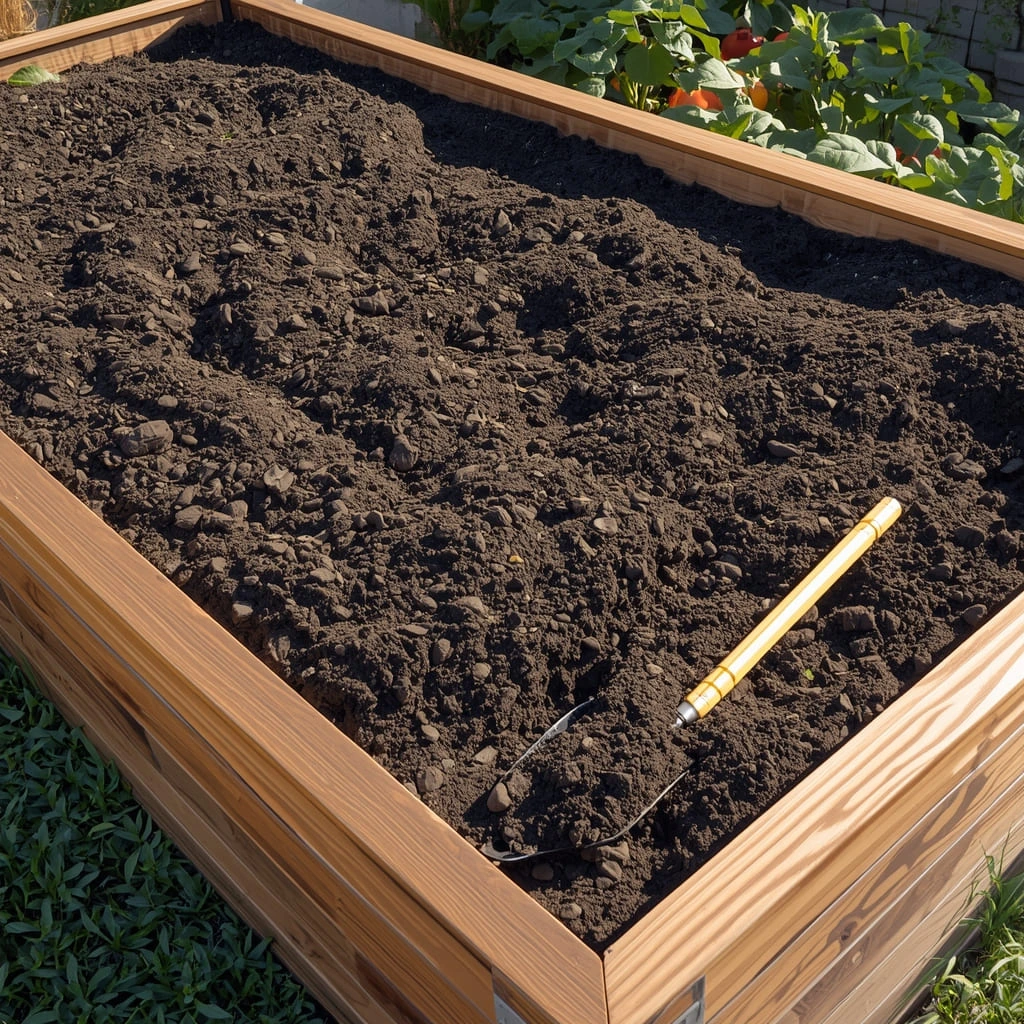
How to Use the Raised Bed Soil Calculator
Using the raised bed soil calculator on this page is easy. Here is how it works, step by step:
- Select the shape of your raised bed. Most beds are rectangular. But you can also choose square, circular, or custom L-shaped designs.
- Enter the length and width of your bed in feet (or inches). For example, a 4×8 raised bed would be 4 feet wide and 8 feet long.
- Choose the soil depth. Most vegetables need at least 8 to 12 inches. Enter the depth in inches.
- Enter the number of beds if you have more than one. The calculator multiplies the result for all beds automatically.
- Check the ‘add extra for settling’ option. Soil can sink by 10–20% after watering. This option adds a buffer so your bed stays full.
- Review the bag count. The calculator shows you how many bags you need based on the bag size you choose whether that is a standard 1 cu ft bag or a large 2 cu ft bag.
- Use the soil mix result. Some calculators also suggest how much compost, topsoil, and other materials to use if you want to build your own mix.
That is all there is to it. Enter your numbers and let the calculator do the rest.
How Much Soil Do I Need for a Raised Bed?
The answer depends on the size of your bed and the depth of soil you want. Here are some of the most common raised bed sizes and how much soil they need at different depths.
| Bed Size | 6-inch Depth | 8-inch Depth | 10-inch Depth | 12-inch Depth |
| 4 x 4 ft | 8 cu ft | 10.7 cu ft | 13.3 cu ft | 16 cu ft |
| 4 x 8 ft | 16 cu ft | 21.3 cu ft | 26.7 cu ft | 32 cu ft |
| 3 x 6 ft | 9 cu ft | 12 cu ft | 15 cu ft | 18 cu ft |
| 3 x 8 ft | 12 cu ft | 16 cu ft | 20 cu ft | 24 cu ft |
| 2 x 6 ft | 6 cu ft | 8 cu ft | 10 cu ft | 12 cu ft |
| 4 x 12 ft | 24 cu ft | 32 cu ft | 40 cu ft | 48 cu ft |
To calculate these numbers yourself, use this simple formula:
Length (ft) × Width (ft) × Depth (in) ÷ 12 = Cubic Feet of Soil
So a 4×8 raised bed filled to 8 inches deep needs: 4 × 8 × 8 ÷ 12 = 21.3 cubic feet of soil.
That is a lot of soil bags if you are buying small ones. This is exactly why using the calculator up front saves you money and confusion.
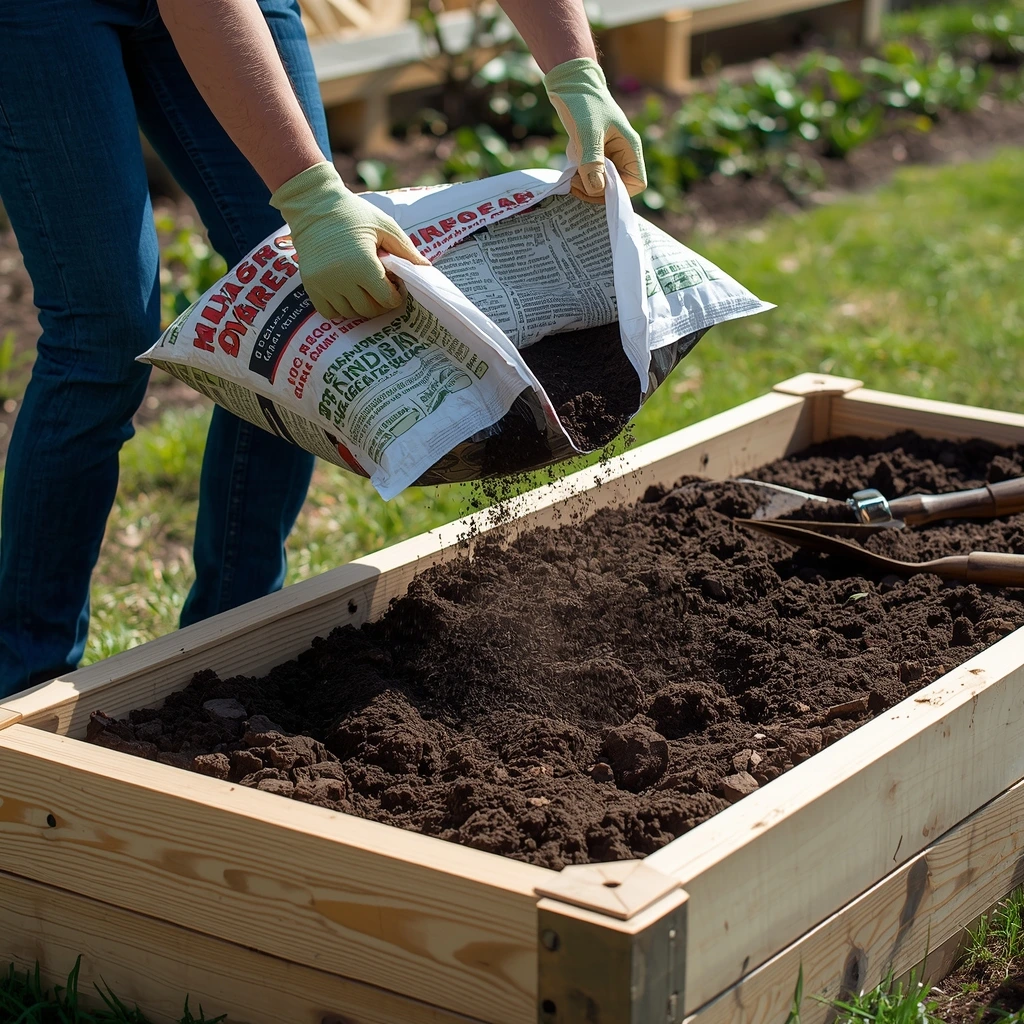
Best Soil Depth for Raised Beds
The depth of your raised bed matters a lot. It determines which plants can grow well and how deep the roots can go. Here is a simple guide:
| Depth | Best For | Notes |
| 6 inches | Lettuce, spinach, herbs, radishes, shallow greens | Minimum depth for most edible plants |
| 8 inches | Onions, beans, peas, chard, kale, most leafy greens | Good for most vegetables |
| 10 inches | Peppers, beets, fennel, eggplant | Comfortable depth for medium-rooted plants |
| 12 inches | Tomatoes, cucumbers, squash, most standard vegetables | Ideal all-purpose raised bed depth |
| 18 inches | Carrots, parsnips, potatoes, deep-rooted vegetables | Best for root vegetables |
For most home gardeners, 12 inches is the sweet spot. It works for almost every vegetable. If you mostly grow leafy greens and herbs, 6 to 8 inches is plenty. If you want to grow carrots or parsnips, go deeper — at least 18 inches.
Always consider the plant’s root system. Shallow roots stress out in thin soil. Deep roots thrive when they have room to grow.
If you want to calculate grass seed quantity then you can use our free grass seed calculator, Click the following link to use.
Grass Seed Calculator
Best Soil Mix for Raised Garden Beds
What you put inside the raised bed matters just as much as how deep it is. Garden soil straight from the ground is usually too dense. It compacts, drains poorly, and limits root growth.
The best raised bed soil mix is light, fluffy, and rich in nutrients. Here is what most experienced gardeners use:
The Classic ‘Mel’s Mix’ (Square Foot Gardening)
- 1/3 vermiculite — improves drainage and aeration
- 1/3 compost — provides nutrients and beneficial microbes
- 1/3 peat moss or coco coir — retains moisture without compacting
A Budget-Friendly Garden Mix
- 50% quality topsoil — gives weight and structure
- 30% compost — adds organic matter and feeds plants
- 20% perlite or coarse sand — improves drainage
Avoid using 100% topsoil. It compacts badly in a raised bed. The soil needs good drainage and air pockets so roots can breathe.
Compost is the most important ingredient. It feeds your plants all season and improves soil texture over time. Aim for at least 30% compost in your mix.
If you are buying pre made soil, look for bags labeled ‘raised bed mix’ or ‘garden mix.’ These are usually a blend of topsoil, compost, and other organic matter.
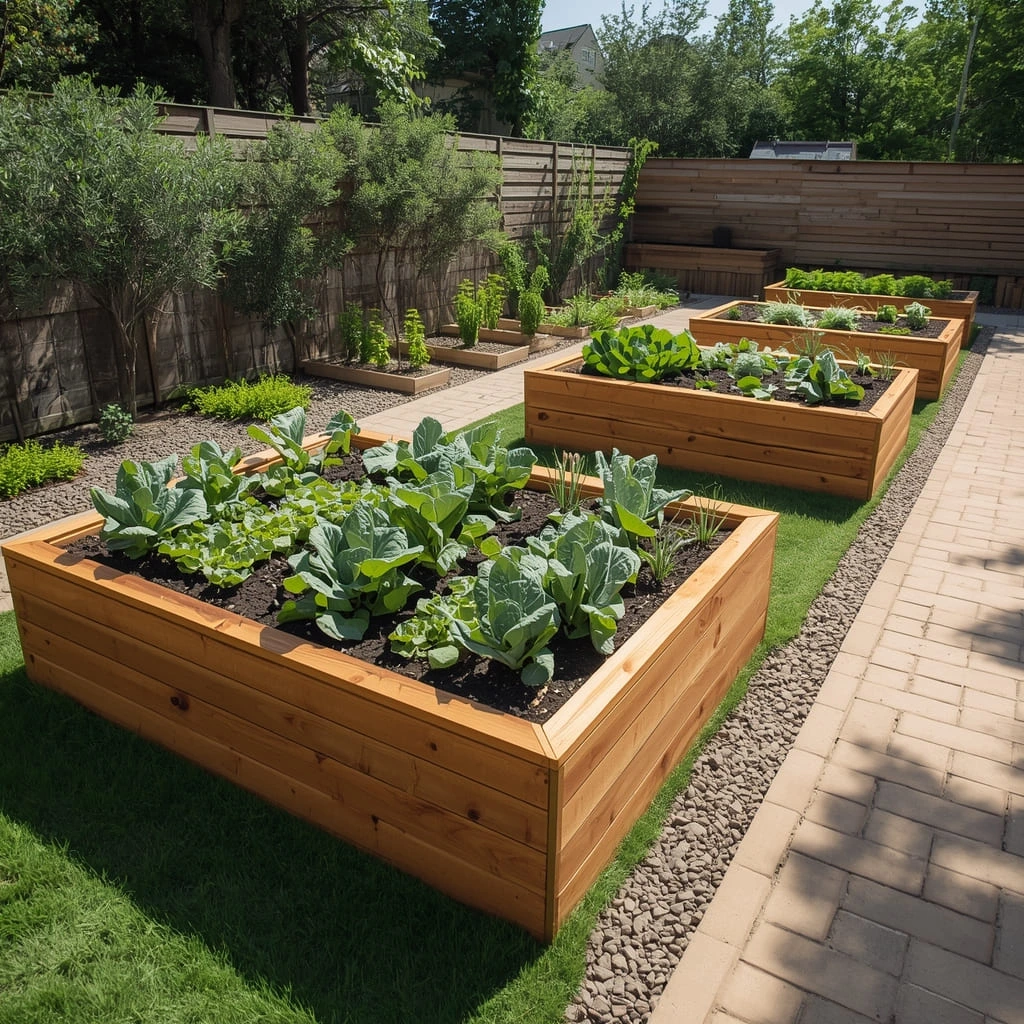
How Many Bags of Soil for a Raised Bed?
Once you know how many cubic feet of soil you need, the next step is figuring out how many bags to buy. Bags come in different sizes, so it helps to know how they compare.
| Bag Size | Volume | Bags Needed for 4×8 Bed at 12 inches |
| Small bag | 0.75 cu ft | ~43 bags |
| Standard bag | 1 cu ft | ~32 bags |
| Large bag | 1.5 cu ft | ~21 bags |
| Extra large | 2 cu ft | ~16 bags |
| 40L bag | ~1.4 cu ft | ~23 bags |
| 50L bag | ~1.75 cu ft | ~18 bags |
As you can see, using 0.75 cu ft bags is the most expensive and most exhausting option. Bigger bags mean fewer trips and better value per cubic foot.
For large raised beds, seriously consider buying bulk soil by the cubic yard from a local landscaping company. One cubic yard equals 27 cubic feet. That covers most standard beds in one delivery.
The raised bed soil calculator on this page tells you the bag count automatically. You just pick your bag size and it shows you the number.
Raised Bed Soil Calculator Saves Money
This might sound like a small thing. But the difference between guessing and calculating is real in both time and dollars.
Here is how a raised bed soil calculator saves you money:
- Avoid over buying. You only buy what you actually need. Extra bags of soil sitting in the garage are wasted money.
- Avoid under buying. Making two trips to the store costs time and often extra delivery fees.
- Better harvest. The right amount of soil at the right depth means healthier roots and bigger yields.
- Less guesswork at the store. You walk in knowing exactly what to buy. No second-guessing.
- Faster shopping. You can even order soil online in the right quantities before it arrives.
Over a single growing season, getting this right could easily save you $30 to $100 or more depending on how many beds you have. Over several years, it adds up to a lot.
The raised bed soil calculator also helps when you are expanding your garden. Adding two new beds? Just plug in the numbers for each and get a combined total. Simple.
Common Raised Bed Soil Mistakes
These mistakes happen all the time especially with beginners. Learning to avoid them early makes a big difference in your harvest.
1. Filling the Bed Too Shallow
Many first time gardeners fill beds to only 4 or 5 inches. That is not enough for most vegetables. Roots hit the bottom and stop growing. Plants stress out. Yields drop. Fill to at least 8 to 12 inches for best results.
2. Using Cheap or Poor Quality Soil
Dirt is not all the same. Cheap topsoil from the garden center might be mostly clay. It compacts fast and starves your plants. Spend a little more on a proper raised bed mix or make your own with compost, peat, and vermiculite.
3. Skipping Compost Entirely
Compost is the engine of a healthy raised bed. Without it, your plants run out of nutrients by midsummer. Always mix in at least 25 to 30% compost when filling a new bed.
4. Overfilling the Bed
Some gardeners pile soil all the way to the top edge. Then the first rain washes everything out. Leave 1 to 2 inches below the rim. This keeps soil in the bed and gives you room to add mulch later.
5. Not Accounting for Soil Settling
Fresh soil always settles after a few watering. If you fill your bed exactly to the right volume and then water it, the soil level drops. Add 10 to15% extra soil to compensate. The raised bed soil calculator has an option for this.
Bulk Soil vs Bagged Soil – Which Is Better?
Both options work. The right choice depends on how many beds you have and where you live.
Bagged Soil
Bagged soil is convenient. You can buy it at any garden center. It is easier to handle in small amounts. It works well if you only have one or two raised beds.
The downside: it costs more per cubic foot than bulk soil. And for larger projects, you end up hauling a lot of heavy bags.
Bulk Soil (By the Cubic Yard)
Bulk soil is sold by the cubic yard at local landscaping and mulch companies. It is significantly cheaper per cubic foot. For three or more raised beds, or any bed larger than 4×8, bulk soil usually wins on price.
The downside: you need a way to transport it (a truck or delivery), and you usually need to buy a minimum of one cubic yard.
Which Should You Choose?
- 1 or 2 small beds → buy bags from a garden center
- 3+ beds or beds over 32 sq ft → order bulk soil by the cubic yard
- Mixing your own blend → buy components separately in bags
The raised bed soil calculator works for both options. It tells you the cubic feet needed, and you can convert to cubic yards easily: divide by 27.
Tips for Better Raised Bed Soil Every Year
Great raised bed soil does not happen once and stay perfect forever. You need to refresh raised bed soil calculator each season. Here are easy, practical tips:
- Add 2–3 inches of fresh compost each spring. This replenishes nutrients lost over the growing season.
- Top-dress with mulch. A layer of straw or wood chips on top keeps moisture in and weeds out.
- Avoid stepping in the bed. Compacted soil from foot traffic kills drainage and chokes roots. Keep your beds narrow enough to reach the center from the sides.
- Plant cover crops in the off-season. Clover, mustard, and winter rye add organic matter back to the soil when tilled in.
- Do a soil test every 2–3 years. A basic soil test from your local extension office tells you if pH or nutrients are off.
- Rotate your crops. Growing the same plant family in the same spot year after year depletes specific nutrients and invites disease. Move things around each season.
- Water deeply and less often. This trains roots to grow deep, where moisture stays longer.
Healthy soil is a living system. Feed it, protect it, and it will grow bigger, better vegetables year after year.
Why Gardeners Use Our Raised Bed Soil Calculator
There are lots of calculators out there. Why our raised bed soil calculator is best. Here is what makes this one different:
- Our raised bed soil calculator is fast. Results appear instantly. No page reloads, no waiting.
- It handles multiple beds. Add as many beds as you have and get a combined total.
- It shows bag counts. Choose your preferred bag size and see exactly how many to buy.
- It accounts for settling. Built-in option to add extra soil for the natural shrinkage that happens after watering.
- It works for all shapes. Rectangular, square, L-shaped, or round beds — the calculator handles them all.
- Raised bed soil calculator is free. No signup, no email required. Just open the page and calculate.
Thousands of gardeners use it every planting season to plan new beds and refresh existing ones. Once you use it, you will never buy soil by guessing again.
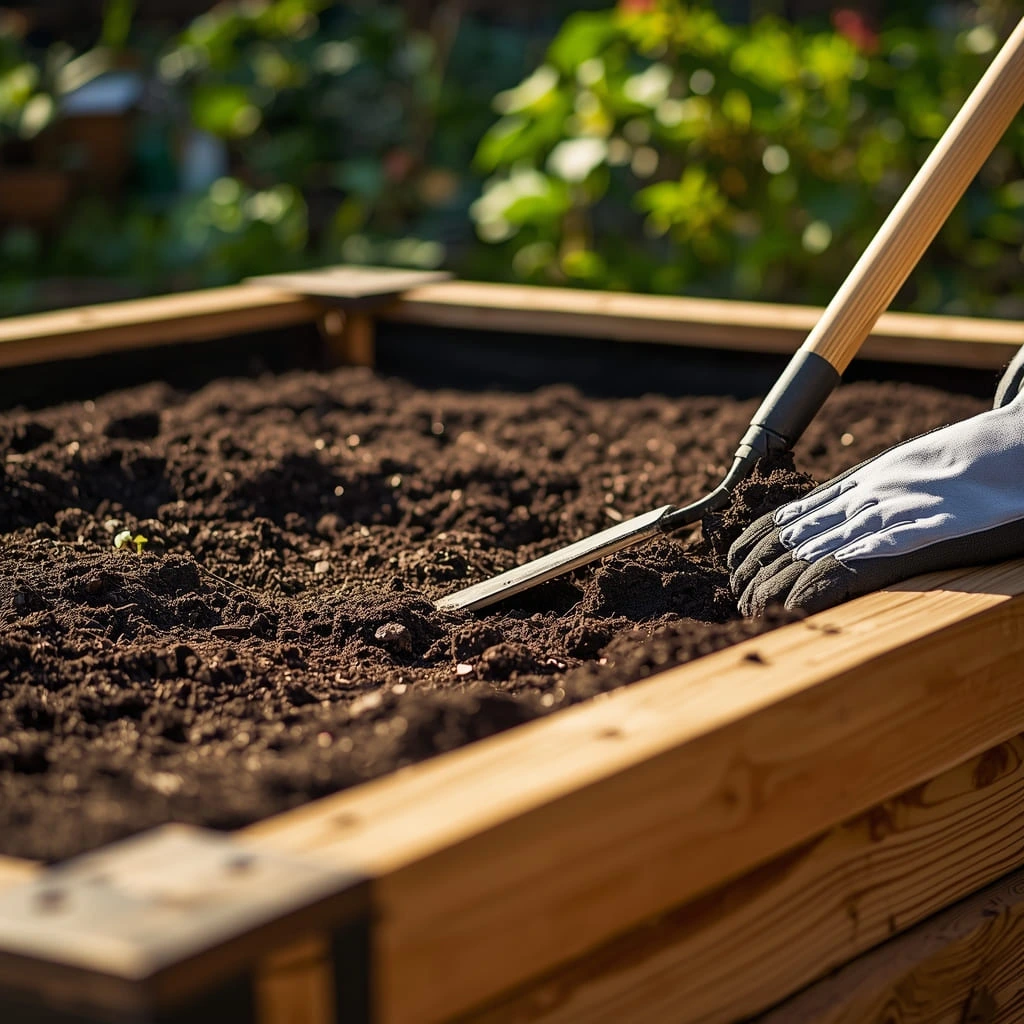
Final Thoughts: Use the Calculator Before You Buy
Filling a raised bed is not complicated but getting the numbers wrong costs you real money and effort. The Raised Bed Soil Calculator on this page takes that uncertainty away completely.
Whether you are setting up your first 4×4 bed or building a full backyard garden with six raised beds, this tool gives you the exact number you need. No math, no guessing, no wasted bags sitting in the garage.
Just punch in your bed size and depth, choose your bag type, and you are done. You will walk into the garden store knowing exactly what to grab. Or order online with total confidence. For trusted guidance on building healthy raised bed soil, you can explore the raised bed gardening resources from the University of Minnesota Extension, which offer research-based tips for home gardeners.
Start with the raised bed soil calculator. Then go fill those beds. Your plants will thank you.
Frequently Asked Questions
A 4×8 raised bed filled to 12 inches deep needs about 32 cubic feet of soil. That is roughly 16 bags of 2 cu ft soil, or 22 bags of 1.5 cu ft soil. Use the raised bed soil calculator above for different depths.
Most vegetables grow best in 10 to 12 inches of soil. Shallow-rooted crops like lettuce and herbs can get by with 6 inches. Root vegetables like carrots and parsnips need 18 inches or more.
Yes! This technique is called hugelkultur. You place branches, logs, or wood chunks at the bottom and fill soil on top. As the wood breaks down, it adds nutrients and helps retain moisture. This can cut your soil costs significantly for deep beds.
The best soil for raised bed vegetables is a blend of quality topsoil, aged compost, and a drainage-improving material like perlite, coco coir, or coarse sand. Aim for a loose, fluffy texture that holds moisture without becoming waterlogged.
It depends on the bed size and bag size. For a 4×8 bed at 12 inches deep (32 cubic feet), you need about 16 bags of 2 cu ft soil, or 43 bags of 0.75 cu ft soil. Our raised bed soil calculator shows the exact count based on your bag size choice.
Six inches works for lettuce, spinach, radishes, and herbs. Most other vegetables prefer 10 to 12 inches. If you are growing tomatoes, peppers, or root crops, 6 inches will limit your harvest significantly.
It depends on your native soil quality. If your local soil is sandy, rocky, clay-heavy, or compacted, avoid using it in a raised bed. Most native soils do not drain well when confined in a box. Mix it with compost and other amendments at most at a 50/50 ratio, or skip it and use a proper raised bed mix.